

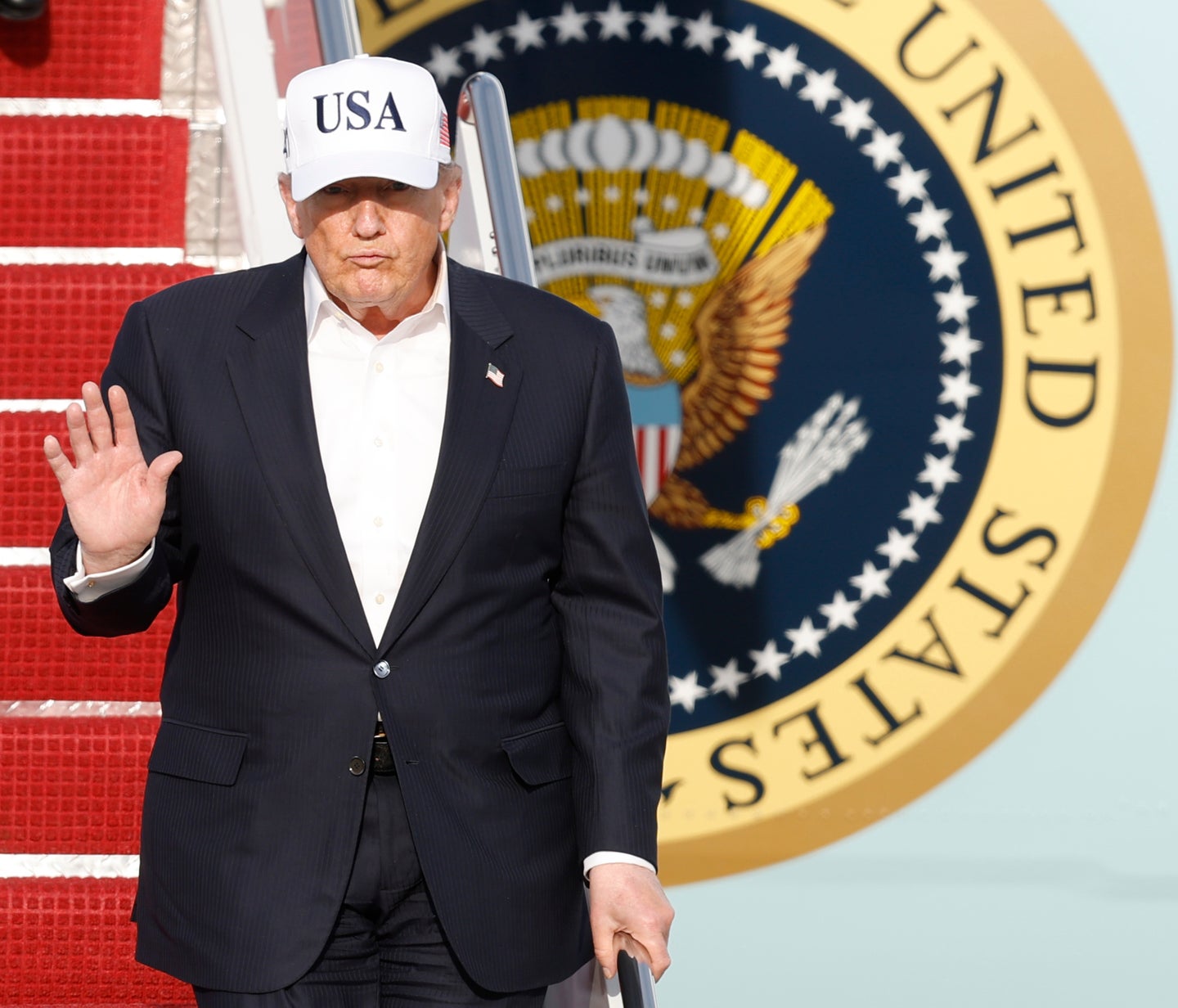
President Donald Trump has asserted that he does not require congressional authorization to continue military actions against Iran, claiming that previous U.S. commanders-in-chief similarly bypassed such approvals. As a crucial two-month deadline for the conflict passed on Friday, Trump stated that his predecessors viewed Congress’s authority to restrict a president’s war powers as “totally unconstitutional.”
“So many presidents, as you know, have gone and exceeded it,” Trump remarked when questioned about seeking congressional authorization. He added, “It’s never been used. It’s never been adhered to. Nobody’s ever asked for it before.”
However, the historical record presents a more nuanced picture. The 1973 War Powers Resolution mandates that Trump “terminate any use of United States Armed Forces” in Iran 60 days after informing Congress of the conflict’s commencement, unless lawmakers vote to extend it. This legislation was enacted to curb then-President Richard Nixon’s ability to prolong the Vietnam War.
Friday marked 60 days since February 28, when the administration notified Congress of the strikes against Tehran. Yet, Trump and Defence Secretary Pete Hegseth argue that the deadline paused with the implementation of the current ceasefire, sparking debate over whether a truce counts towards the 60-day limit.
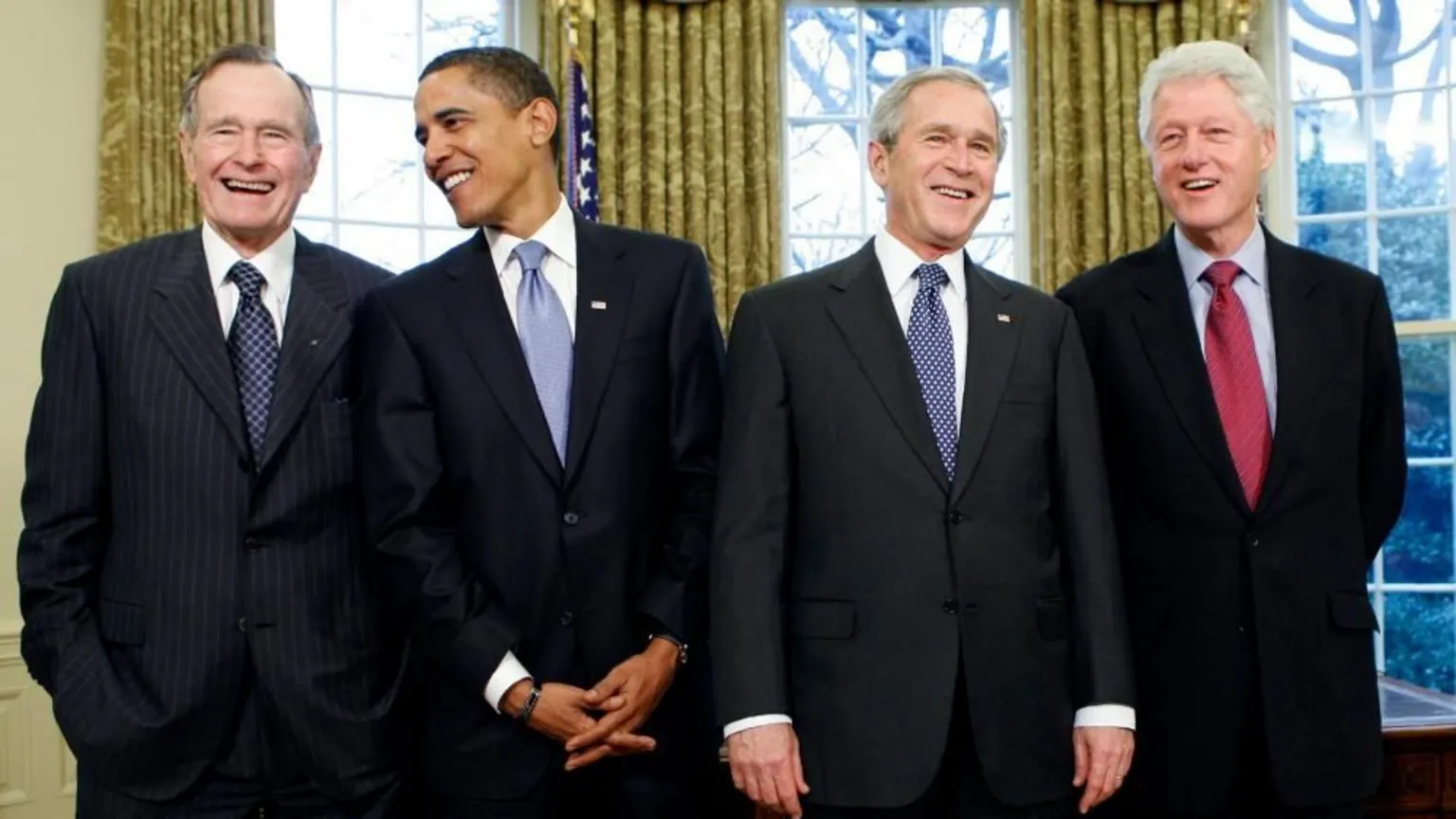
Despite Trump’s assertions, some of his recent predecessors did seek to comply with the war powers authority vested in Congress. In 1983, President Ronald Reagan secured congressional approval to deploy U.S. Marines to Lebanon within the 60-day notification period, ensuring legal compliance for the military operation. President George H.W. Bush sought congressional authorization for the 1991 Gulf War before launching Operation Desert Storm, even while maintaining that legislative approval wasn’t strictly necessary. His son, George W. Bush, obtained congressional approval for his campaigns in Afghanistan (2001) and Iraq (2003).
Conversely, Trump is correct that other presidents have circumvented the War Powers Law. President Bill Clinton’s 1999 bombing campaign in Kosovo extended beyond the 60-day limit without congressional authorization, lasting 78 days. President Barack Obama contended that the 2011 U.S. military intervention in Libya did not constitute “hostilities” under the Nixon-era law, continuing the operation past the 60-day window without congressional approval. This NATO-led intervention ultimately spanned over seven months.
David Schultz, a professor of political science and legal studies at Hamline University, commented to the BBC: “Just because other presidents haven’t invoked it [the 1973 law] doesn’t mean that what Trump is doing here is correct.” He further explained, “Here, Trump has basically committed us to combat without any support from Congress. And if we go back to the founding of this country, go back 1776, 1787, one of the fears that our framers had was strong executives committing us to wars without the support of the legislative branch.”
Trump frequently highlights that the Iran hostilities have been brief compared to other conflicts, such as Vietnam (19 years), Iraq (nearly nine years), World War Two (six years), and Korea (three years). However, with Washington and Tehran still at an impasse over control of the Strait of Hormuz and Iran’s nuclear program, a clear path for Trump to exit the conflict remains elusive. As Obama noted in 2014 regarding the U.S. war in Afghanistan: “It’s harder to end wars than it is to begin them.”
#WarPowersAct #Trump #IranConflict #CongressionalAuthority #USPolitics #ForeignPolicy #PresidentialPowers #MilitaryAction #MiddleEast #USCongress





Leave a Reply