

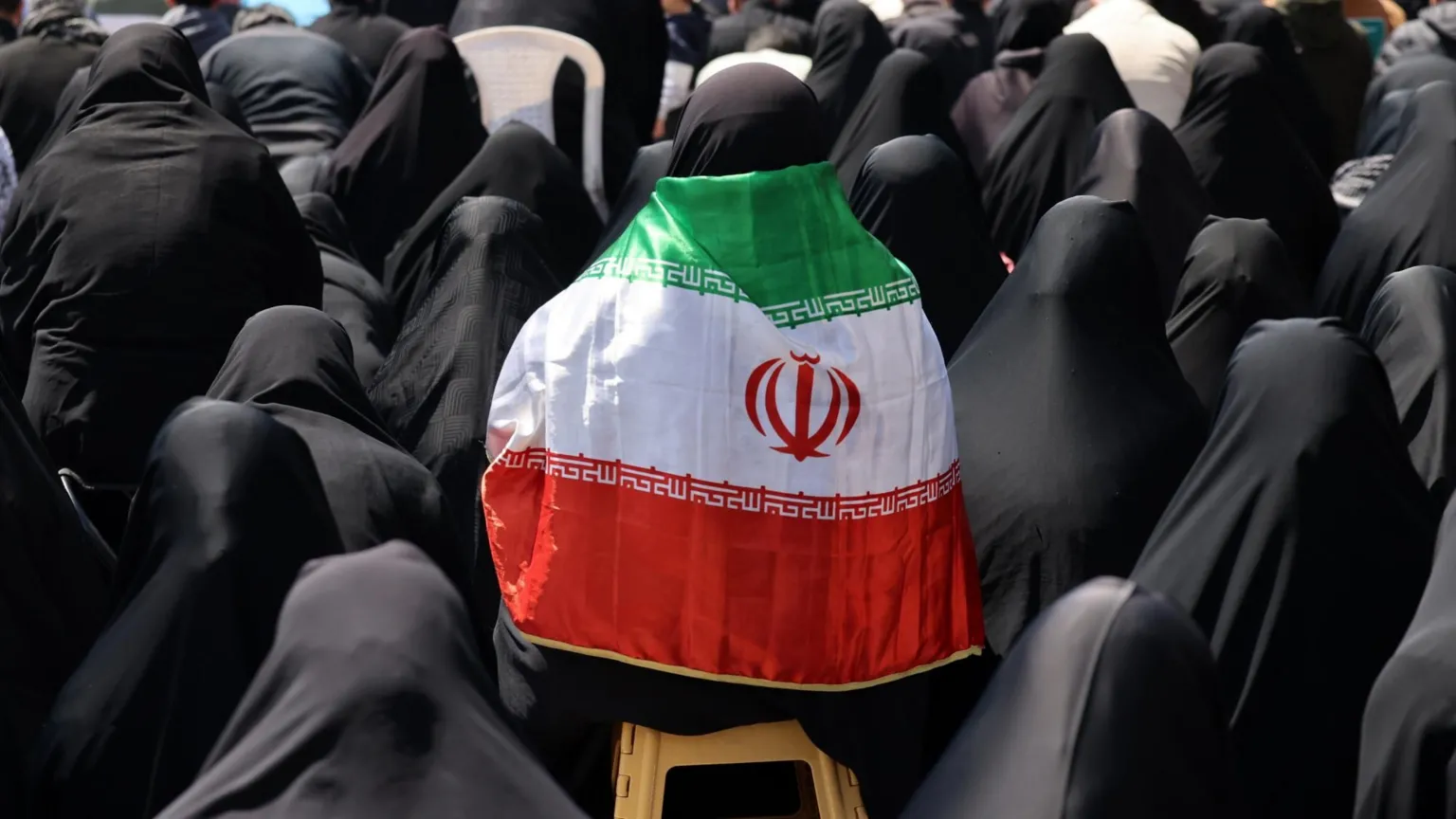
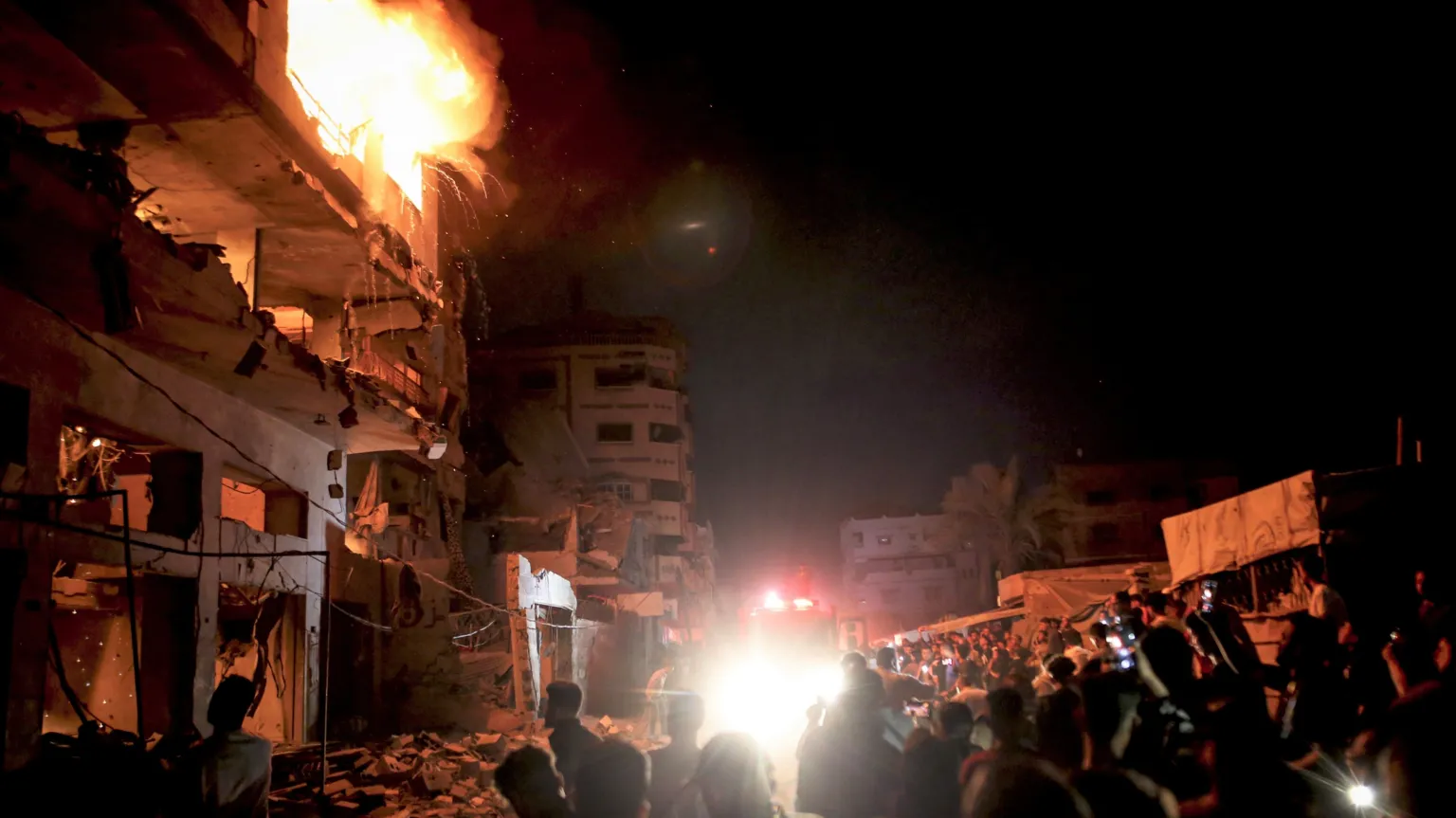
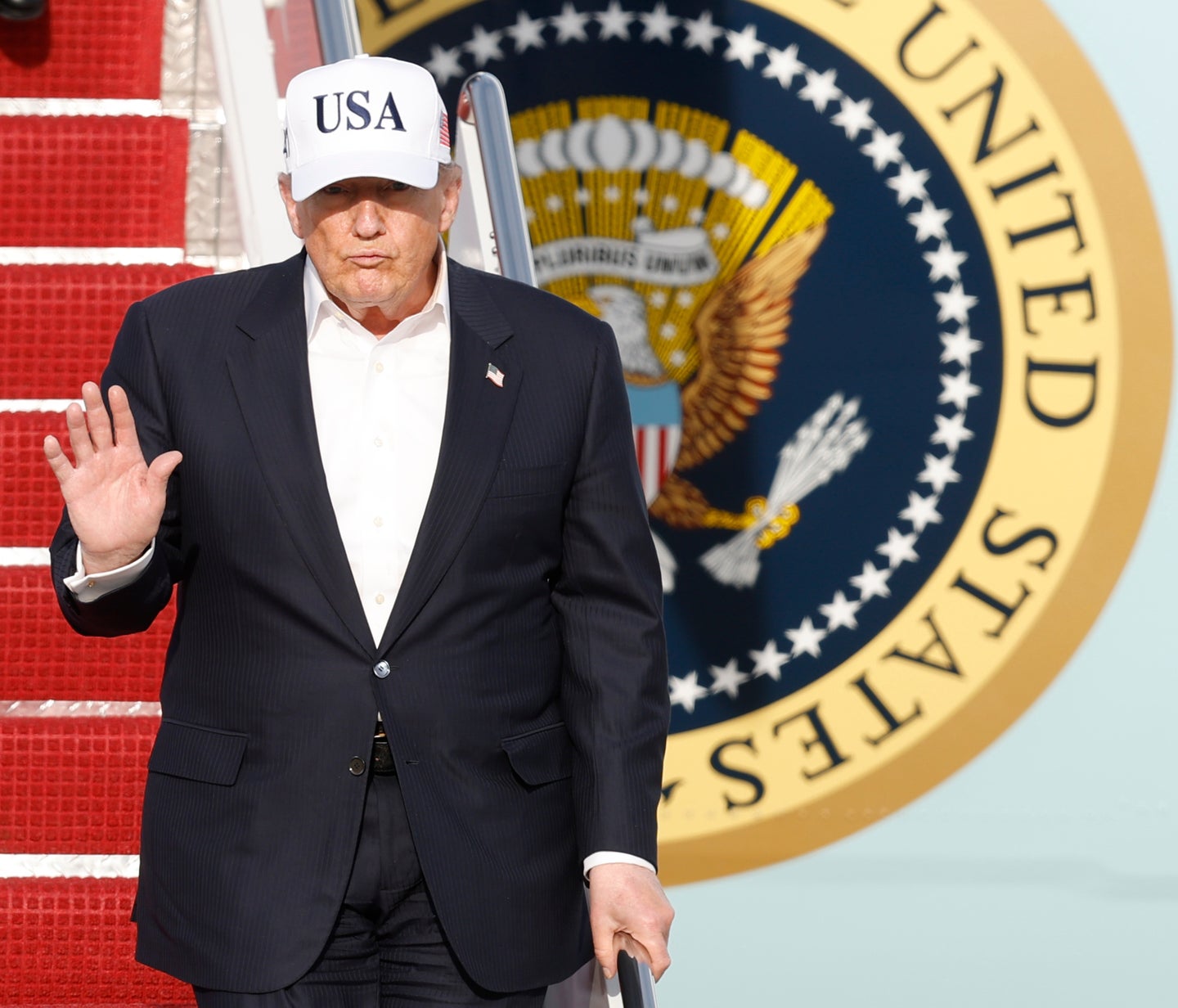
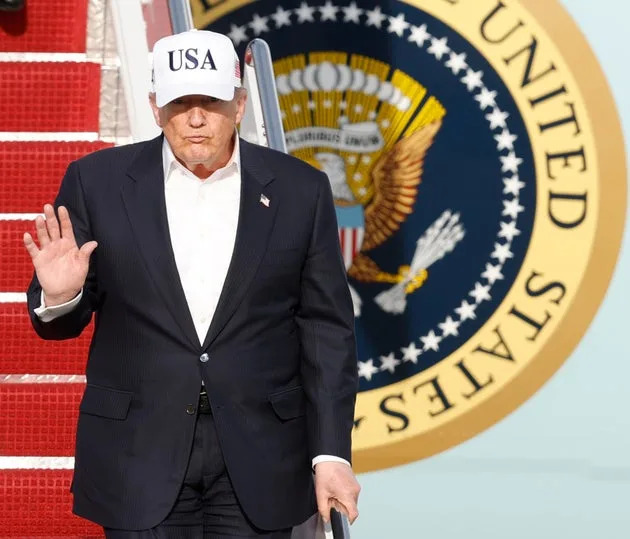
Just days ago, hardliners within Iran’s Islamic Republic, governing Tehran, erected a massive banner at a major intersection, declaring, “The Strait of Hormuz will remain closed.” This was interpreted as a directive from Iran’s new Supreme Leader, Mojtaba Khamenei, who has been absent from public view since his appointment last month. However, this banner may soon be removed following Iran’s agreement to a two-week ceasefire and the reopening of the Strait, a request made by Pakistan, which has been mediating between the US and Iran. This decision comes despite Iran’s previous insistence on not agreeing to a temporary ceasefire, instead seeking a permanent end to the US and Israeli conflict with Iran. The hardliners have expressed their displeasure. They had been emboldened by Iran’s capacity to close the Strait and disrupt Gulf nations with missiles and drones, arguing that Iran should have continued the war, given its perceived advantage against the US and Israel. Reports from Tehran indicate that hardliners burned US and Israeli flags after the ceasefire announcement on Tuesday. Members of the Basij volunteer militia, under the control of the Islamic Revolutionary Guard Corps (IRGC), marched to the foreign ministry overnight to protest the decision. Hours later, the editor of the hardline newspaper Kayhan criticized the ceasefire agreement as “a gift to the enemy,” enabling them to resupply and prolong the conflict. The Supreme National Security Council (SNSC), Iran’s highest decision-making body under the supreme leader and led by moderate President Masoud Pezeshkian, made the decision to accept the request from Pakistani Prime Minister Shehbaz Sharif and his army chief. The SNSC announced that safe passage through the Strait of Hormuz would be permitted for two weeks in exchange for a ceasefire from the US and Israel, while Washington and Tehran engaged in discussions. China reportedly played a significant role in persuading its close ally, Iran, to agree to Pakistan’s proposal. Iran has endured substantial destruction during the 40-day conflict, with human rights activists reporting over 3,000 fatalities. US President Donald Trump had also threatened further widespread death and destruction. Even among hardliners, it became apparent that a resolution was necessary before Iran’s critical infrastructure faced more damage. Just hours before the ceasefire announcement, hardline Chief Justice Gholamhossein Mohseni Ejei stated on Iranian state TV that Iran sought an end to the war while maintaining its upper hand, echoing sentiments expressed by former moderate foreign minister Mohammad Javad Zarif in a recent Foreign Affairs article. The SNSC has framed the ceasefire as a victory for Iran, urging regime supporters to maintain unity. According to Iranian media, Parliament Speaker Mohammad Bagher Ghalibaf is set to lead the Iranian delegation in talks with the US in Islamabad, engaging directly with US Vice President JD Vance. This marks another deviation from hardline policy, as direct negotiations with the US were previously prohibited by the former Supreme Leader, Ayatollah Ali Khamenei, who was killed in an Israeli strike at the war’s outset. This direct contact appears to have been sanctioned by the new leader, his son. Despite the ceasefire, a lasting peace between Iran and the US remains distant. The conflict could resume if talks fail, a prospect some Iranians who supported the war, viewing it as a means to dismantle what they consider a corrupt regime, might hope for. For many others, the ceasefire offers much-needed respite from the ongoing death and destruction. #IranCeasefire #USIranTalks #StraitOfHormuz #IranianPolitics #MiddleEastPeace #HardlinersVsModerates #PakistanMediation #Geopolitics #IranCrisis #InternationalRelations
Why ceasefire deal with US has unsettled Iran’s hardliners


Leave a Reply