

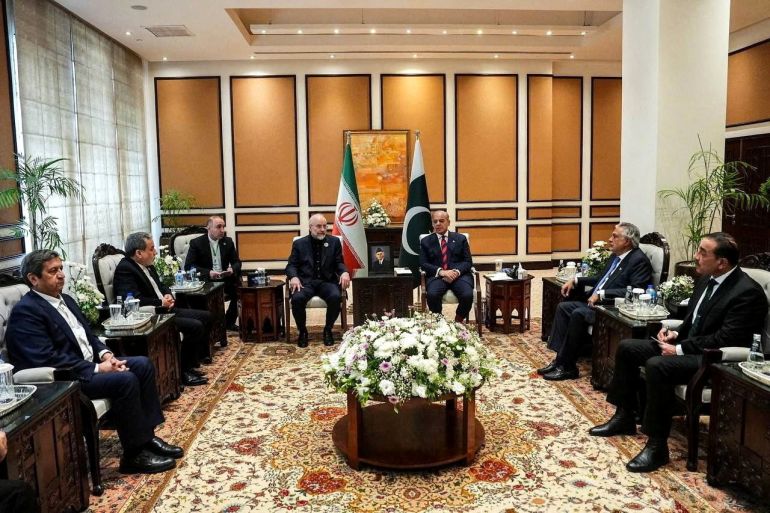
Pakistani Prime Minister Shehbaz Sharif announced his upcoming visits to Saudi Arabia and Turkiye this week, as his efforts to facilitate a second round of peace talks between the United States and Iran appear to be gaining significant momentum.
President Asif Ali Zardari confirmed on Tuesday that Sharif had briefed him on his diplomatic push to discuss the matter with fellow mediators and secure further negotiations. This initiative coincides with a crucial two-week ceasefire that has temporarily halted US and Israeli strikes on Iran.
Zardari urged the prime minister and other officials to maintain active engagement with the US, Iran, and other key powers to sustain the fragile peace process.
Following unconfirmed reports on Monday about backchannel negotiations for new peace talks, comments from US President Donald Trump and the United Nations on Tuesday indicated growing support for Sharif’s initiative.
This renewed optimism emerges despite the recent conclusion of 21 hours of face-to-face discussions between US Vice President JD Vance and Iranian parliament Speaker Mohammad Bagher Ghalibaf on Sunday, which ended without concrete results.
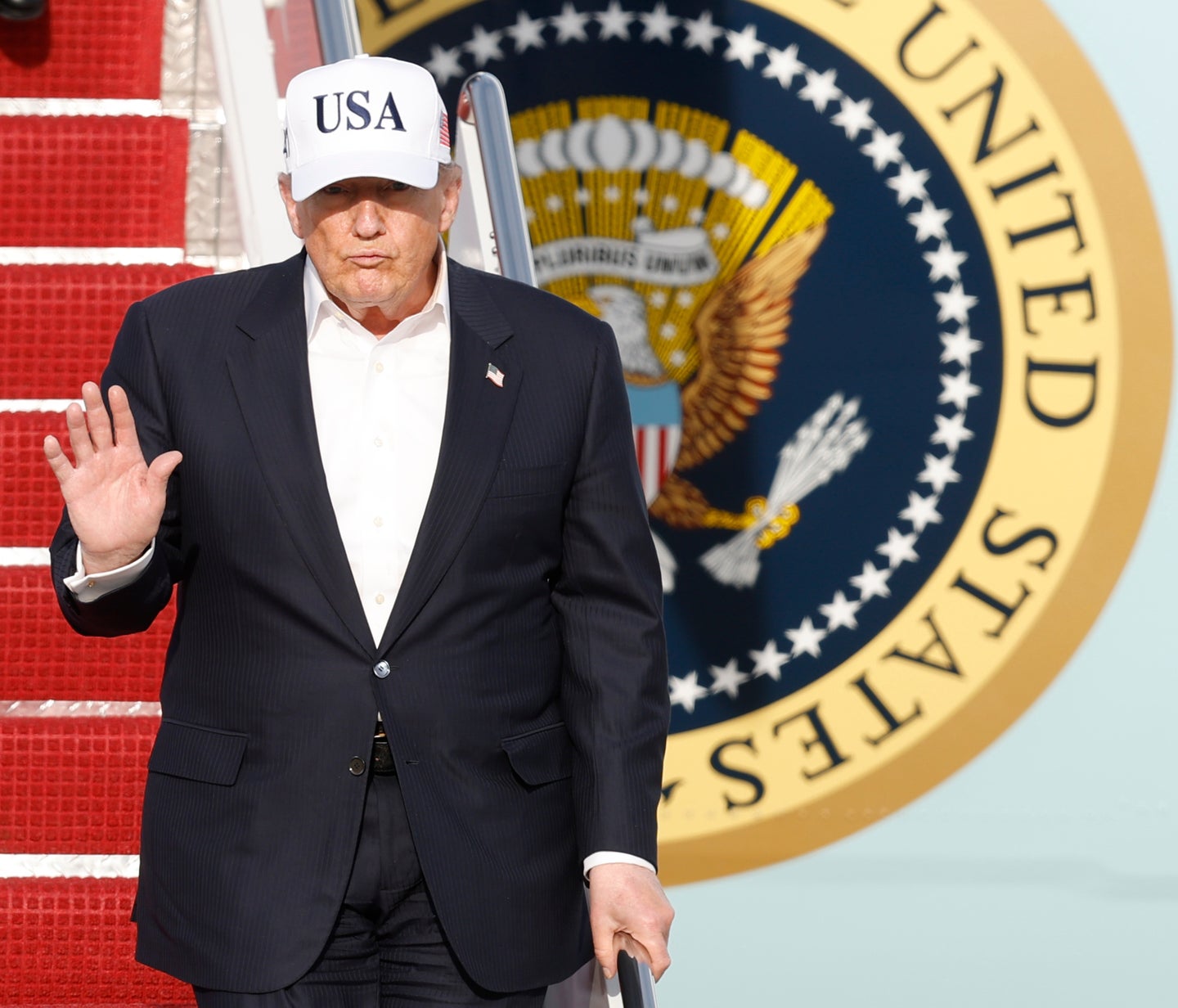
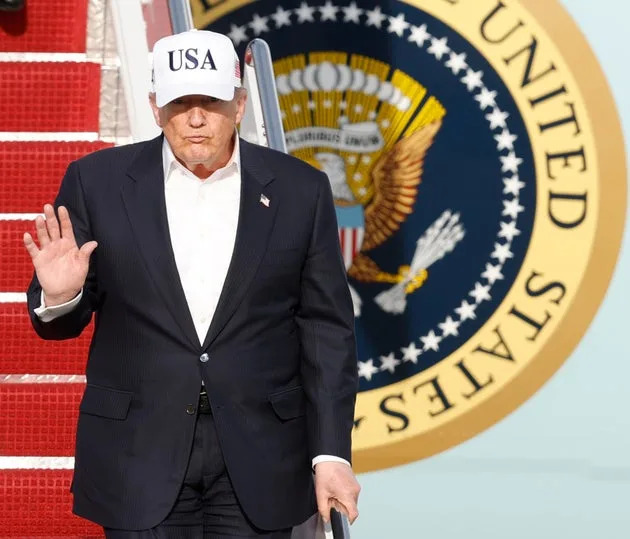
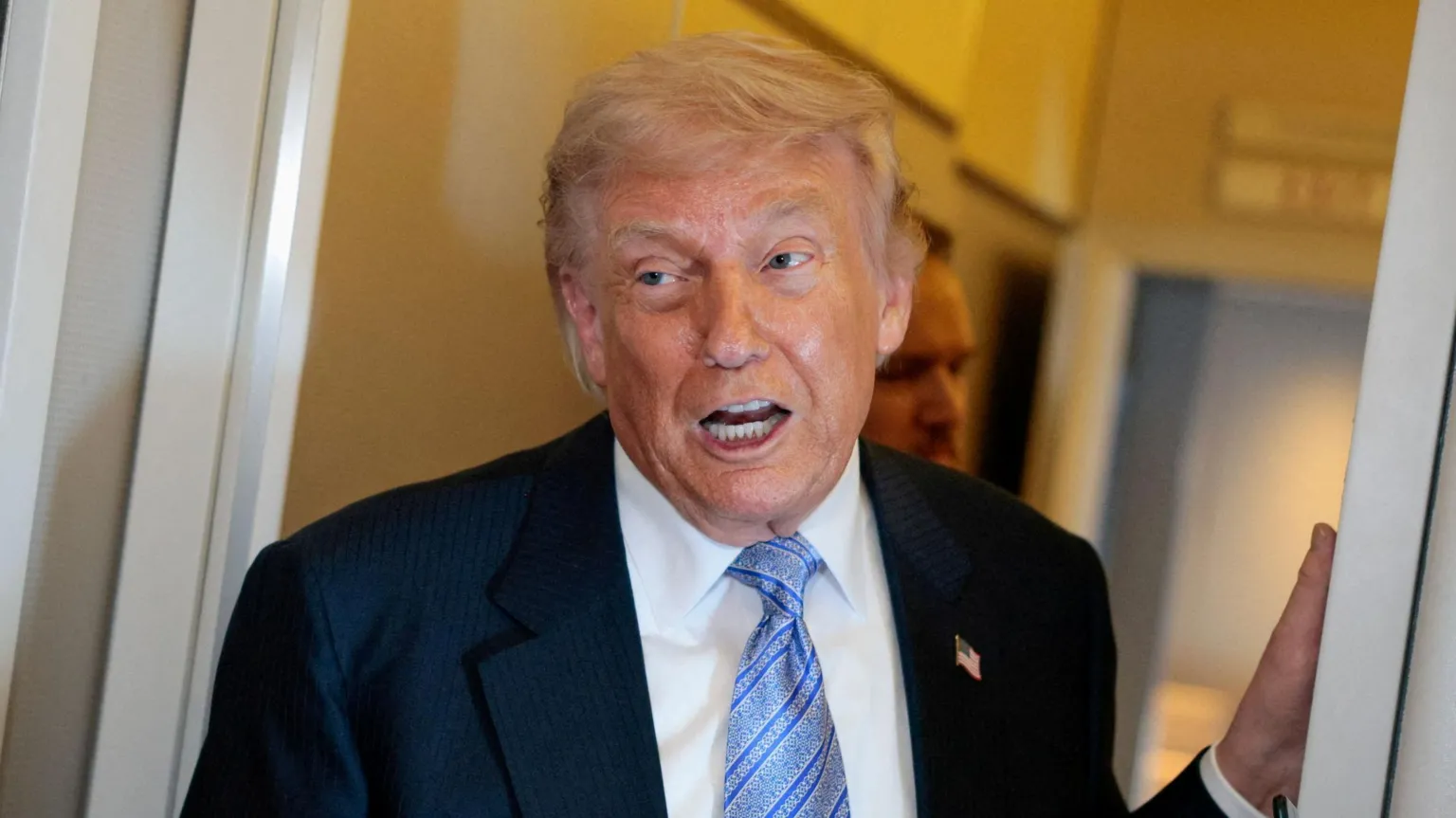
Trump, in an interview with the New York Post published Tuesday, suggested that talks could resume in Pakistan within the next two days.
The newspaper initially reported Trump stating the talks would be held in Europe but later clarified that he called back to say it was “more likely” they would return to Islamabad, commending Pakistan’s army chief Asim Munir for “doing a great job.”
The Associated Press reported on Tuesday that a diplomat from one of the mediating countries confirmed an agreement between Tehran and Washington for more talks, though the exact location, timing, and composition of delegations remain undecided.
Islamabad and Geneva are reportedly being considered as potential host cities for these crucial discussions.
UN Secretary-General Antonio Guterres, after meeting with Pakistan’s deputy prime minister on Tuesday, stated it was “highly probable” that ceasefire talks would restart.
Any return to the negotiating table would undoubtedly test the diplomatic skills of Sharif and other mediators involved.
During the delicate two-week ceasefire, the US military has imposed a naval blockade on Iran’s ports and coastal areas in response to Iran’s actions in the Strait of Hormuz, which have caused global oil prices to surge.
Guterres remarked, “I think it would be unrealistic to expect… such a complex problem, long-lasting problem, could be resolved in the first session of a negotiation. So we need negotiations to go on, and we need a ceasefire to persist as negotiations go on.”
Reporting from Islamabad, Al Jazeera’s Kamal Hyder emphasized, “The most important thing we have to take into consideration is the fact that the ceasefire is holding.”
He added another crucial point: “now the US and Iran are acknowledging that the lines of communication are open.”
Iran’s Tasnim news agency reported on Tuesday that Foreign Minister Abbas Araghchi and his Turkish counterpart, Hakan Fidan, had discussed talks between Tehran and Washington during a phone call.
#PakistanDiplomacy #USIranTalks #PeaceProcess #ShehbazSharif #MiddleEastPeace #Ceasefire #InternationalRelations #RiyadhAnkaraVisits #DiplomaticEfforts #GlobalPolitics




Leave a Reply