

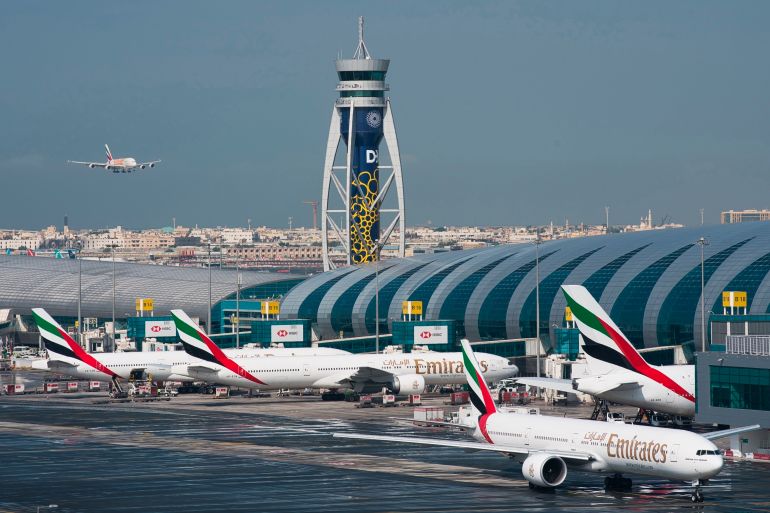
Kuala Lumpur, Malaysia – The global aviation industry is currently navigating turbulent skies, marked by significant fare increases and a reduction of millions of available seats. This challenging environment is largely attributed to a sharp surge in jet fuel costs, fueled by escalating geopolitical tensions in the Middle East.
Travelers Adjust to New Realities
The impact is palpable for travelers worldwide. Theodore, a retired tech entrepreneur from Malaysia, typically takes his time to find the best deals for his family’s annual holidays to South Korea and Japan. However, this year, the 50-year-old father of three moved swiftly to secure his travel plans for August and September. Amidst a wave of flight cancellations globally due to rising fuel prices, Theodore opted for full-service carriers like Korean Air and Malaysia Airlines over his usual budget airline choice, prioritizing reliability over cost savings.
“I saw prices going up, saw budget airlines cancelling flights often, and wanted to avoid any friction later on,” Theodore shared, emphasizing a desire to reduce potential travel disruptions. He added, “It’s a life quality upgrade to reduce friction and mental cycles on issues like this.”
Soaring Fuel Costs and Industry Responses
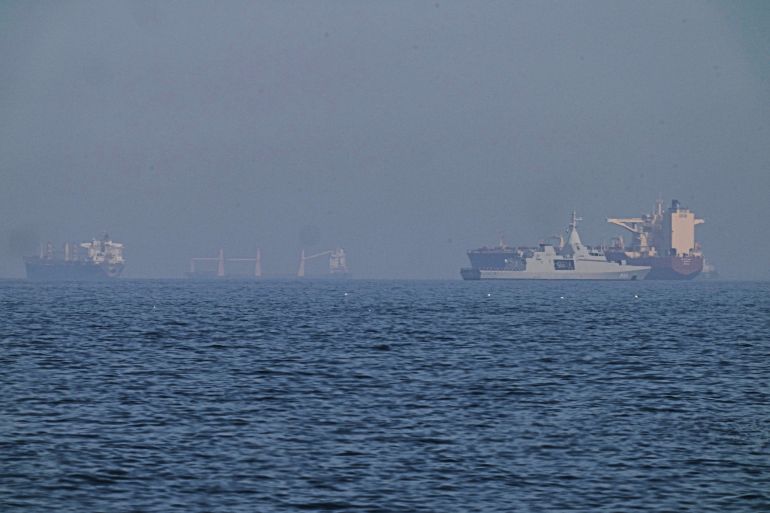
The core of the issue lies in the dramatic increase in jet fuel prices, which have surged by over 80 percent since late February. This rise is a direct consequence of elevated crude oil prices, exacerbated by ongoing geopolitical developments in the Middle East, including the situation surrounding the Strait of Hormuz. Airlines have responded by both hiking fares and significantly cutting their flight schedules.
In a stark illustration of the crisis, US-based budget carrier Spirit Airlines announced its permanent cessation of operations, a move widely linked to unsustainable fuel costs.
Millions of Seats Cut Globally
According to aviation analytics firm Cirium, airlines have collectively eliminated 9.3 million seats for the period between June 1 and September 30 across major markets including the US, China, Japan, Australia, and much of Europe. The Middle East has seen the most pronounced reductions, with aviation still recovering from airspace restrictions implemented in response to regional incidents.
- Qatar Airways alone cut two million seats from June to October.
- UAE-based carriers Emirates and Etihad Airways reduced 700,000 and 450,000 seats, respectively.
Rising Fares and Persistent Demand
For the remaining scheduled flights, ticket prices have seen substantial increases. Kayak data shows the average international airfare from the US reached $1,101 in late April, a 16 percent increase year-on-year. Domestic fares in the US climbed even steeper, up 24 percent.
Despite these price hikes, consumer demand for travel has remained surprisingly resilient. The International Air Transport Association (IATA) reported a global rise in overall demand of more than 2 percent in March, driven by strong domestic markets, even as international passenger demand saw a slight dip.
Henry Harteveldt, president of Atmosphere Research Group, noted that fears of even higher fares have prompted 11 percent of passengers to book flights sooner than expected for upcoming travel.
Regional Insights and Future Outlook
While some routes, particularly between Europe and Asia, have seen prices rise as much as fivefold, experts like Hans Jorgen Elnaes of Winair AS suggest that current fare levels may not be sustainable long-term. He anticipates that Gulf area airlines might soon offer more attractive fares via their hubs.
James Mundy of InsideAsia Tours observed a slight drop in inquiries but confirmed strong demand for Asian destinations, with Japan remaining popular despite higher direct flight costs. South Korea, however, continues to be a fast-growing destination, offering good value.
IATA Director General Willie Walsh warned of potential jet fuel shortages in parts of Europe and Asia in the coming weeks, emphasizing that stabilizing fuel supply and price is crucial for airline resilience as the summer travel season unfolds.
Gary Bowerman, director of Check-in Asia, predicts a “difficult few months” for the global aviation industry. He cautions that even if the Strait of Hormuz situation normalizes, the structural damage to energy infrastructure and supplies from the Gulf will impact the sector for many months, if not longer.
Harteveldt concludes that the outlook is a “mixed picture.” While current jet fuel prices are below the 2007-08 financial crisis peak, a clear resolution to regional hostilities remains elusive. He anticipates that even after hostilities cease, it could take many months, possibly a year, for jet fuel prices to normalize, and airlines are unlikely to lower fares to pre-conflict levels, having developed a keen understanding of travelers’ willingness to pay.
#AirTravel #FuelCosts #AirlineIndustry #TravelUpdate #GlobalEconomy #MiddleEastTensions #FlightCancellations #TravelAdvisory #AviationNews #EconomicImpact






Leave a Reply