


BBC Expands into Central and Eastern Europe
British public service broadcaster BBC has announced its expansion into Central and Eastern Europe, launching new pilot services in Hungary and Romania. According to a statement released by BBC World Service, audiences in both countries will be able to access BBC News content in their own languages as early as June.
‘They will serve people across Hungary, Romania, Moldova and beyond with independent and impartial coverage of key global and regional developments,’ the 22 May statement reads.
The Hungarian-language website and linked social media channels will go live on Tuesday, 16 June, followed by the Romanian service on 23 June. According to the announcement, both editorial teams will use artificial intelligence translation technologies responsibly to ‘bring audiences the BBC’s high-quality global journalism’ in the two countries. To ensure human oversight, journalists will curate all AI-assisted content while also producing original reports and analysis.
BBC News Interim Global Director Fiona Crack highlighted that, in an ‘age of shrinking press freedom, rising disinformation, and global uncertainty, delivering independent and impartial news has never been more important.’ She further described the launch of the two new services as a milestone built on innovation, pointing specifically to the AI-assisted workflow.
BBC and Hungary: A Sixteen-Year Battle over Narrative
While BBC had already made its expansion plans in Hungary and Romania public in August 2025, the timing of the launch is symbolically highly significant, even if only coincidental. It comes only weeks after former Hungarian prime minister Viktor Orbán and Fidesz–KDNP suffered a historic defeat in the 12 April election against now Prime Minister Péter Magyar and the Tisza Party.
Following Tisza’s landslide victory, Hungary is expected to move back closer to the European Union and its traditional Western allies, with the new government’s promises to provide greater freedom for civil society, including both foreign and domestic NGOs and Western media organizations, which Orbán and his governments often described as threats to Hungarian national sovereignty. Arguably no Western outlet had more public feuds with Hungary over the past 16 years than BBC.
BBC became one of Viktor Orbán’s government’s most vocal international critics almost immediately after Fidesz returned to power in 2010, particularly over Hungary’s controversial new media law, which critics argued threatened press freedom and centralized state control over the media. In the years that followed, tensions repeatedly escalated during the migration crisis, disputes surrounding George Soros and the Central European University, debates over Hungary’s child protection law, and broader accusations of democratic backsliding.
The Orbán governments frequently accused BBC of ideological bias, selective reporting, and being part of the Western institutional campaign against Hungary’s ‘illiberal model’ of governance. When BBC first announced the planned expansion in 2025—at a time when the unofficial campaign for the 2026 election was already well underway—government officials accused the broadcaster of interfering in Hungary’s democratic processes by attempting to shape public opinion through anti-Orbán bias.
BBC’s Controversies with Conservative Governments and Accusations of Bias
BBC defended the legitimacy of the expansion by pointing to the successful launch of BBC News Polska last year. According to the 22 May statement, the Polish pilot service currently reaches an average weekly audience of 537,000, with the figure recently rising to an average of 800,000 per week during the current quarter.
Nevertheless, the launch of BBC Polska also sparked outrage among conservatives. Poland, much like Hungary, has had a long and often difficult relationship with the broadcaster. Tensions escalated especially after Law and Justice (PiS) came to power in 2015, when BBC frequently criticized judicial reforms, media policies, and alleged democratic backsliding in Poland.
One of the biggest controversies, however, predated PiS. During the 2012 UEFA European Championship, the BBC Panorama documentary Euro 2012: Stadiums of Hate portrayed Poland as deeply affected by racism and antisemitism, triggering outrage across much of the Polish political spectrum. Further controversies emerged in 2016 after BBC Newsnight questioned whether Poland was being ‘Putinized’ under PiS, systematically portraying Poland as authoritarian and intolerant.
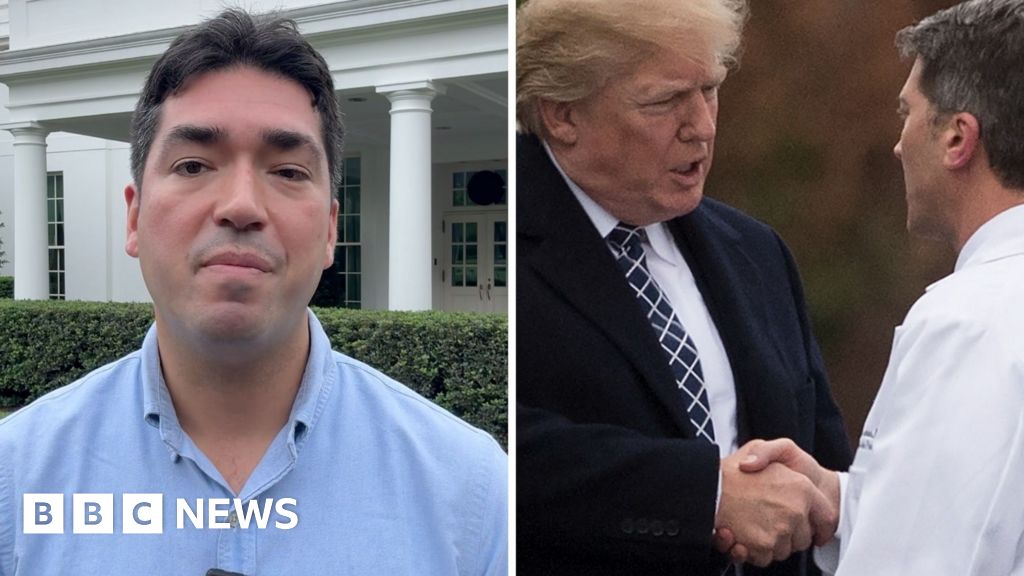
BBC was also among the first broadcasters that US President Donald Trump began labelling as ‘fake news’ during his first presidency in 2016. The broadcaster recently admitted to altering footage of Trump’s Capitol speech on 6 January 2026 in a way that made it appear as though the president had been inciting the crowd to attack the building by combining separate parts of the speech.
BBC publicly apologized following the massive backlash and wave of resignations triggered by the incident, although this did not prevent Trump from filing a $10 billion defamation lawsuit against the company. The lawsuit remains ongoing, with BBC currently attempting to have the case dismissed in a Florida court.
With the Hungarian and Romanian launches, BBC World Service content will now be available in 45 languages worldwide.
‘Why are there still some people…who stand in defence of the BBC? Because, in their view, the BBC…forms part of the institutional network they can appeal to for condemnation and a justification for contempt of Trump even after—despite their insistence that it could not happen—the people of the United States chose to vote him into power again.’
After Pope Francis’ funeral on Saturday, articles and social media posts about Donald Trump wearing a blue suit flooded the internet, accusing the US president of intentionally breaching protocol and disrespecting the late pope by not wearing black. The wave of outrage was triggered by Fortune, which deliberately misled the audience with a manipulated cover photo and a suspicious headline.
#BBCNews #Hungary #Romania #MediaFreedom #Disinformation #AIinJournalism #CentralEurope #WorldService #IndependentJournalism #PressFreedom




Leave a Reply