

Historic Ceasefire Announced Amidst Regional Tensions
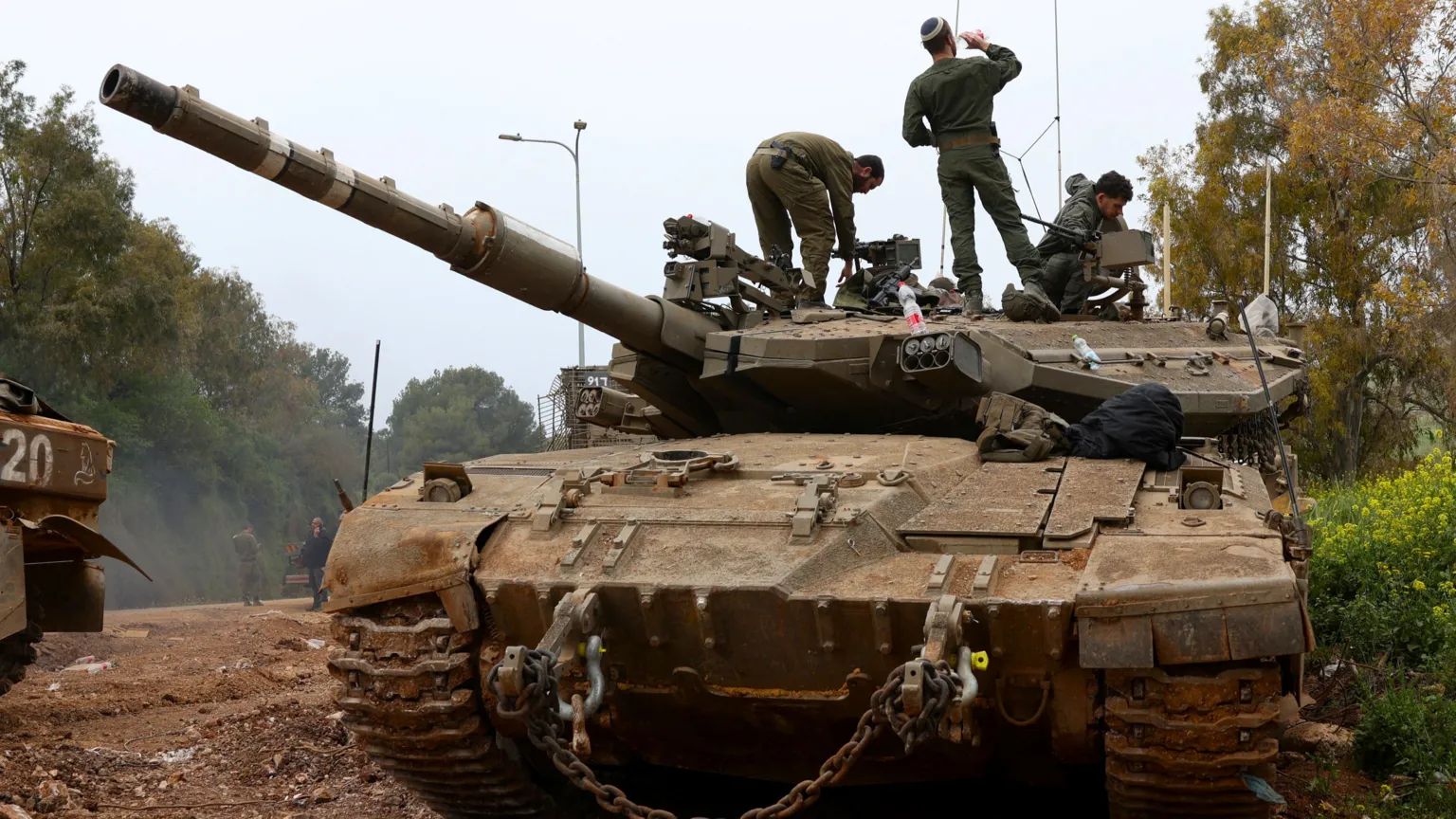
US President Donald Trump has announced that the leaders of Israel and Lebanon have agreed to a 10-day ceasefire, commencing Thursday at 17:00 EST (21:00 GMT; midnight local time). This agreement comes after six weeks of intense fighting between Israel and Hezbollah, an Iran-backed armed group, in southern Lebanon.
Key Players’ Stances and Conditions for the Truce
Israeli Prime Minister Benjamin Netanyahu confirmed Israel’s participation but stated that troops would maintain a 10km-deep (6.2 mile) “security zone” in southern Lebanon, emphasizing, “We are there, and we are not leaving.” Hezbollah expressed willingness to join the ceasefire, contingent on a “comprehensive halt to attacks” across Lebanon and “no freedom of movement for Israeli forces.” Iran’s foreign ministry also welcomed the truce.
The US State Department provided further details, noting the ceasefire “may be extended by mutual agreement” if negotiations progress. It affirmed Israel’s “right to take all necessary measures in self-defence” and recognized Lebanon’s security forces as having exclusive responsibility for the country’s security.
Broader Diplomatic Efforts and US Involvement
Trump also revealed plans to invite Netanyahu and Lebanon’s President Joseph Aoun to the White House for what he termed the “first meaningful talks between Israel and Lebanon since 1983.” He expressed optimism for an agreement, stating, “I think we will have an agreement between Lebanon and they’re going to take care of Hezbollah, but they’re going to be working on Hezbollah right now.” These developments occur alongside ongoing US-Iran discussions for a second round of peace talks in Pakistan, where Trump mentioned an agreement on Iran not possessing nuclear weapons “beyond 20 years.”
Human Cost and Origin of the Conflict
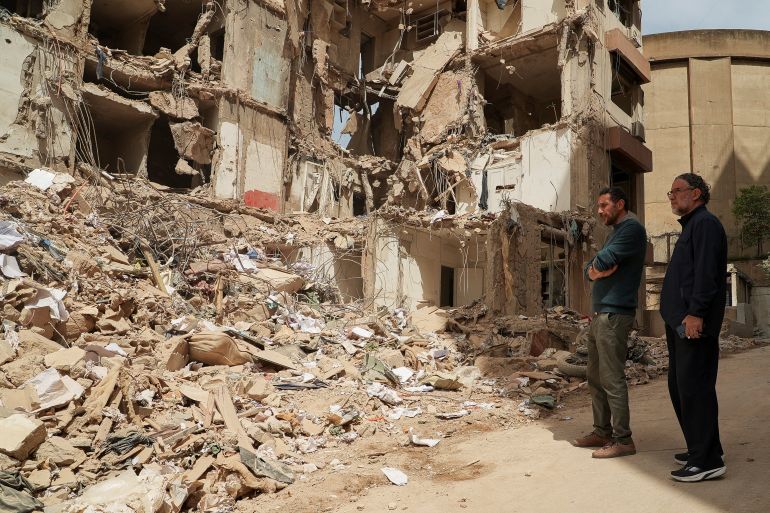
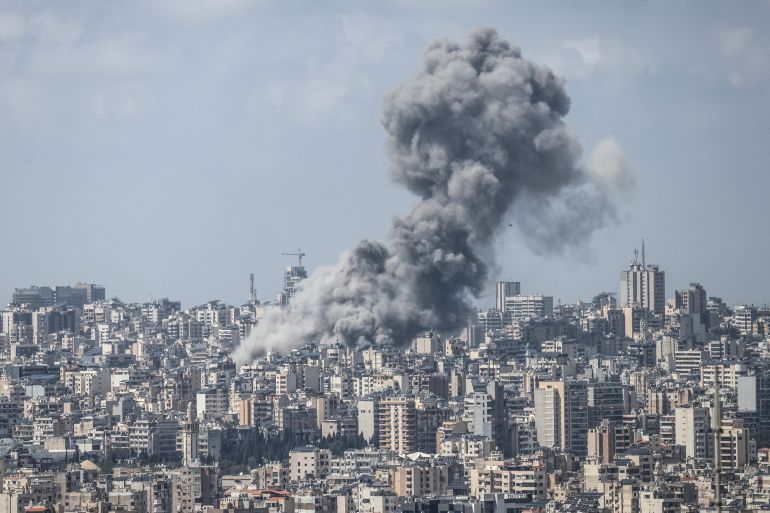
The latest conflict between Israel and Hezbollah began on March 2, following a joint US and Israel attack on Iran. Hezbollah stated its rocket fire into northern Israel was in retaliation for the assassination of Iran’s Supreme Leader Ayatollah Ali Khamenei. The fighting has resulted in a devastating humanitarian toll: over 2,000 people killed in Lebanon, more than a million displaced (roughly a fifth of the population), and an estimated 37,000 homes destroyed or damaged. Israel reports two civilians killed and 13 soldiers killed in combat.
Unresolved Issues and Future Challenges
Despite the ceasefire, the critical question of Hezbollah’s weaponry remains unresolved. Lebanese authorities maintain that disarming Hezbollah requires negotiation, not force. Netanyahu called the ceasefire an “opportunity to make a historic peace agreement” but insisted Israeli forces must remain in southern Lebanon to “block the danger of invasion,” making Hezbollah’s disarmament a fundamental demand in future talks. Hezbollah’s demands for complete Israeli withdrawal and a “quiet for quiet” truce format were rejected by Netanyahu.
In the hours leading up to the ceasefire, cross-border strikes continued. Recent actions, such as the Israeli military destroying the last bridge linking southern Lebanon to the rest of the country, have fueled fears of long-term occupation. Research from BBC Verify also indicates towns and villages across southern Lebanon are being leveled by Israeli demolitions.
#IsraelLebanonCeasefire #MiddleEastPeace #DonaldTrump #Hezbollah #BenjaminNetanyahu #LebanonCrisis #USDiplomacy #RegionalSecurity #PeaceTalks #HumanitarianImpact
Leave a Reply