

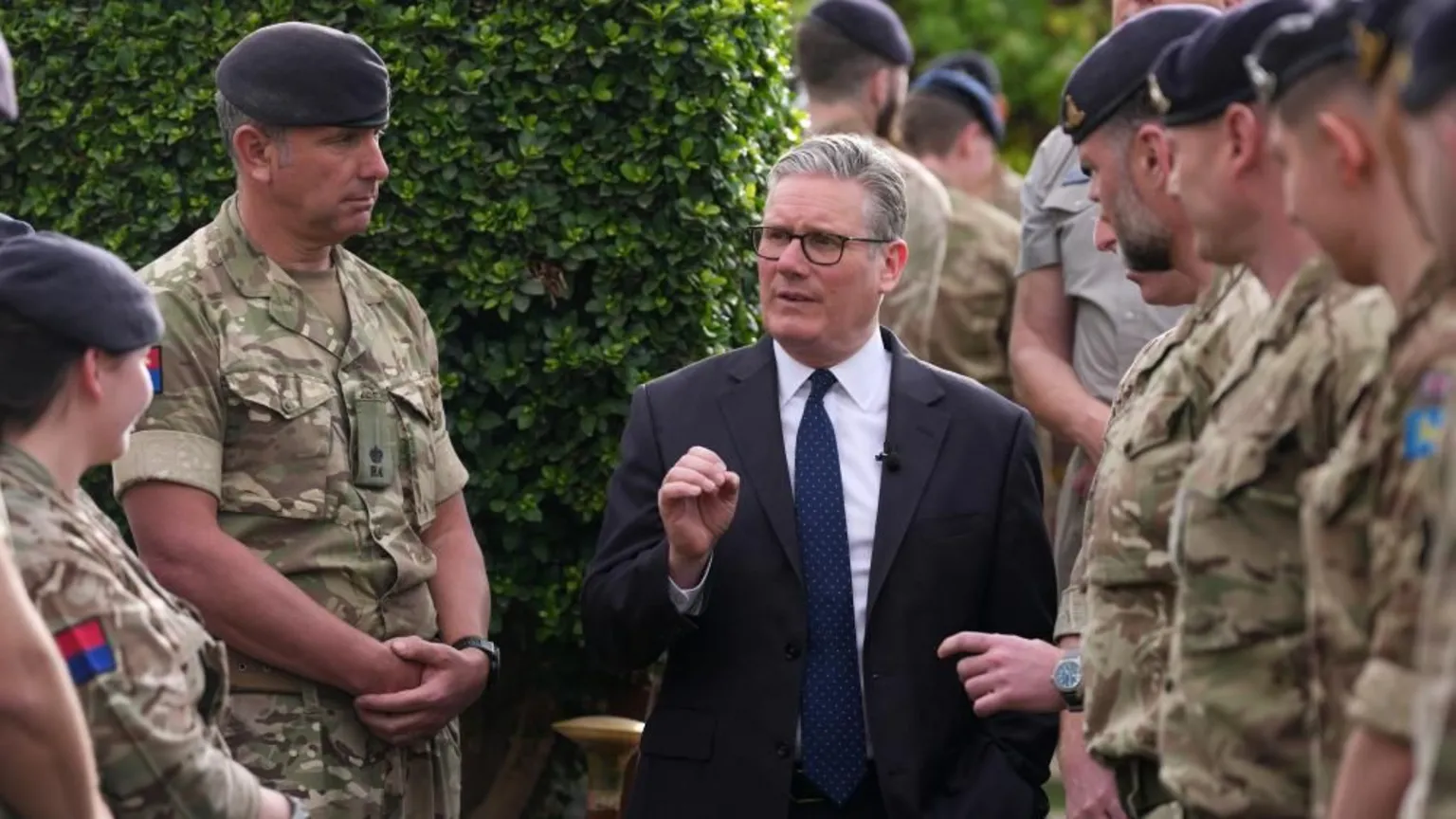
Sir Keir Starmer has stated that “a lot of work remains to be done” to ensure the two-week ceasefire between Iran and the US holds and to facilitate the reopening of the Strait of Hormuz. The prime minister arrived in Saudi Arabia on Wednesday as part of a visit to Gulf allies, aimed at discussing diplomatic efforts to support and uphold the agreement. He emphasized that fully reopening the crucial shipping route to restore oil and gas supplies would help “stabilize” prices in the UK.
The ceasefire follows US President Donald Trump’s threat that a “whole civilization” would “die” if Iran did not agree to end the war and unblock the strait – comments that prompted Downing Street to reiterate calls for “de-escalation.” Sir Keir expressed a sense of “relief” after the ceasefire but acknowledged it was “early days.”
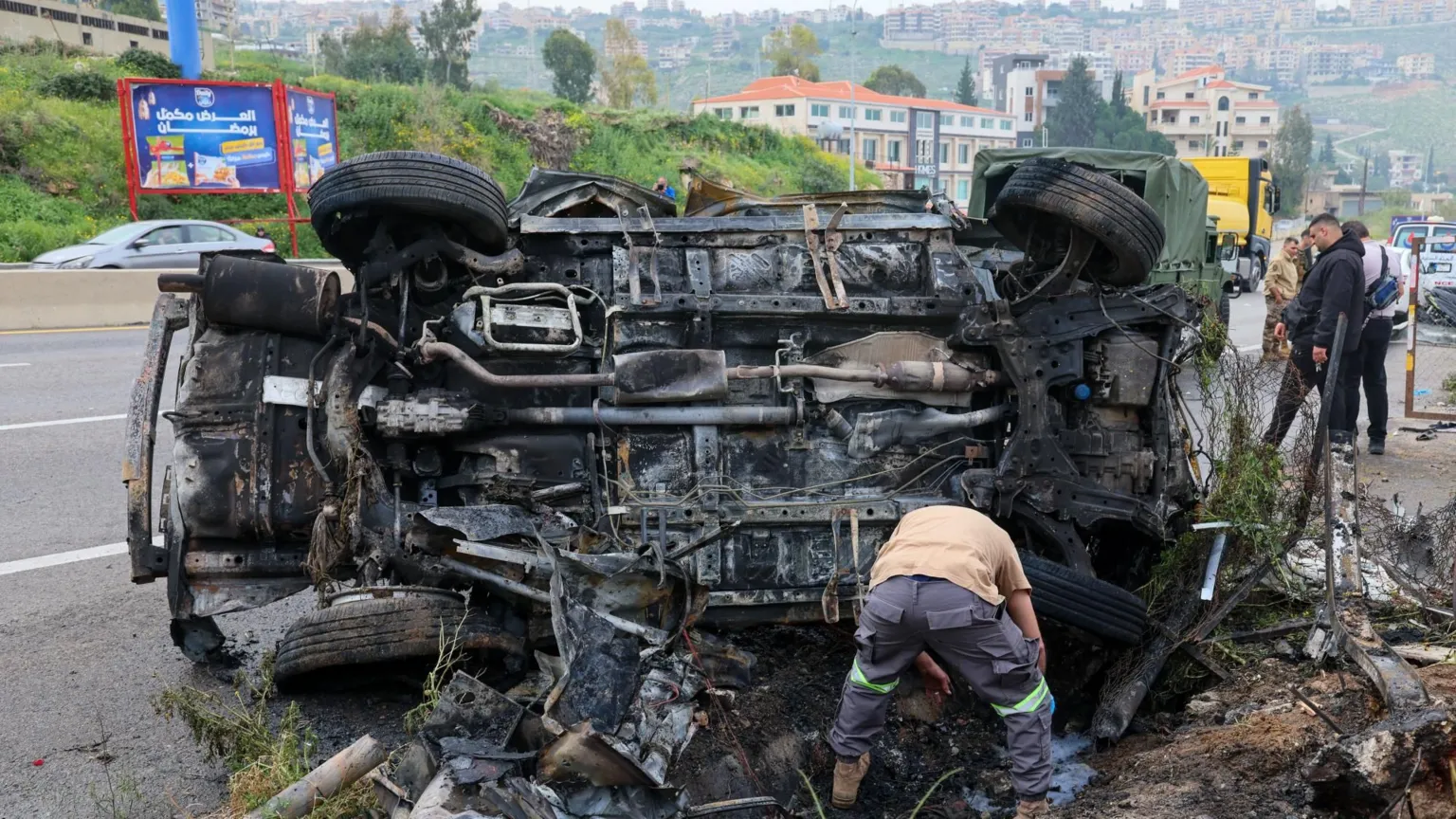
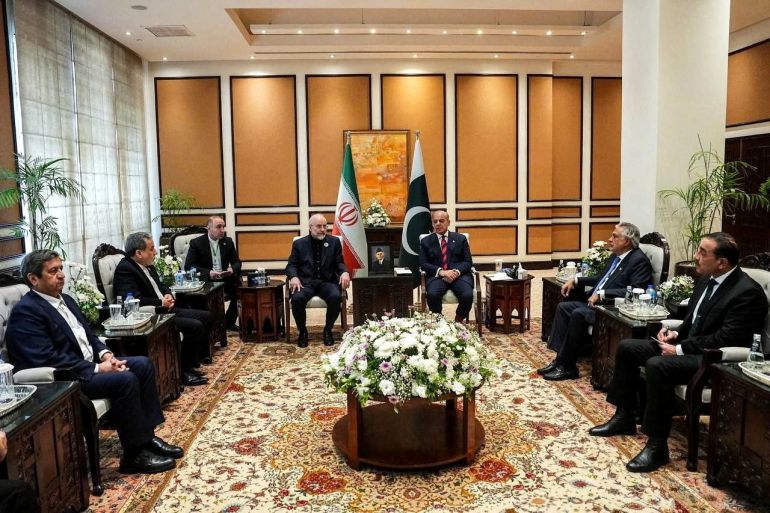
His remarks coincided with Iranian media reports that oil tankers had ceased passing through the strait, while Israel announced it had conducted the “biggest strikes” on Lebanon since its ground operation commenced. Pakistan, which mediated the ceasefire talks, and Iran both stated that the deal encompassed Lebanon, where Israel has been engaged in conflict with the Iranian proxy Hezbollah. However, Israel has maintained that the two-week ceasefire does not include Lebanon.
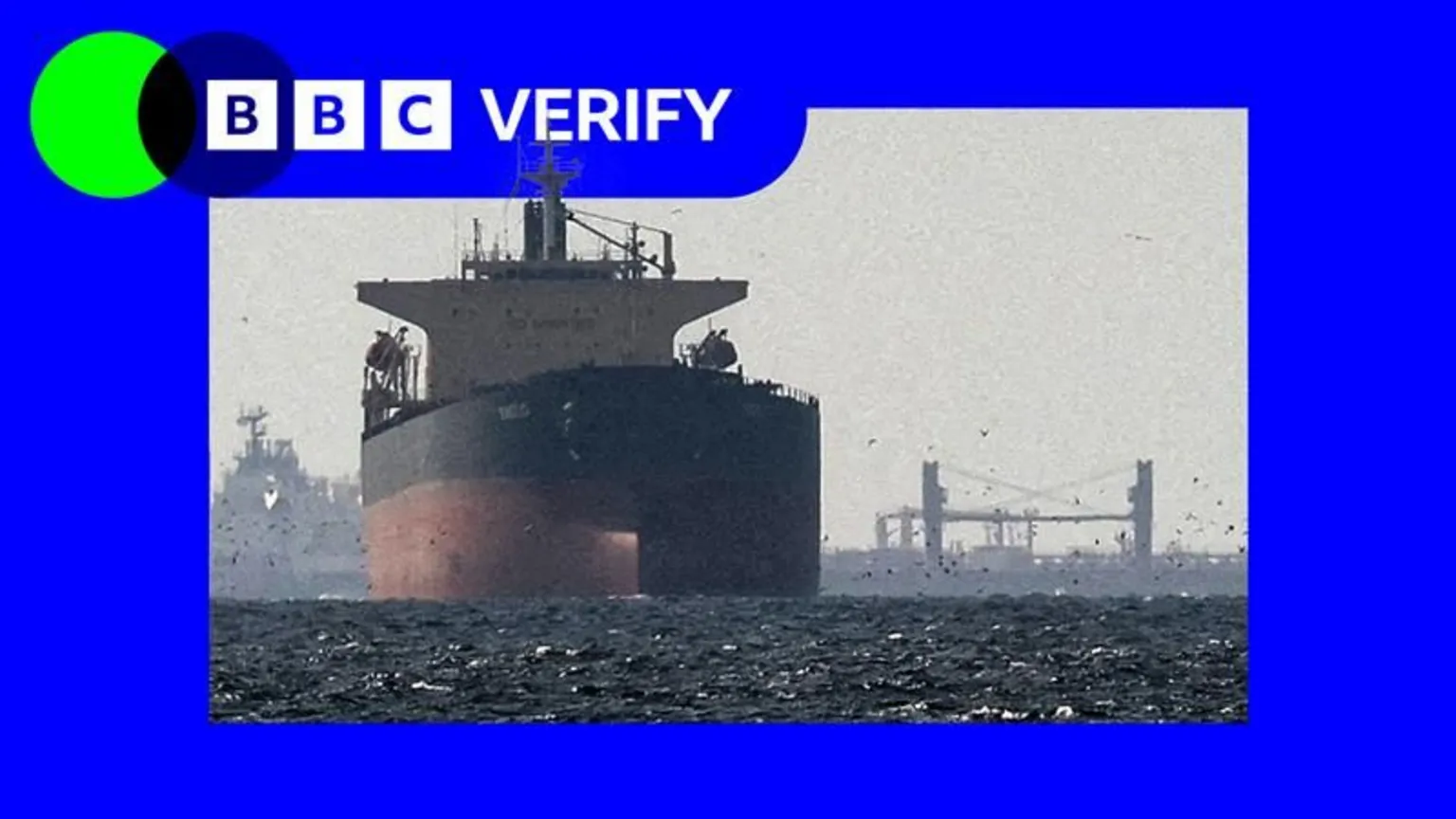
Allowing tankers through the strait is a pivotal condition for the ceasefire between Iran and the US. Ship-broker SSY confirmed to BBC Verify that vessels in the Gulf had received a message warning that the strait remained closed and required permission from Iran’s Islamic Revolutionary Guard Corps (IRGC) before sailing.
Addressing UK and Saudi personnel at the King Fahd Air Base in Taif, Sir Keir stated: “There’s a lot of work to do, as you will appreciate, a lot of work to make sure that that ceasefire becomes permanent and brings about the peace that we all want to see. But also a lot of work to do in relation to the Strait of Hormuz, which has an impact everywhere across the world.”
He subsequently traveled to Jeddah, where he met Saudi Crown Prince Mohammed bin Salman. A Downing Street spokesperson later confirmed that the two leaders discussed “the UK’s ongoing efforts to convene partners to agree and plan the practical steps required to give shipping the confidence to transit the Strait.” The spokesperson also noted that the prime minister thanked Saudi Arabia for its “efforts to protect British nationals in the country.” Sir Keir is scheduled to return to the UK on Friday, a trip planned prior to the ceasefire announcement.
From the Conservative party, shadow housing secretary Sir James Cleverly told BBC Breakfast that the ceasefire presented an “opportunity for Iran to make some serious choices” regarding its domestic and international conduct. Former foreign secretary Sir James reiterated that the war was initiated to ensure Iran “never acquires a nuclear weapon,” which remains an “absolute priority.” He added: “So we’ll welcome this two-week ceasefire, but it’s time that mustn’t be wasted.”
Liberal Democrat leader Sir Ed Davey welcomed the ceasefire but questioned the UK’s ability to trust Trump, labeling him a “totally unreliable ally.” Sir Ed emphasized the necessity of opening the Strait of Hormuz, warning that failure to do so would lead to people paying “a heavy price in inflation and lower growth.” He added: “So whatever it takes, but I do think we’ve got to stand up to America. America has caused this problem so we’ve got to work with allies who we can trust.”
Reform UK leader Nigel Farage expressed skepticism that Sir Keir would be treated “with a great degree of respect” during his Gulf visit, alleging that the prime minister’s decisions regarding the conflict had “upset” allies.
Last week, the UK hosted a virtual summit where representatives from over 40 countries began efforts to form a coalition capable of ensuring security in the strait once hostilities cease. This was followed by a military planning conference on Tuesday.
Iran and the US agreed to the conditional ceasefire on Tuesday, just over an hour before the deadline Trump had set for Iran to reach a deal expired. In a post on Truth Social, Trump declared the ceasefire was “subject to the Islamic Republic of Iran agreeing to the COMPLETE, IMMEDIATE, and SAFE OPENING of the Strait of Hormuz.” Iranian Foreign Minister Abbas Araghchi announced his country’s agreement to a ceasefire “if attacks against Iran are halted,” adding that “for a period of two weeks, safe passage through the Strait of Hormuz will be possible.”
The war commenced in February, with the US and Israel launching coordinated attacks on Iran over concerns that Tehran was accelerating efforts towards developing a nuclear weapon. In response, Iran launched strikes on its neighbors across the Gulf and the wider Middle East. It also imposed a stranglehold on the Strait of Hormuz, a critical shipping route through which a fifth of the world’s energy shipments typically transit. The conflict caused crude oil prices to spike, with sharp increases in petrol and diesel costs, raising global concerns about the cost of living.
#USIranCeasefire #StraitOfHormuz #KeirStarmer #MiddleEastDiplomacy #OilPrices #GlobalSecurity #IranNuclearDeal #UKPolitics #GulfRegion #InternationalRelations


Leave a Reply