

Iran has warned that the United States’ naval blockade on its ports, initiated by President Donald Trump, will ultimately harm the global economy.
“Can an illegal ‘war of choice’ be won through a ‘revenge of choice’ against the global economy?!” questioned Esmaeil Baghaei, spokesperson for Iran’s Ministry of Foreign Affairs, in a post on X on Monday. He added, “Is it ever worthwhile to cut off one’s nose to spite one’s face?!”
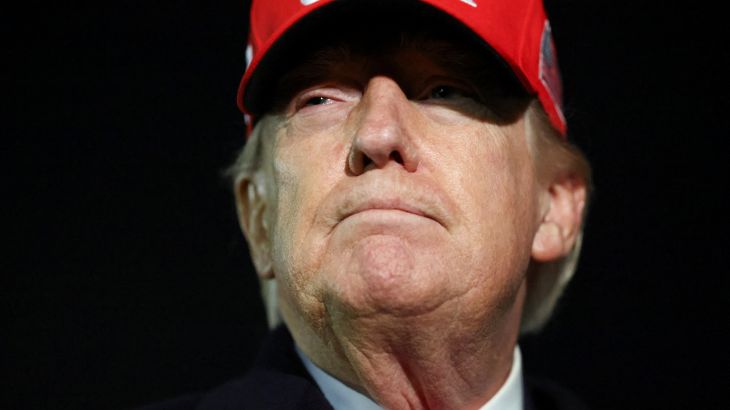
Trump issued a stern warning to Iranian military vessels, cautioning them against approaching the newly established blockade zone.
In a social media post, Trump claimed, “Iran’s Navy is laying at the bottom of the sea, completely obliterated – 158 ships. What we have not hit are their small number of, what they call, ‘fast attack ships,’ because we did not consider them much of a threat.” He further warned, “If any of these ships come anywhere close to our BLOCKADE, they will be immediately ELIMINATED.”
The blockade, announced by Trump on Sunday following the breakdown of US-Iranian negotiations in Pakistan, officially commenced on Monday at 10 am Washington, DC time (14:00 GMT).
This action by the US carries the risk of a significant escalation, potentially jeopardizing a two-week ceasefire between the two nations that began last Wednesday.
The United Kingdom Maritime Trade Operations (UKMTO) centre confirmed it had been informed that the US blockade would apply “without distinction” to all vessels interacting with Iranian ports and oil terminals.
In an advisory, UKMTO, an organization affiliated with the British navy, stated, “The restrictions encompass the entirety of the Iranian coastline, including the ports and energy infrastructure.”
Despite the ceasefire agreement stipulating Iran’s commitment to open the Strait of Hormuz, there has been no observable increase in vessel traffic through the strategic waterway.
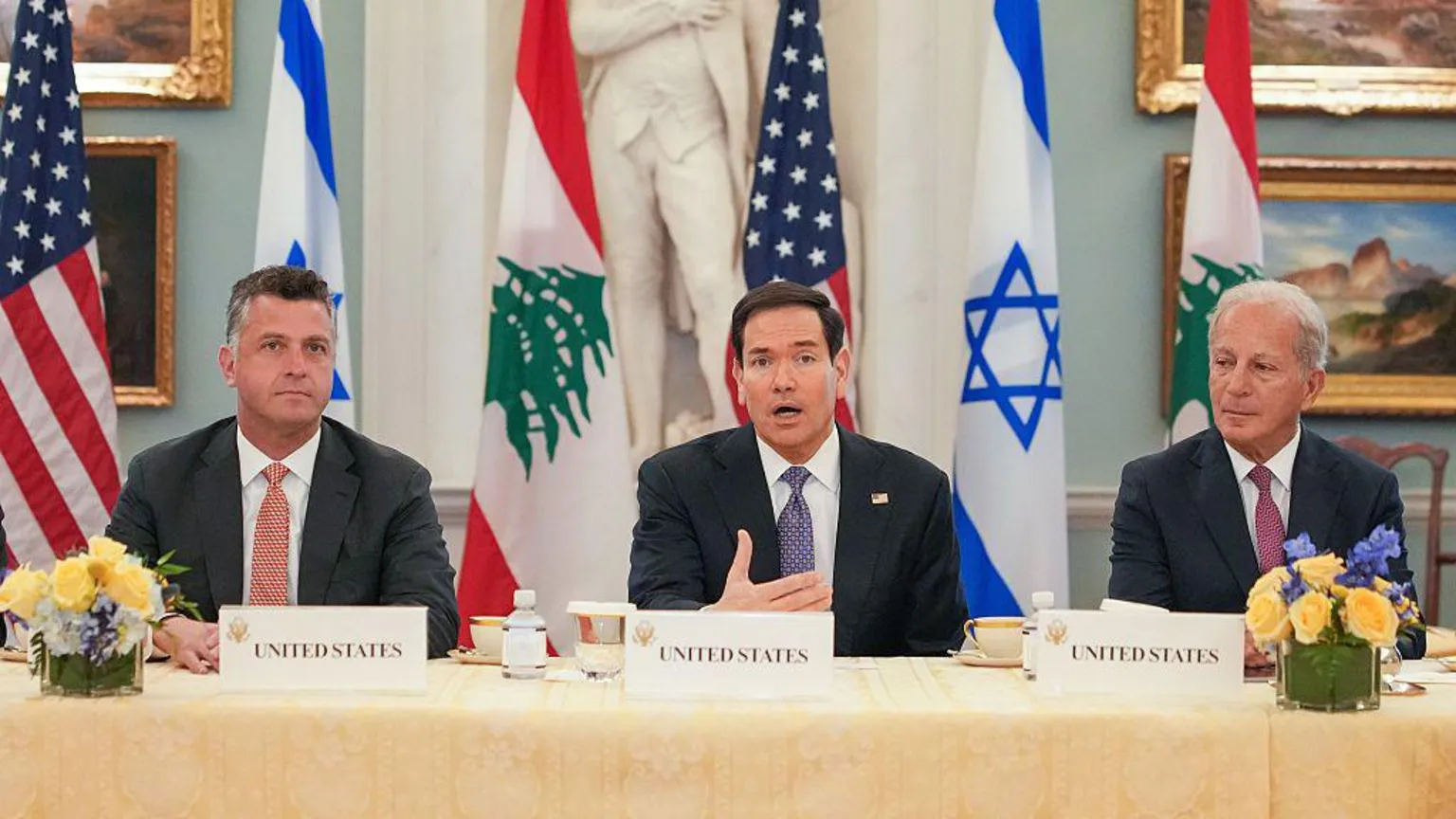
Iranian officials have accused the US of breaching the truce by permitting Israel to continue its bombing campaigns and ground invasion in Lebanon. Pakistan, the mediator of the ceasefire, had previously affirmed that all regional fronts, including Lebanon, were integral to the agreement.
While Trump’s decision to blockade Iran’s ports is expected to further strain the already struggling Iranian economy, analysts suggest it is unlikely to weaken Iran’s control over the Strait of Hormuz or lead to a reduction in global energy prices.
Mohammad Bagher Ghalibaf, the Iranian parliament speaker and head of Tehran’s negotiating team in Islamabad, warned on Sunday that the US naval siege would only result in higher petrol prices for American consumers.
The average price of a gallon (2.8 litres) of petrol in the US currently exceeds $4.12, a significant increase from less than $3 before the conflict commenced.
Ghalibaf posted on X, “Enjoy the current pump figures. With the so-called ‘blockade,’ soon you’ll be nostalgic for $4-$5 gas.”
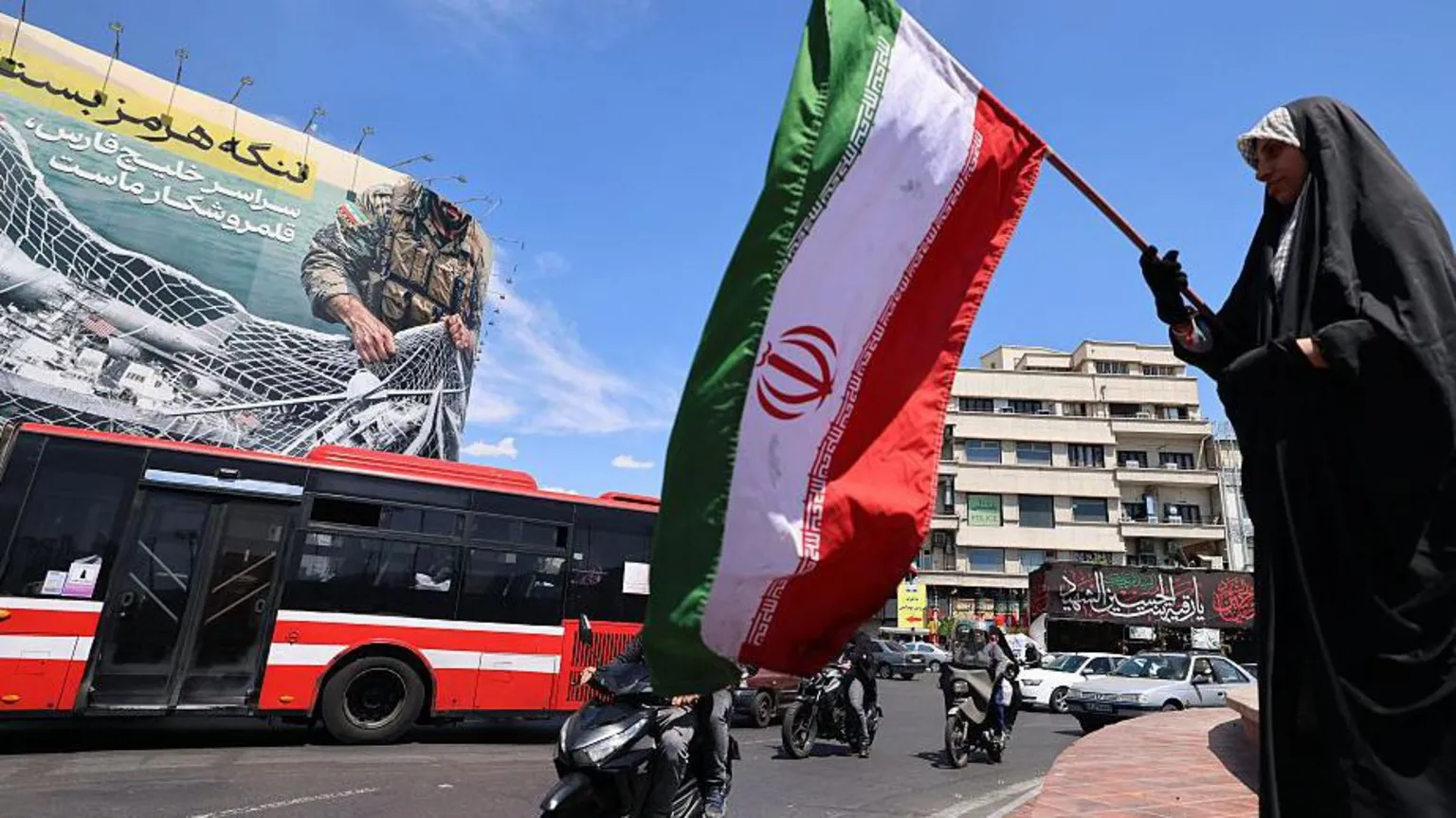
Iran has vowed to defend its territorial waters, characterizing the naval siege as an act of “piracy.”
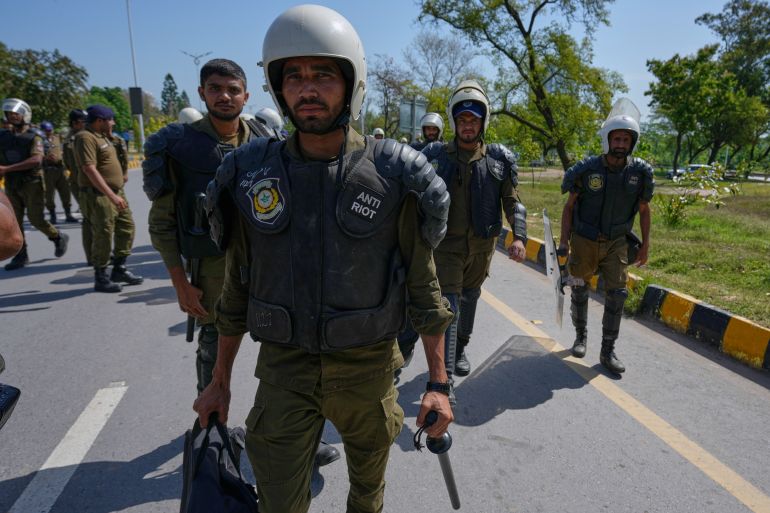
Key points of contention during the 21-hour talks in Islamabad, which began on Saturday, included disputes over the Strait of Hormuz and the question of whether Iran would be permitted to maintain a domestic nuclear program.
Pakistan has reiterated its commitment to continuing its mediation efforts.
“Pakistan remains committed to sustaining this momentum for peace and stability,” stated Pakistani Prime Minister Shehbaz Sharif in a social media post on Monday.
#USIranTensions #NavalBlockade #StraitOfHormuz #MiddleEastConflict #GlobalEconomy #OilPrices #IranSanctions #CeasefireViolations #Diplomacy #Geopolitics
Trump Says Iranian Ships to Be ‘Eliminated’ as US Naval Blockade Begins





Leave a Reply