

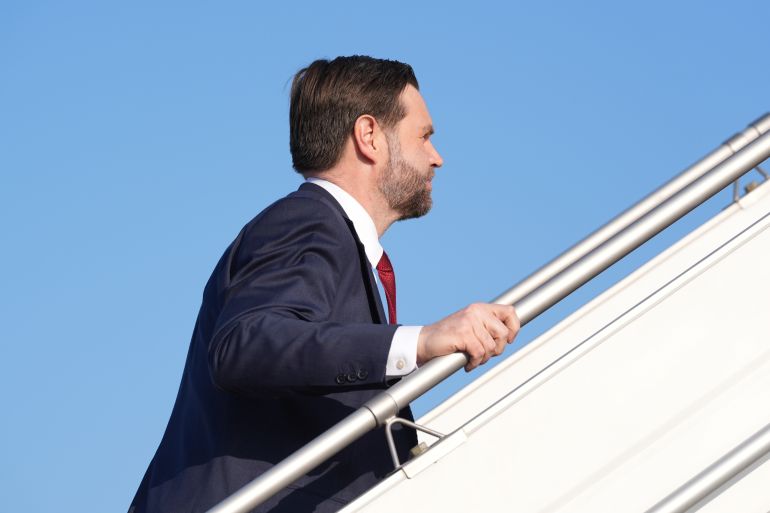
JD Vance, the US Vice President, stated that Iran declined to accept American terms, while Tehran maintained that it had not anticipated an agreement during the initial meeting.
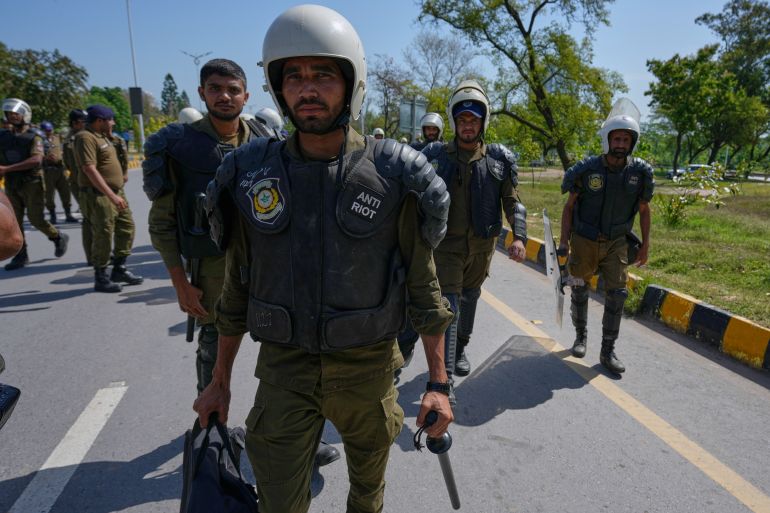
High-stakes negotiations spanning 21 hours in Islamabad, the capital of Pakistan, concluded without an agreement between the United States and Iran. Vice President JD Vance confirmed that Tehran rejected Washington’s proposed terms.
“The unfortunate reality is that we couldn’t reach an agreement, and I believe this is far more detrimental for Iran than it is for the United States of America,” Vance, who led the US delegation, informed reporters just before departing Islamabad. This meeting marked the highest-level engagement between Washington and Tehran since the 1979 Islamic revolution. He reiterated that Iran “chose not to accept our terms” and emphasized the US demand for a “fundamental commitment” from Tehran to refrain from developing nuclear weapons. Vance further elaborated, “We require an explicit commitment that they will neither pursue nuclear weapons nor the means to rapidly acquire them.”
John Hendren of Al Jazeera, reporting from Washington, DC, noted that President Donald Trump’s decision to send Vance underscored the seriousness with which the US approached these discussions. Hendren added that Vance’s departure “doesn’t necessarily mean that the talks are over,” identifying the Strait of Hormuz, which remains under Iranian control, and unresolved aspects of the nuclear issue as primary points of contention. The Al Jazeera correspondent suggested that the US has engaged in ongoing negotiations with Iran, and these discussions could resume remotely, implying that Vance’s departure might be a strategic hard stance. Hendren highlighted that the US demands extend beyond a mere pledge from Iran not to develop nuclear weapons; it also insists that Iran not even attempt to acquire the necessary tools, a factor that prolonged negotiations in the mid-2010s for years.
Tehran Anticipates Continued Engagement
On Sunday, Iran’s Ministry of Foreign Affairs stated that an agreement in a single session of talks with the US was not expected by anyone. “Naturally, from the outset, we shouldn’t have anticipated reaching an agreement in a single session. No one held such an expectation,” remarked ministry spokesperson Esmaeil Baghaei, as reported by state broadcaster IRIB. He expressed Tehran’s “confidence that contacts between us and Pakistan, as well as our other regional allies, will persist.”
Tohid Asadi of Al Jazeera, reporting from Tehran, noted that the Iranian delegation did not disclose technicalities or specific details regarding the contentious issues discussed during the talks. He explained, “Previously, discussions between Washington and Iran primarily focused on the nuclear dossier and the stockpile of highly enriched uranium, which were contentious points in earlier negotiation rounds.” “However, this time, we observe a more comprehensive approach encompassing other issues; and naturally, this broader scope introduces additional controversial subjects,” the Al Jazeera correspondent stated, noting that both sides aim to address a wide range of topics, from the Strait of Hormuz to security assurances.
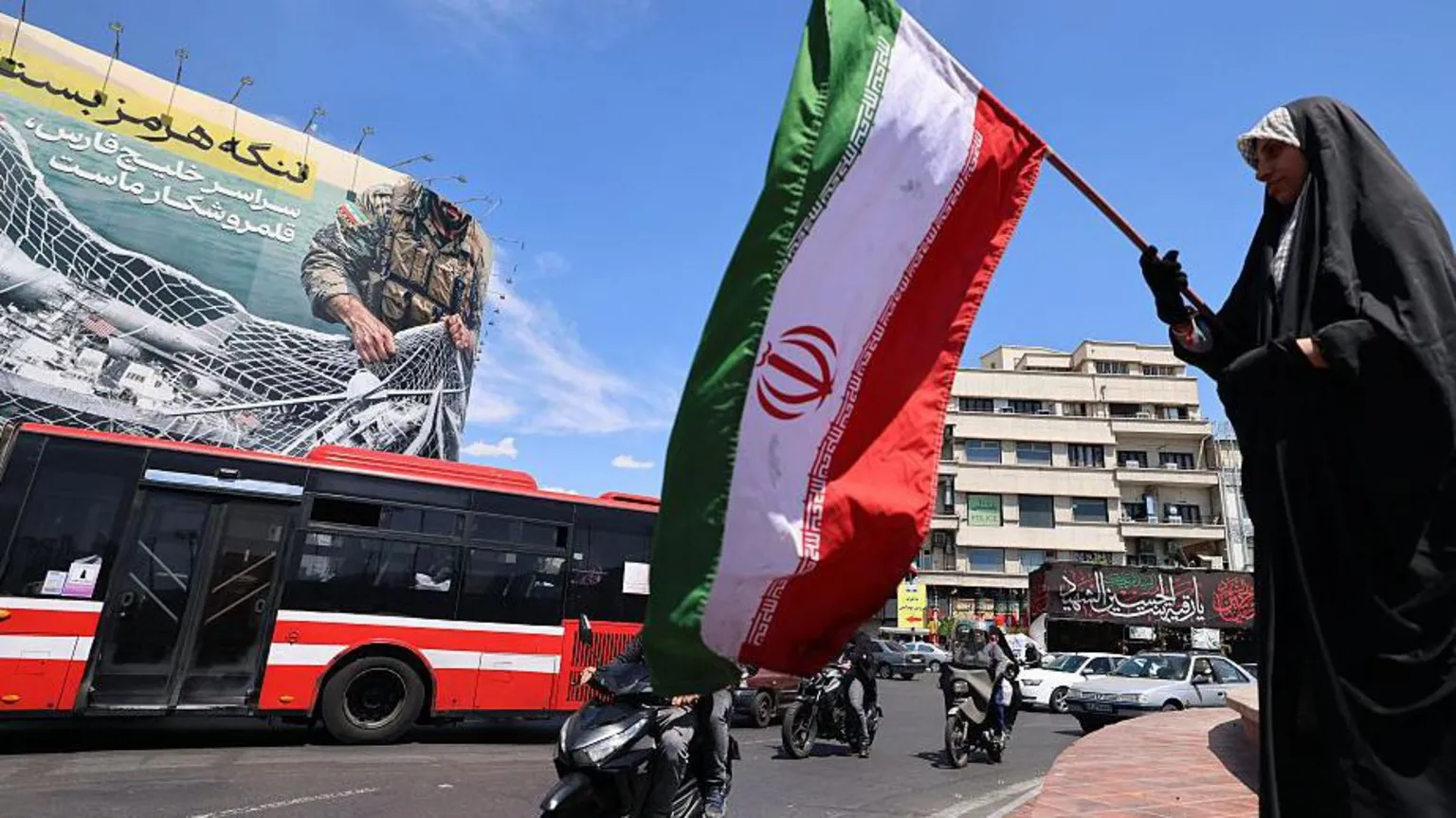
According to Iranian state television and officials, Tehran’s demands include the release of frozen assets abroad, control over the Strait of Hormuz, war reparations, and a region-wide ceasefire, specifically encompassing Lebanon. Conversely, Israel, a US ally, has declined to halt its aggressive campaign against Hezbollah in Lebanon. While Tehran asserts that the ceasefire agreed upon last week covers the conflict in Lebanon, both the US and Israel have rejected this interpretation. Notably, Pakistani Prime Minister Shahbaz Sharif’s initial announcement of the ceasefire deal did include Lebanon.
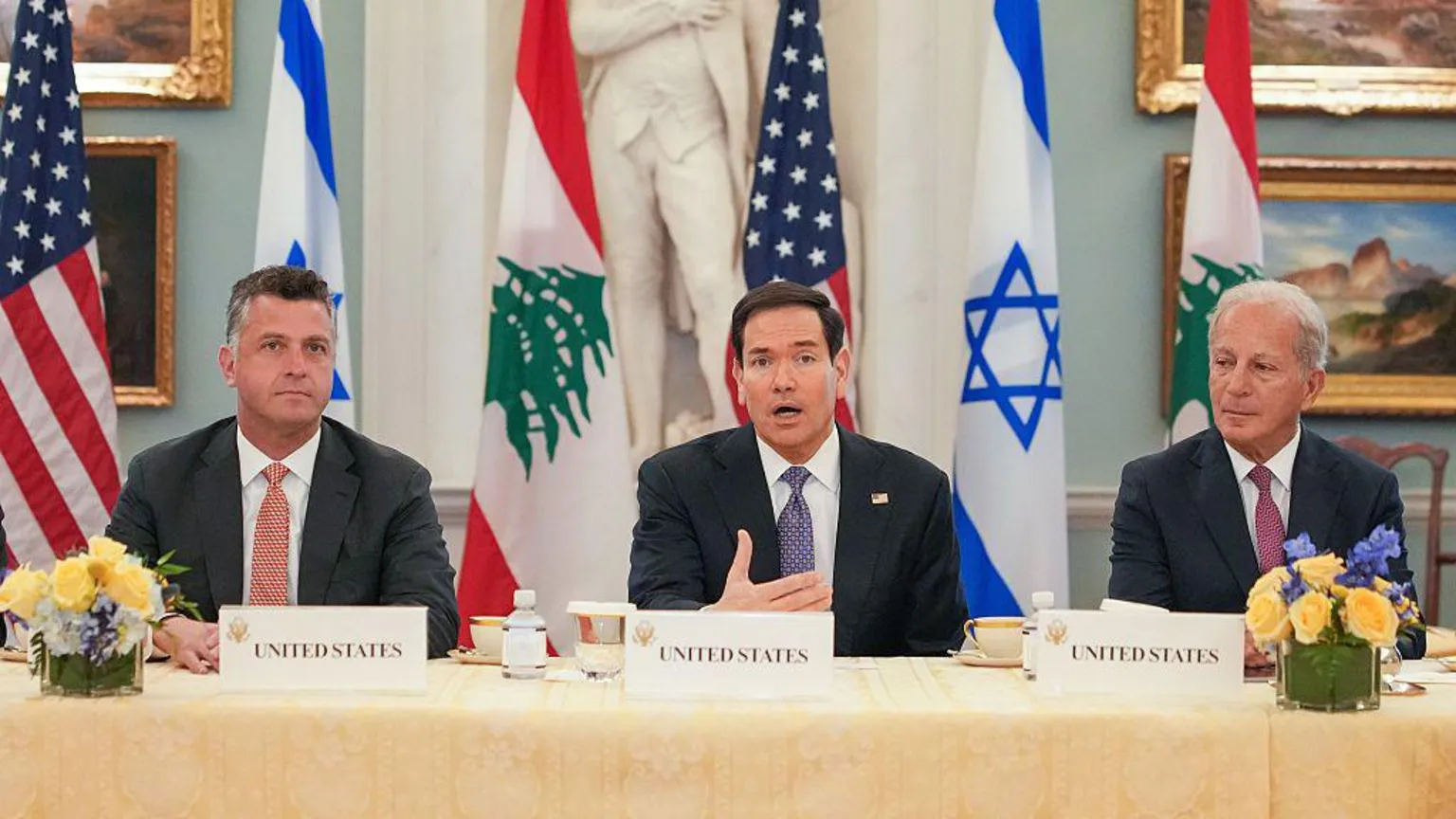
Concurrently with the Islamabad talks, Israeli Prime Minister Benjamin Netanyahu declared that Israel’s military campaign against Iran was ongoing. He posted on X, “Israel under my leadership will continue to fight Iran’s terror regime and its proxies.” Netanyahu also indicated Israel’s pursuit of an agreement with Lebanon. Reports suggest that Yechiel Leiter, the Israeli ambassador to the US, held a first-time discussion with the Lebanese envoy in Washington, DC. In a statement, Leiter affirmed that Israel would not agree to a ceasefire with Hezbollah.
Call for Sustained Truce
Meanwhile, Pakistan urged both the US and Iran to honor their ceasefire commitments and persist in their efforts to achieve lasting peace. Pakistan’s Foreign Minister Ishaq Dar stated, “On behalf of Pakistan, I extend gratitude to both parties for acknowledging Pakistan’s efforts in securing a ceasefire and its mediating role. We hope that both sides will maintain a positive spirit to achieve durable peace and prosperity for the entire region and beyond.”
Osama Bin Javaid of Al Jazeera, reporting from Islamabad, noted that Iran’s proposed framework before the talks did not include any mention of a complete abandonment of its nuclear ambitions. He added, “However, what the US is fundamentally demanding from Iran now is the relinquishment of its right to any nuclear program, even for medical applications.” He concluded, “A vast ocean of mistrust exists between them, and attempts to bridge these divides are hindered by such statements and by concluding negotiations with an ultimatum.”
On February 28, the US and Israel initiated a conflict against Iran, which subsequently escalated across the broader Middle East. Tehran responded with retaliatory attacks on Israel and neighboring Gulf states hosting US military assets. The US-Israeli assaults on Iran resulted in over 2,000 fatalities and extensive damage to both military and civilian infrastructure. This conflict erupted despite multiple rounds of discussions between Washington and Tehran. Oman, acting as a mediator, indicated that the war commenced even though an agreement was “within reach.” Experts have asserted that the war constitutes a violation of international law. The significant 2015 nuclear deal between the US and Iran was abrogated during President Trump’s first term. Furthermore, the conflict triggered a global energy crisis when Iran imposed restrictions on the Strait of Hormuz, a vital waterway through which approximately 20 percent of the world’s oil and gas exports transit.
The US delegation, headed by Vance, and the Iranian delegation, led by Parliament Speaker Mohammad Bagher Ghalibaf, had deliberated on how to advance a ceasefire already jeopardized by profound disagreements and Israel’s ongoing assaults against the Lebanese group Hezbollah. Israeli strikes have persisted across southern Lebanon, with the most recent attack in the Tyre district resulting in at least six fatalities.
#USIranTalks #PakistanDiplomacy #MiddleEastPeace #NuclearDeal #StraitOfHormuz #CeasefireEfforts #RegionalSecurity #HezbollahConflict #InternationalRelations #IslamabadNegotiations





Leave a Reply