

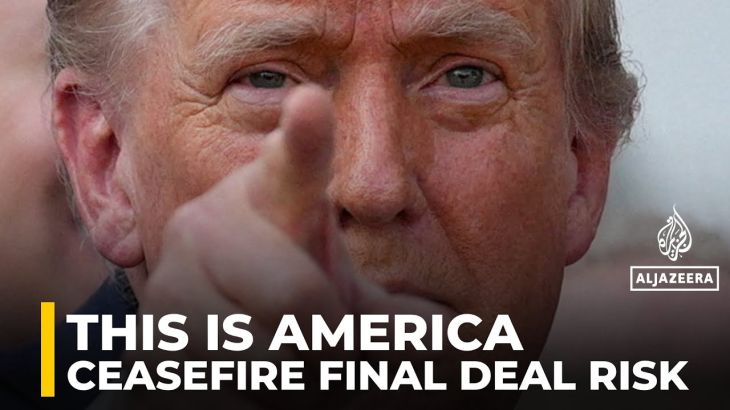
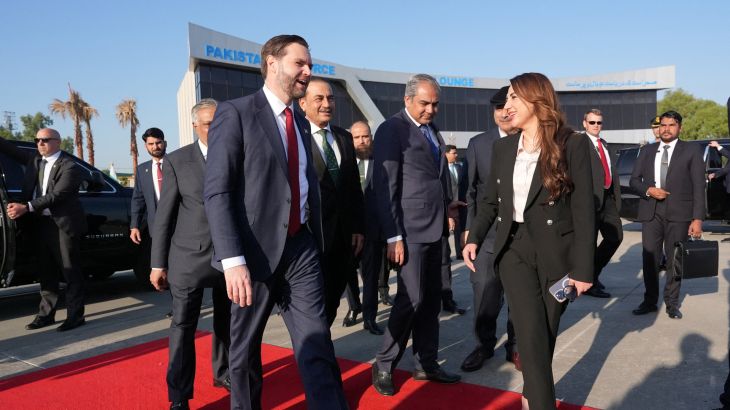
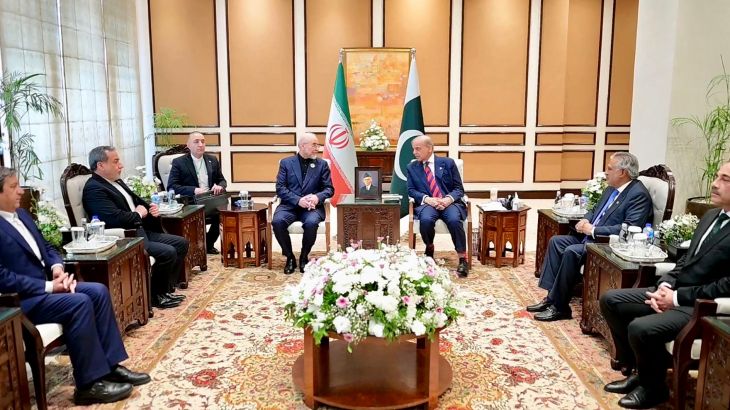
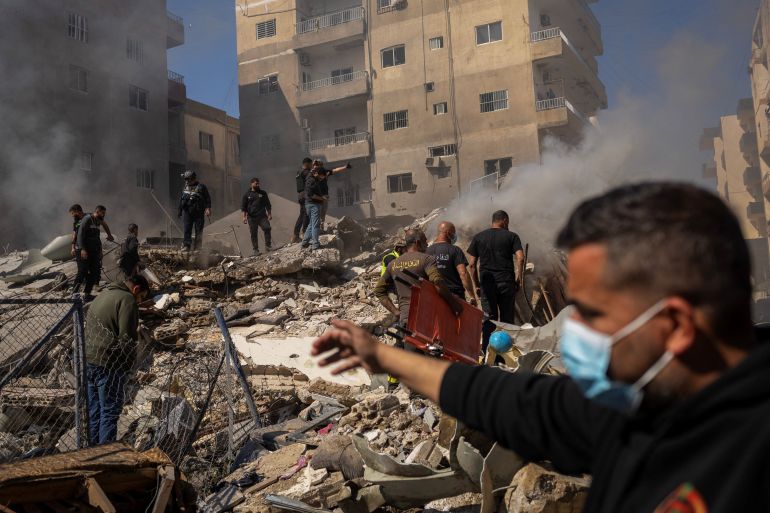
Amid ongoing tensions between the United States and Iran, the prospect of a ceasefire and a comprehensive final deal remains a complex and challenging diplomatic endeavor. Analysts suggest that any breakthrough would likely hinge on a delicate balance of pressure, incentives, and a careful navigation of inherent risks. Pressure tactics, primarily through economic sanctions imposed by the U.S., aim to compel Iran to alter its nuclear program and regional policies. Simultaneously, potential incentives, such as the easing of these sanctions or security assurances, could offer a pathway for Tehran to engage constructively. However, both sides face significant risks. For the U.S., a failed negotiation could embolden hardliners in Iran and potentially lead to further instability in the Middle East. For Iran, concessions could be seen as a sign of weakness domestically, while a refusal to negotiate risks deeper economic hardship and international isolation. Experts believe that a sustainable final deal would need to address not only the nuclear issue but also broader regional security concerns and ballistic missile development. The path to such an agreement is fraught with political obstacles, domestic opposition in both countries, and a deep-seated mistrust that has characterized their relationship for decades. The international community watches closely, hoping that diplomacy can ultimately prevail over confrontation, delivering a lasting resolution to one of the world’s most enduring geopolitical challenges.
#USIran #CeasefireTalks #MiddleEastDiplomacy #IranNuclearDeal #InternationalRelations #Geopolitics #Sanctions #Diplomacy #RegionalSecurity #PeaceNegotiations
US-Iran ceasefire: Can pressure, incentives, and risks deliver a final deal




Leave a Reply