

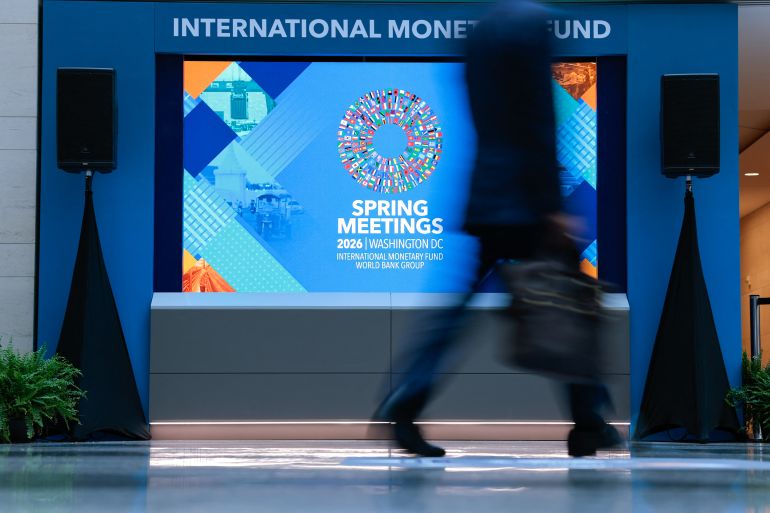
The International Monetary Fund (IMF) has revised down its global economic growth forecast, attributing the change to escalating tensions between the United States and Iran, which have led to a worldwide surge in energy and food prices.
On Tuesday, the IMF announced that it now anticipates the global economy to expand by 3.1 percent this year. This marks a decrease from its previous projection of 3.3 percent, a forecast made before the US and Israel initiated their conflict with Iran on February 28.
Following the conflict’s onset, Iran retaliated by closing the Strait of Hormuz, a crucial bottleneck for global oil and gas supplies. This action, coupled with attacks on regional energy infrastructure, has caused oil prices to soar and significantly tightened oil and gas availability, severely impacting nations heavily dependent on these imports.
The new report also indicates a deceleration compared to last year’s economic expansion of 3.4 percent. The IMF cautioned that certain regions and countries would experience more severe impacts than others.
Iran’s economic outlook, for instance, underwent one of the most significant country-level revisions. An initial modest growth forecast for 2026 was slashed by 7.2 points, now projecting a contraction of 6.1 percent.
Similarly, the IMF reduced its GDP growth forecasts for Saudi Arabia, moving from 4.5 percent down to 3.1 percent.
In its World Economic Outlook report, the IMF stated, “The current hostilities in the Middle East present immediate policy trade-offs: balancing the fight against inflation with the preservation of growth, and supporting those affected by the rising cost of living while simultaneously rebuilding fiscal buffers.”
Chief Economist Pierre-Olivier Gourinchas elaborated in a release, noting that the impact “will be highly uneven across countries, hitting countries in the conflict region, commodity-importing low-income countries, and emerging market economies hardest.”
For the Middle East and North Africa region, the 2026 growth forecast was reduced by 2.8 points to 1.1 percent. The IMF also cut its 2026 forecast for the broader Middle East and Central Asia by 2 percentage points, bringing it to 1.9 percent.
Meanwhile, in the eurozone, growth is now expected to slow to 1.1 percent this year, down from 1.4 percent in 2025 and below the 1.3 percent predicted in January.
These lowered forecasts coincide with a significant surge in the costs of oil, gas, and fertilizers, alongside a slowdown in traffic through the Strait of Hormuz, a waterway through which approximately 20 percent of the world’s oil and liquefied natural gas supplies pass.
Aleksandar Tomic, associate dean for strategy, innovation and technology at Boston College, commented to Al Jazeera, stating, “It is just another confirmation of what we knew, which is that the war in the Middle East is changing the growth trajectory in the immediate term and, if it expands, possibly in the longer term as well.”
Inflationary Pressures
The IMF now anticipates higher global inflation, projecting it at 4.4 percent, an increase of 0.6 percentage points from its January forecast.
Gourinchas noted that the fund is closely monitoring the effect of a stronger US dollar on inflation in developing economies, as it typically serves as a transmission channel for tighter financial conditions in emerging markets.
The IMF also slightly reduced its US growth outlook for this year to 2.3 percent, a decrease of just a tenth of a percentage point from its January projection.
Experts have warned that continued strains in the Strait of Hormuz could exacerbate inflationary pressures in the coming months.
Babak Hafezi, a professor of international business at American University, told Al Jazeera, “For every $10 sustained increase in gas prices [per barrel], we should expect a decrease in GDP growth of about 0.4 percent. Meaning, a sustained $60 increase above the average price would put the US firmly in recession territory.”
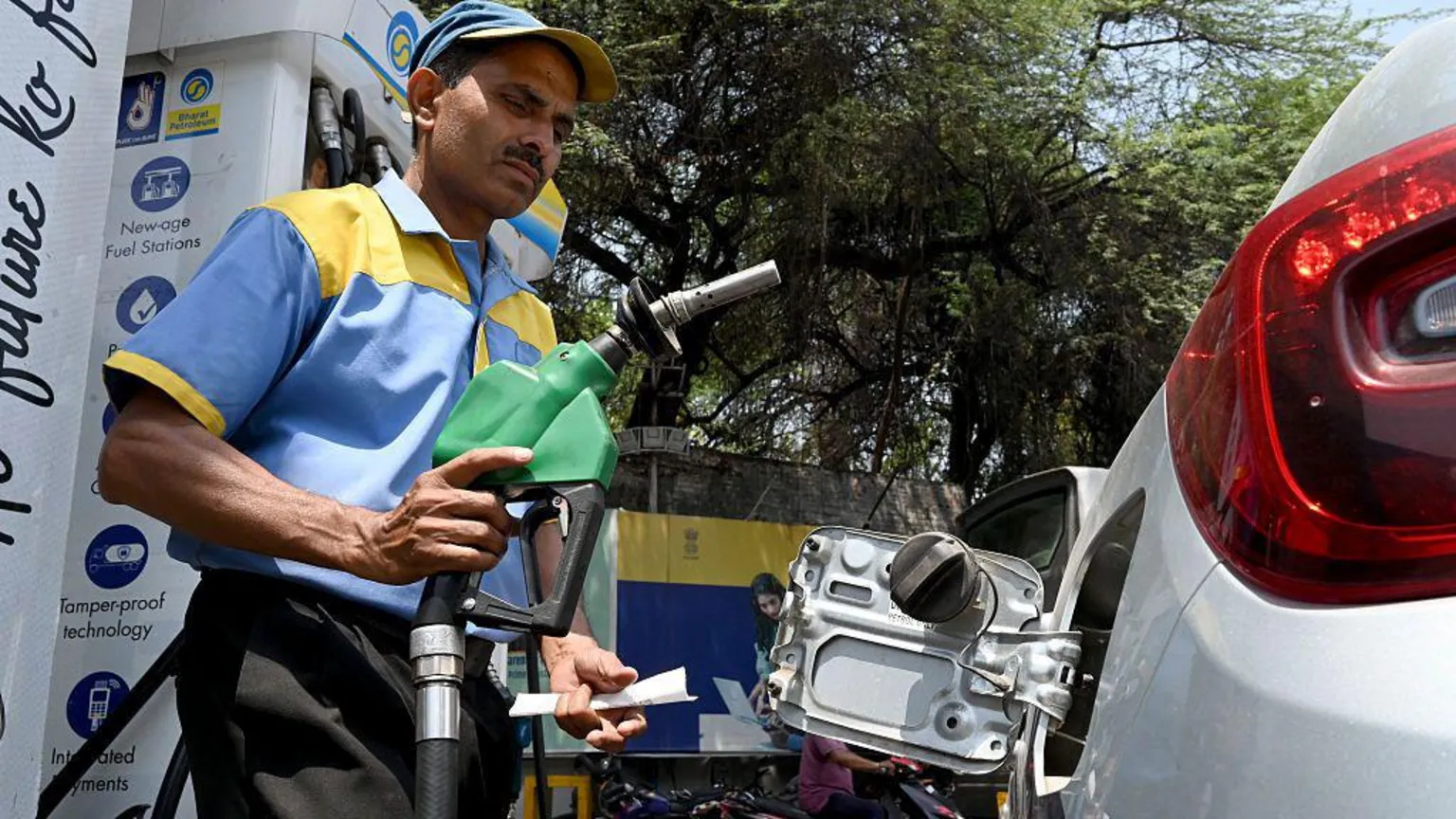
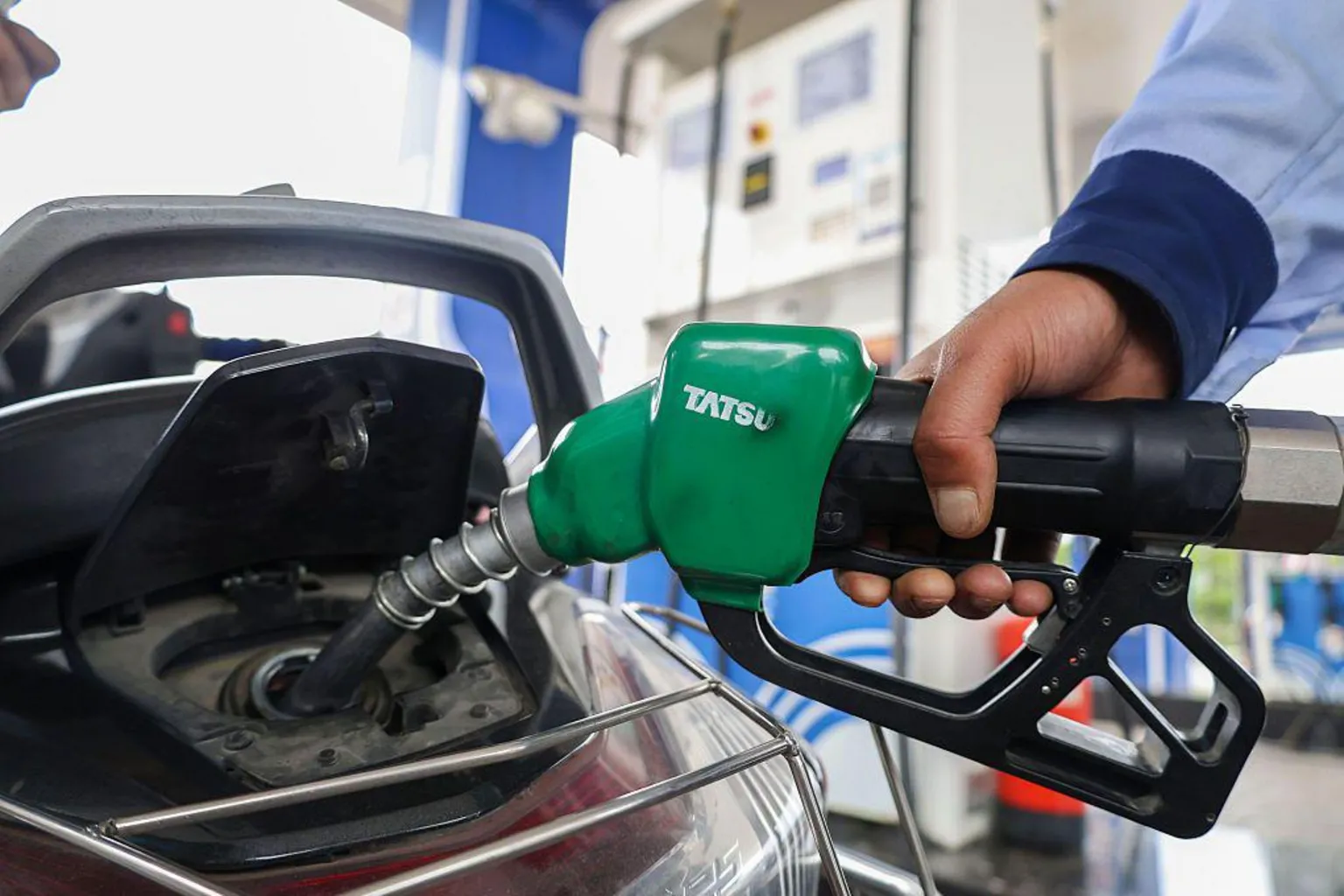
According to the American Automobile Association, which tracks daily petrol prices, petrol prices in the US have continued to climb, with the average price for a gallon (3.78 litres) reaching $4.11, up from $2.98 on February 28 when the US and Israel attacked Iran.
However, there is a possibility that pressures on oil prices could ease. Oil prices saw a drop on Tuesday amid hopes that Iran might resume talks with the US to end the conflict.
Brent crude futures fell to $95.02 per barrel, a decrease of 4.37 percent on the day. West Texas Intermediate crude also dropped by $7.27, or 7.32 percent, to $91.84. Despite these declines, prices remain significantly higher than before the Iran conflict.
#IMFForecast #GlobalEconomy #HormuzBlockade #OilPrices #Inflation #USIranTensions #EconomicSlowdown #MiddleEastConflict #EnergyCrisis #GDPGrowth



Leave a Reply