

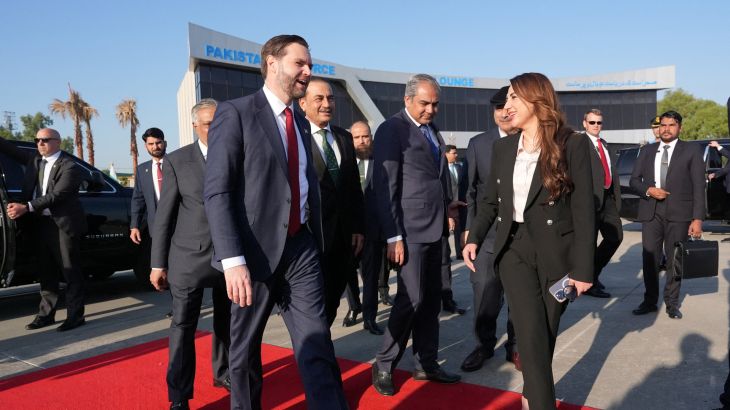
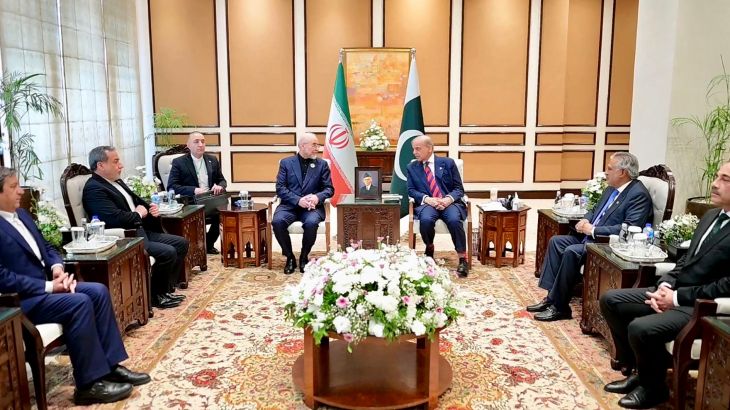
After 40 days of fighting, the United States and Iran agreed to a two-week ceasefire on Wednesday morning, with negotiations expected to commence on Friday in Pakistan’s capital, Islamabad.
A crucial element of Iran’s 10-point proposal is the resumption of shipping through the Strait of Hormuz. This vital waterway, which normally facilitates the transit of 20 percent of the world’s oil and gas during peacetime, has been effectively closed since the war began, leading to a dramatic surge in global oil and gas prices.
Following this announcement, oil prices, which had largely stayed above $110 throughout much of the conflict, fell to $92 on Wednesday.
Over the past six weeks, petrol prices have increased in over 100 countries. Numerous governments, predominantly in Asia, have declared national energy emergencies and implemented stringent measures to curb consumption, such as work-from-home directives, reduced working weeks, fuel rationing, and curfews.
Continued Uncertainty and Logistical Limitations
While the reopening of the Strait of Hormuz offers a crucial release valve for energy supplies, the ongoing delays in restarting production and transport indicate that the energy crisis is far from resolved.
For maritime operations to resume effectively, ships require assurances regarding security during the upcoming two-week ceasefire period.
Even with the waterway accessible again, it will take weeks for large oil tankers, currently dispersed thousands of miles away, to return to the Gulf and load the millions of barrels stored in vast reservoirs.
With a severe shortage of tankers available for loading or unloading, and onshore storage facilities at capacity, producers began shutting down wells. This led to a drastic decline in regional oil output, despite attempts to reroute limited volumes through overland pipelines. Restarting these wells is not a simple process; it is both costly and technically complex.
Economists and agricultural experts caution that the full impact on grocery bills is likely to endure throughout 2026 and into 2027. Furthermore, the Gulf energy industry will require years to repair facilities damaged or destroyed during the conflict.
How Much Oil Has Been Lost Due to the Iran War?
Shipping data from Kpler, a data and analytics firm tracking commodity markets, analyzed by Al Jazeera’s Open Source Unit, reveals that combined exports from Iraq, Kuwait, Oman, Qatar, Saudi Arabia, and the United Arab Emirates plummeted from 469 million barrels in February to 263 million barrels in March – a reduction of 206 million barrels, or 44 percent.
Get instant alerts and updates based on your interests. Be the first to know when major stories unfold.
The decline was steep but varied across the six nations, with some countries experiencing a much greater impact than others, depending on their port locations and available pipeline alternatives.
Which Oil Producers Have Been Hit Hardest?
Iraq’s crude exports suffered the most significant blow, dropping by 82 percent from 94 million barrels in February to 17 million in March.
Kuwait and Qatar each saw approximately three-quarters of their crude shipments vanish, with declines of 75 and 70 percent, respectively.
Saudi Arabia and the UAE experienced a comparatively smaller proportional decline of 34 and 26 percent, respectively, partly mitigated by floating storage and pipelines that bypass the Strait of Hormuz.
Oman was the sole exception, as many of its ports are situated outside the Strait. Its exports actually increased by 16 percent, from 25 to 29 million barrels, offering only a slight offset to the overall shortfall.
How Many Oil Tankers Could the 206 Million Barrels Fill?
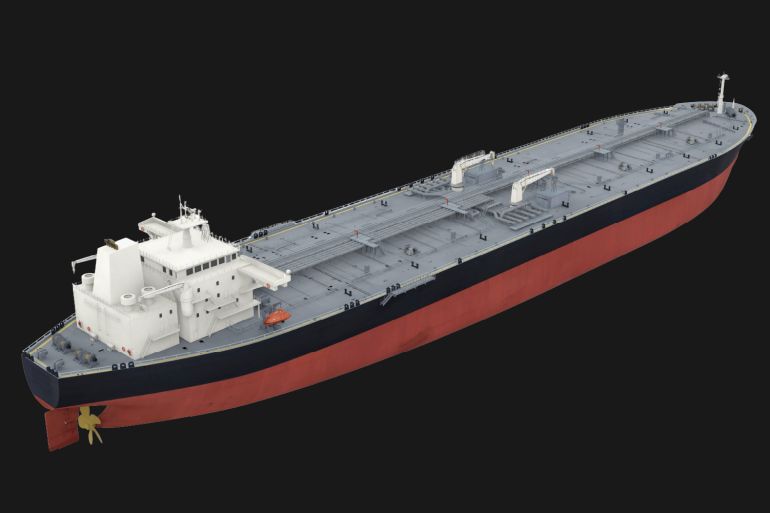
The 206 million barrels of Gulf oil lost since the war’s inception would be enough to fill approximately 103 Very Large Crude Carriers (VLCCs), which are the workhorse supertankers of the global energy trade.
VLCCs are among the largest and heaviest vessels on the ocean, designed to transport about two million barrels of crude across the world’s seas. Only Ultra Large Crude Carrier (ULCC) vessels are larger, boasting a carrying capacity of three million barrels.
ULCCs are less common than VLCCs due to their depth of at least 24 meters (80 feet), which renders them too deep to navigate most of the world’s waterways and global ports.
How Big Are Very Large Crude Carriers?
To provide perspective, a single VLCC extends nearly 330 meters (1,080 feet) in length, almost matching the height of the Eiffel Tower in Paris.
While some cruise ships are technically longer, VLCCs are the largest in terms of displacement and weight-carrying capacity.
VLCCs typically measure 50-60 meters (164-197 feet) in width and, when fully loaded, have a draft of 20-22 meters (66-72 feet).
How Much Petrol Can One Barrel of Oil Produce?
A barrel of crude oil contains 159 liters or 42 US gallons.
Once refined, a barrel typically yields about 73 liters (19.36 gallons) of petrol or gasoline, with the remaining volume producing diesel, jet fuel, and other petroleum products.
To put this into more practical terms, if you drove a pick-up truck averaging 24 miles per gallon (or 10 liters per 100km), one barrel of crude oil would power you for approximately 730 km or 450 miles. This is roughly the distance from New York City to Cleveland, Ohio.
How Much Is 206 Million Barrels of Oil Worth?
Crude oil is graded by its thickness and sulfur content. Oil with a low sulfur amount is known as sweet crude and is more valuable due to requiring less refinement.
The global benchmark is known as Brent crude, extracted from the North Sea between the United Kingdom and Norway. West Texas Intermediate (WTI), sourced from Texas, serves as the US benchmark.
Oil is traded as a global commodity, meaning any disruption can trigger a ripple effect regardless of a country’s actual source of oil.
For much of the war, oil traded above $100 per barrel, reaching a peak of nearly $128 on April 2.
Before the US-Israel war on Iran commenced on February 28, the average price of Brent crude was approximately $65 per barrel.
The graphic below illustrates the value of 206 million lost export barrels at various oil price points.
#IranWar #OilCrisis #GlobalEnergy #StraitOfHormuz #CrudeOil #OilPrices #EnergySecurity #EconomicImpact #ShippingCrisis #MiddleEast
Empty Ships and Shut Wells: Why the Iran War Oil Crisis Isn’t Over Yet




Leave a Reply