

The United States has initiated a naval blockade of maritime traffic entering and exiting Iranian ports. US forces have stated their intention to intercept or turn back vessels traveling to or from Iran’s coast. Washington clarifies that ships originating from or destined for other locations will be permitted to traverse the Strait of Hormuz, a crucial waterway off Iran’s coast that Tehran effectively closed in response to US-Israeli strikes. The US plans to leverage its naval fleet to control access to Iranian ports, thereby restricting Tehran’s ability to profit from oil exports, in an effort to exert pressure on the country. This development follows the failure of negotiators from both sides to reach a deal to end the war, which commenced on February 28 but is currently under a two-week ceasefire.
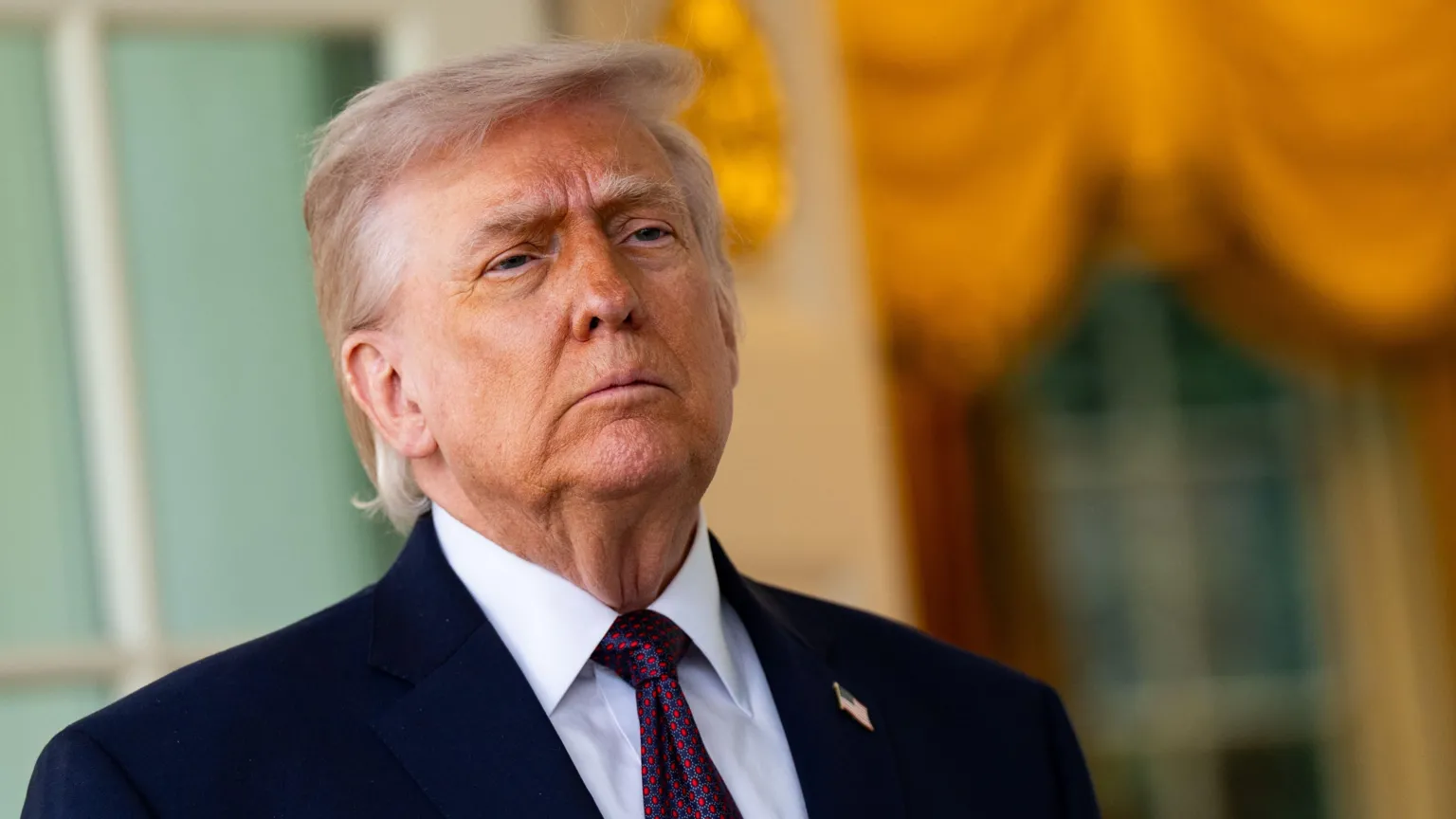
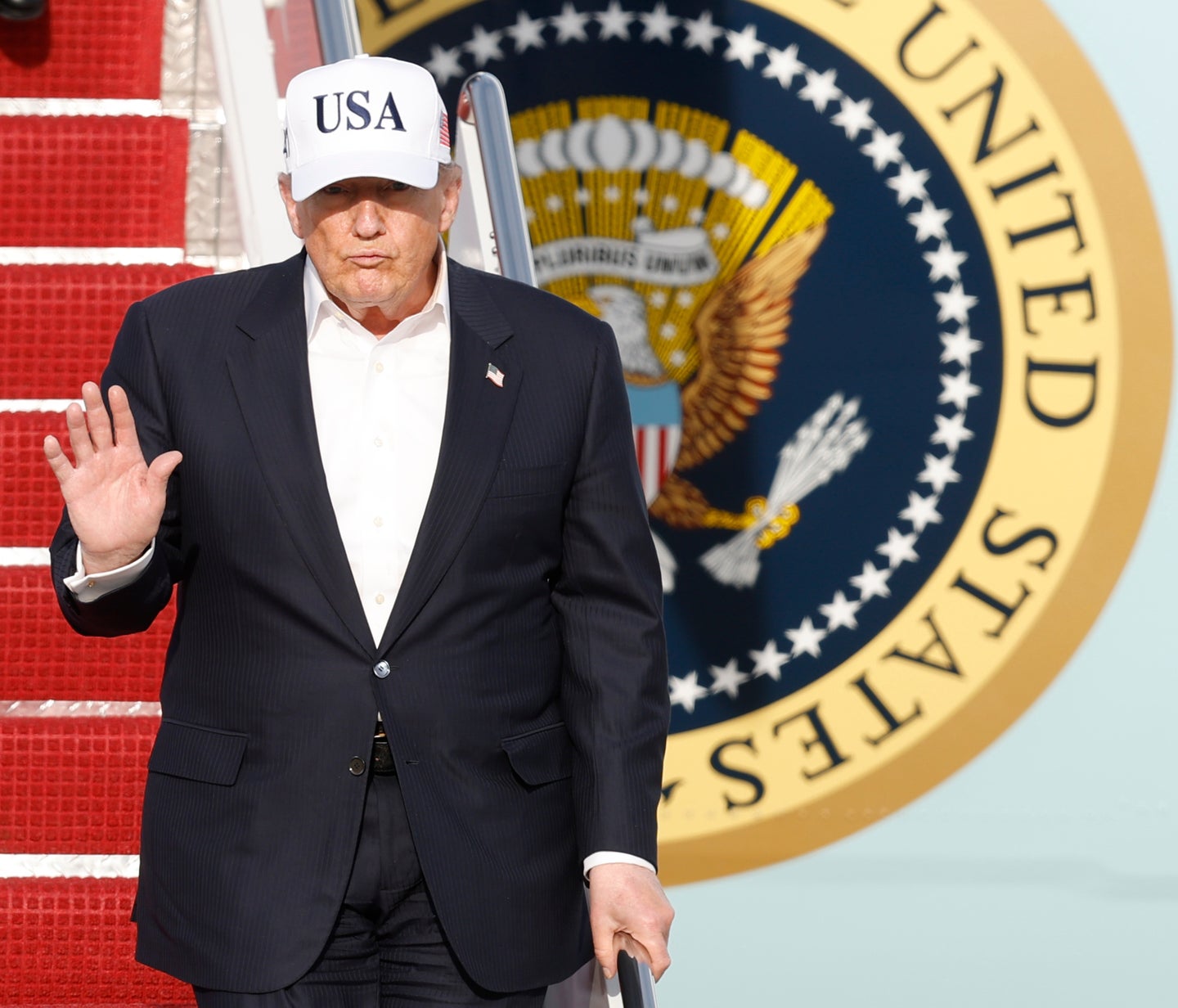
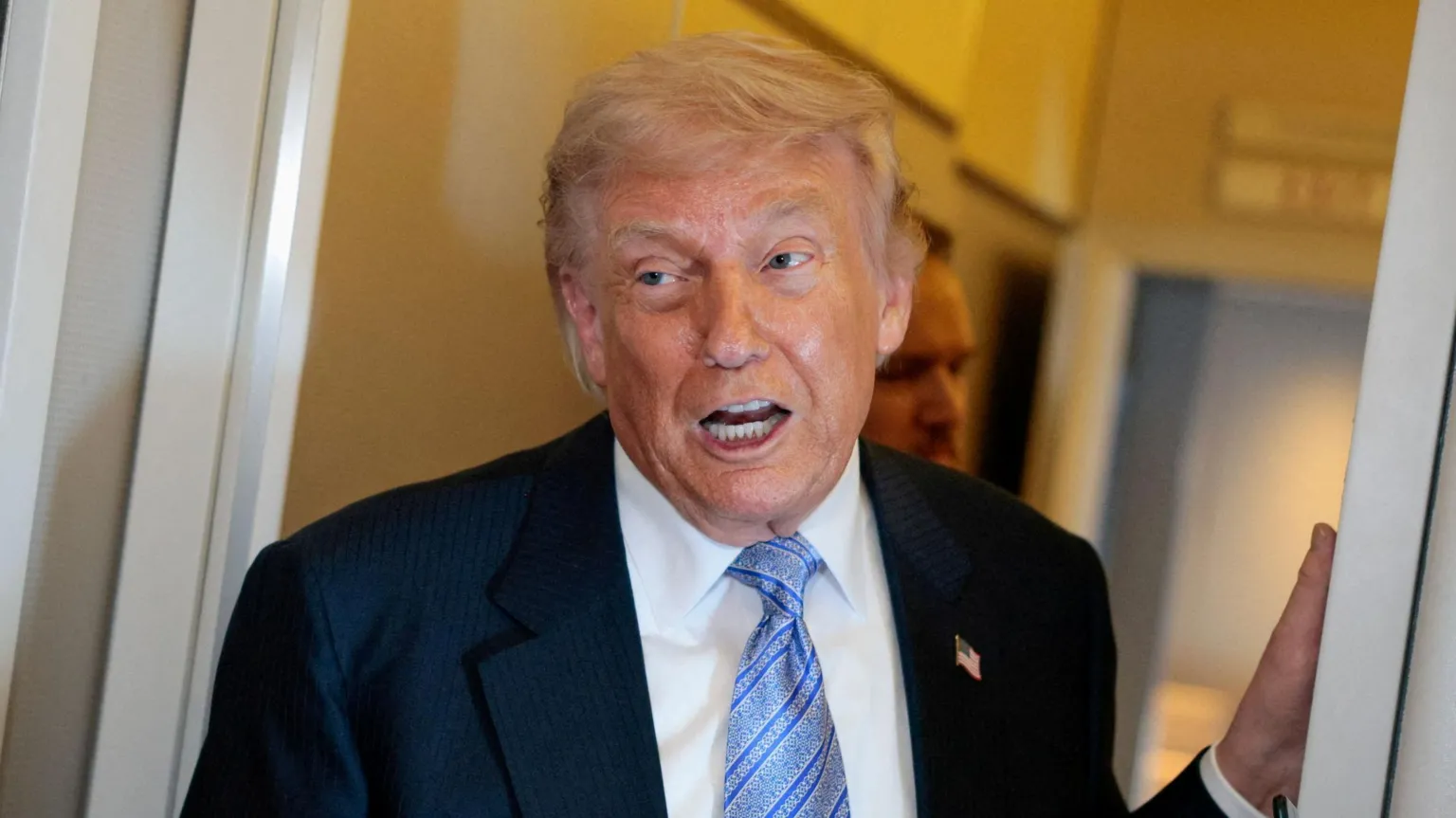
Former President Trump’s decision to blockade Iranian ports aims to pressure Iran by targeting two key economic drivers: the substantial tolls it was demanding from ships passing through the Strait of Hormuz, and its oil revenue. The former US president told Fox News that “we’re not going to let Iran make money on selling oil to people that they like and not people that they don’t like,” stating the objective was instead to allow “all or nothing” to pass through the critical shipping channel. Iran has condemned the blockade as “piracy” and threatened retaliation by targeting ports in the Gulf states.
According to the BBC’s security correspondent Frank Gardner, the blockade carries two primary risks: a renewed surge in oil and gas prices, and the potential collapse of the ceasefire, leading to a full-scale resumption of war between the US and Iran, which could also impact regions like Dubai, Bahrain, Kuwait, and Saudi Arabia.
The US Navy Commander’s handbook on naval operations law from 2022 defines a blockade as a “belligerent operation to prevent vessels and/or aircraft of all states, enemy and neutral, from entering or exiting specified ports, airfields, or coastal areas belonging to, occupied by, or under the control of an enemy state.” However, the UN’s maritime agency, the International Maritime Organisation (IMO), has asserted that no country possesses a legal right to block shipping in straits utilized for international transit. Secretary-General Arsenio Dominguez told the BBC, “I do understand there is a conflict going on there, but there is still no legal basis in international law to take any actions to block any strait used for international navigation.” Conversely, Donald Rothwell, a professor of international law at the Australian National University, noted that international law would classify the US, Israel, and Iran as ‘belligerents’ rather than ‘neutrals’. He wrote, “This means the US, as a belligerent, can legitimately impose a blockade under international law – specifically, the law of naval warfare.”
The precise locations of deployed US Navy ships are not publicly disclosed, making it challenging to ascertain exactly where the US intends to intercept vessels. However, the US military is unlikely to position its warships close to Iran’s coast due to the risk of missile and drone attacks. Instead, the blockade’s focus is anticipated to be around the Gulf of Oman, a vital transit point for a significant portion of the world’s oil, including Iranian exports. US forces are expected to utilize satellite and commercial intelligence to monitor ships departing Iranian ports, waiting for them to sail into the open Indian Ocean before interception. US Central Command (Centcom) has reported that over 12 warships and more than 100 fighter and surveillance aircraft are involved in the blockade. Satellite imagery from April 11, analyzed by BBC Verify, shows the USS Abraham Lincoln aircraft carrier positioned at the eastern edge of the Gulf of Oman, approximately 200km (124 miles) south of the Iranian coast. This marks the closest BBC Verify has observed the nuclear-powered warship to the Gulf since the war began. Two other nearby warships visible in the imagery are consistent in size and shape with US Navy guided-missile destroyers, likely part of the Lincoln’s carrier strike group, though their exact identities remain unconfirmed by BBC Verify.
As of now, there have been no confirmed interceptions or seizures of vessels by the US. US Central Command (Centcom) has stated it would permit the passage of humanitarian shipments, including food, medical supplies, and other essential goods, subject to inspection. While forces have previously used helicopters to rappel onto oil tankers accused of illegal operations in the Caribbean, the US military has provided limited details on how operations will be conducted in the Gulf. Former President Trump has also indicated that the US will commence destroying mines he accuses Iran of having laid in the strait, adding that “at some point” an agreement on free passage will be reached. In an update on Tuesday, Centcom claimed that six merchant vessels were asked to turn around and re-enter an Iranian port in the Gulf of Oman. Ship tracking data analyzed by BBC Verify suggests that two Iran-linked vessels that transited the Strait of Hormuz have since altered course and appear to be returning. It is possible these ships have been broadcasting false position reports, known as “spoofing,” to conceal their locations.
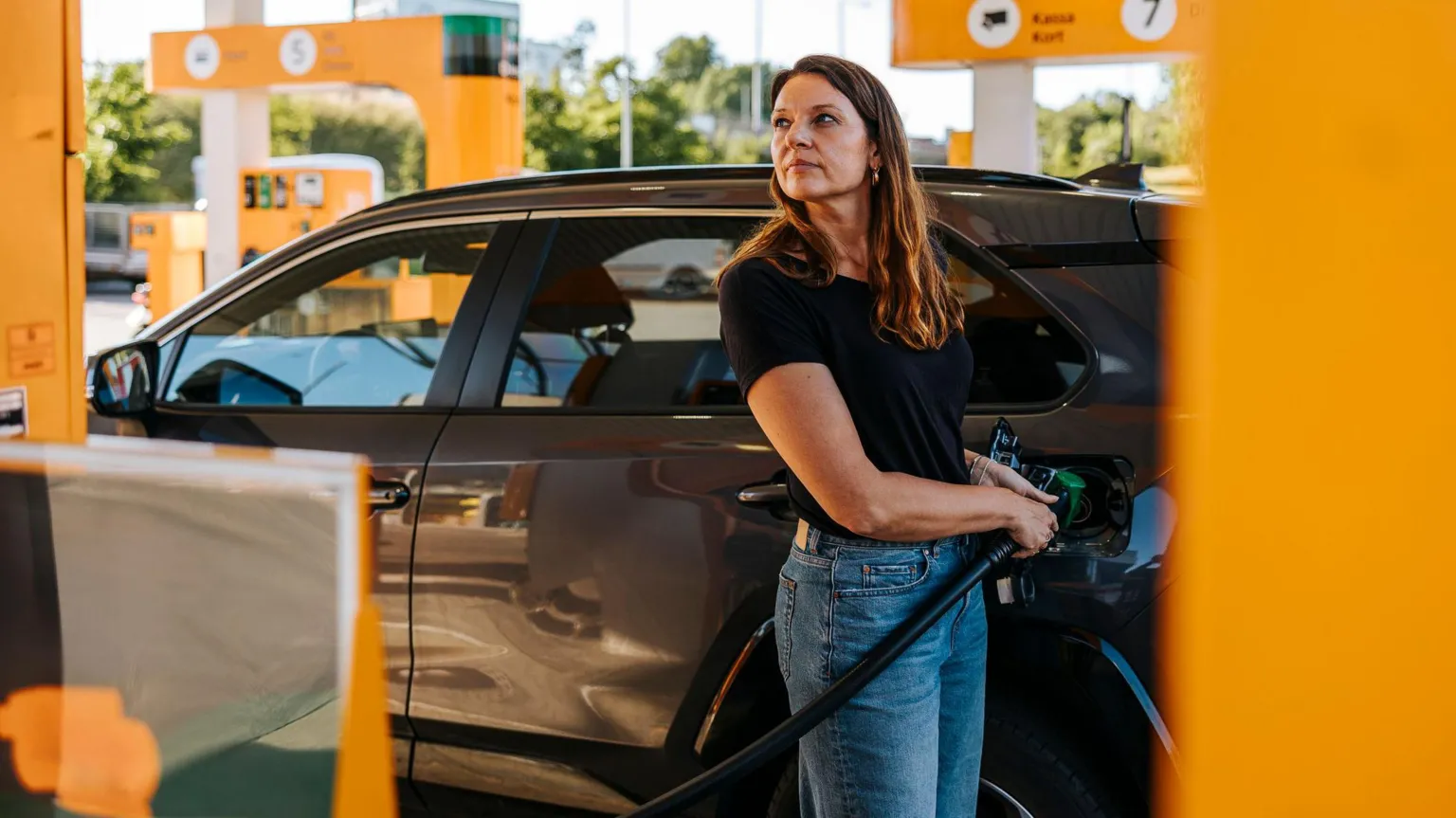
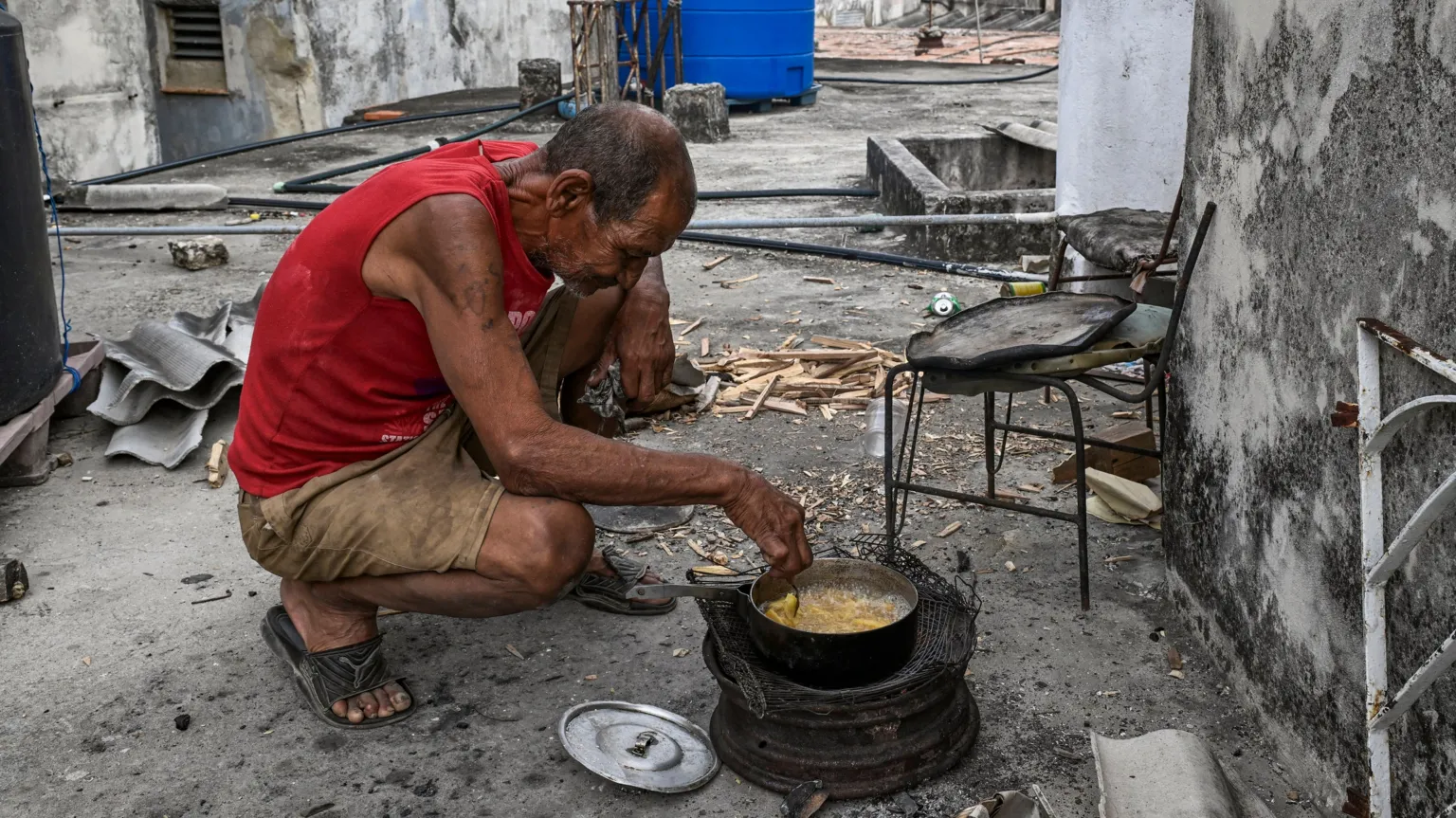
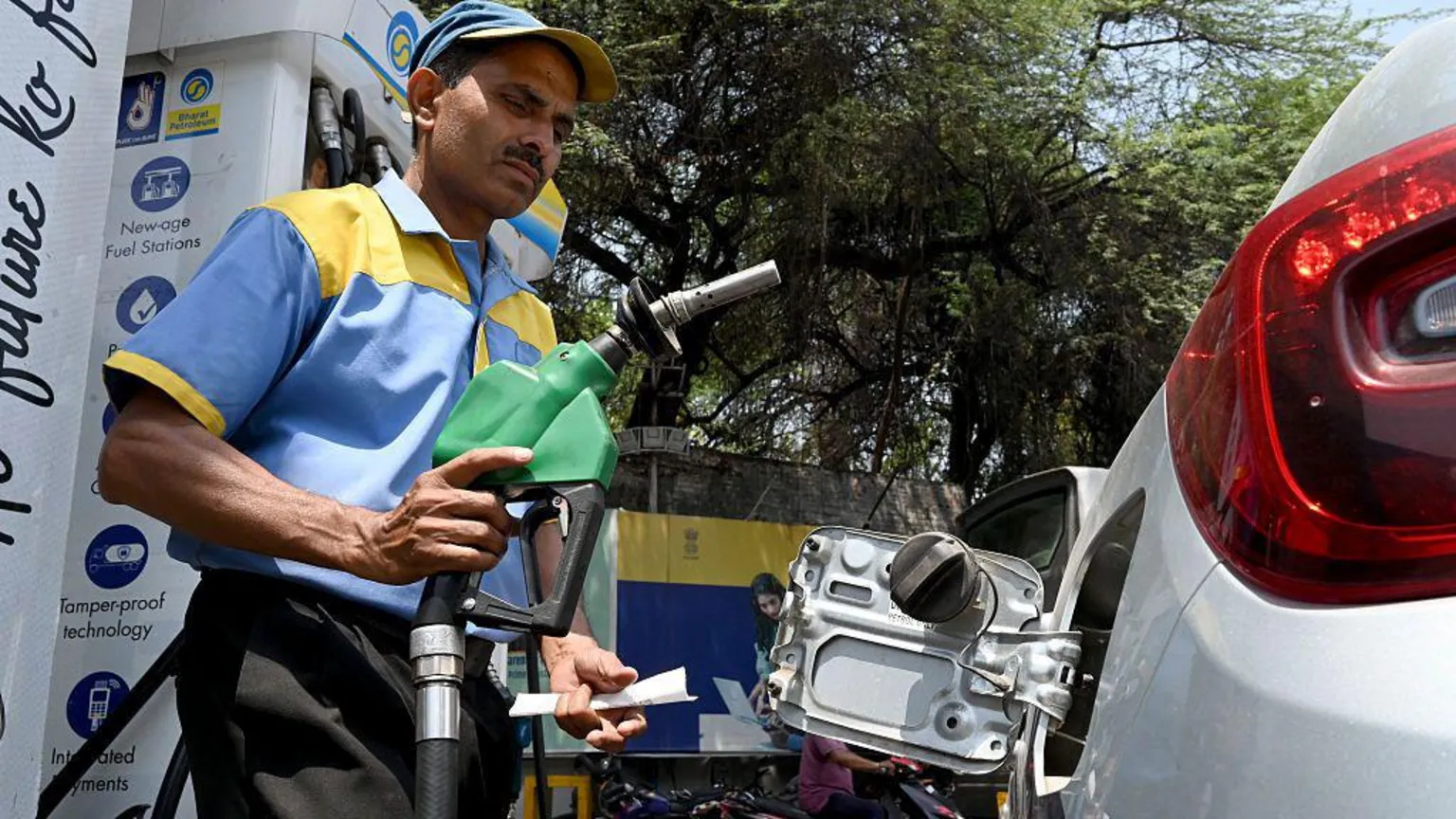
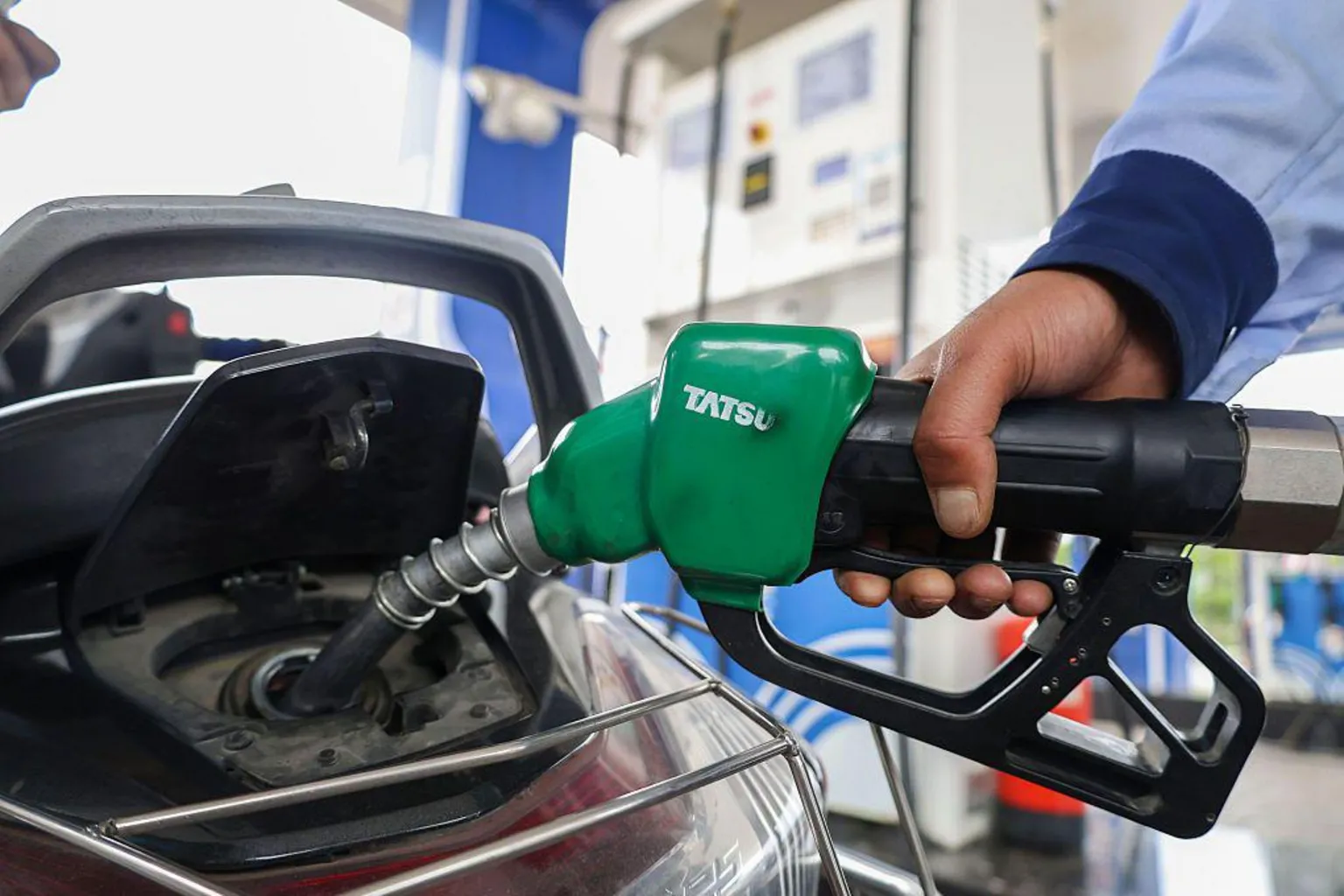
The effective closure of the Strait of Hormuz, through which a fifth of the world’s energy shipments pass, has caused oil prices to surge. Despite this, Iran has continued exporting its own oil, capitalizing on the high prices. March recorded the fifth largest month for oil exports from Iran over the past year and a half. The blockade could also have significant consequences for Iran’s oil customers. In 2022, approximately 82% of crude oil and other fossil fuels exiting the Strait of Hormuz were bound for Asian countries, according to the US Energy Information Administration (EIA). China alone is estimated to purchase around 90% of Iran’s oil exports. On Tuesday, China’s foreign ministry labeled the US blockade “dangerous” and “irresponsible.” Analysts suggest the blockade may be intended to compel Beijing to become more actively involved in peace talks. A prolonged blockade could further harm the global economy, driving up petrol and food prices, and limiting access to critical materials such as aluminum, helium, and feedstocks for fertilizers. The International Monetary Fund (IMF) warned on Tuesday that the global economy faces a risk of recession if the war persists and high energy prices endure. The Fund also stated that the war’s energy shock would impact the UK most severely among advanced economies. Civilians in Iran could also be affected, as the country relies on grain and wheat imports, potentially leading to food security issues.
The Strait’s geography has allowed Iran to use it as leverage throughout this conflict, employing threats to selectively prevent vessels from traversing the narrow waterway. Typically, about 3,000 ships sail through the strait each month, but this number dramatically decreased to just a handful daily during recent hostilities. The strait is also a vital channel for imports to the Middle East, including food, medicines, and technological supplies. This disruption has triggered a fuel crisis in Asia, a region heavily dependent on Middle Eastern oil. Governments have responded by ordering employees to work from home, shortening the working week, declaring national holidays, and closing universities early to conserve supplies. The Strait of Hormuz is a narrow body of water situated between Iran, the United Arab Emirates (UAE), and Oman. This waterway, approximately 21 miles (33 km) at its narrowest point, connects the Persian Gulf to the Gulf of Oman, making it a critical global shipping route. About 20% of the world’s oil and liquefied natural gas typically transits through the Strait of Hormuz. This oil originates not only from Iran but also from Gulf states such as Iraq, Kuwait, Qatar, Saudi Arabia, and the UAE. In 2025, an estimated 20 million barrels of oil passed through the waterway daily, according to the US Energy Information Administration (EIA) – representing nearly $600 billion (£447 billion) worth of energy trade annually. Sea traffic has been significantly reduced since the war began.
Prime Minister Sir Keir Starmer has stated that UK forces will not be involved in enforcing the blockade. While UK minesweepers and anti-drone capabilities will continue operating in the region, British naval ships and soldiers will not be used to block Iranian ports. Former President Trump claimed that other countries would participate in blockading the strait but did not specify which ones. Trump also told Fox News that NATO had offered to help “clean out” the strait, adding that it would be free to use again “in not too long.”
#USBlockade #StraitOfHormuz #IranSanctions #OilPrices #Geopolitics #MiddleEastConflict #NavalWarfare #InternationalLaw #EnergySecurity #GlobalEconomy

Leave a Reply