

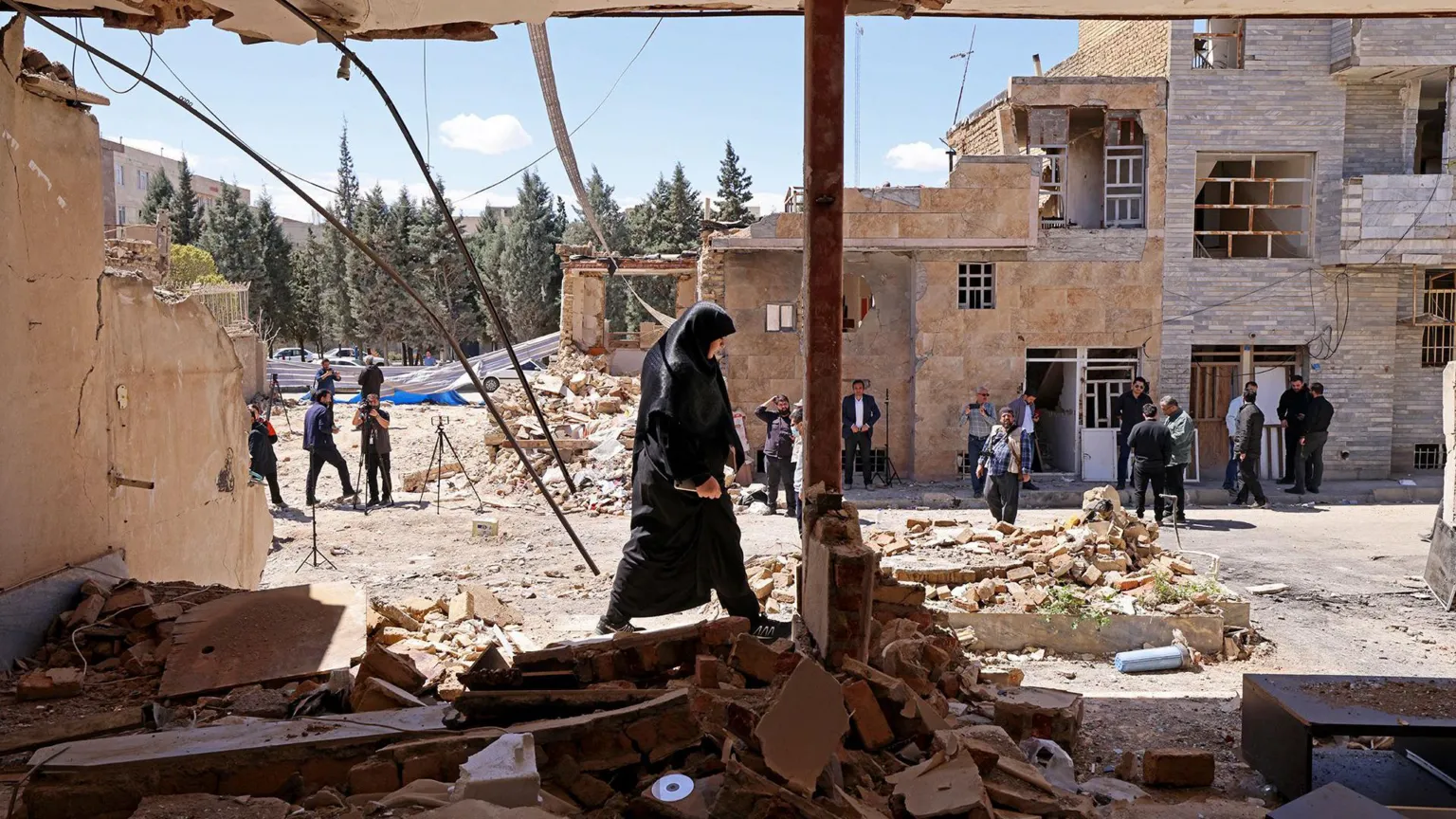
Iran and the US have agreed to a conditional two-week ceasefire, allowing shipping traffic through the Strait of Hormuz during this period. This agreement follows more than a month after coordinated attacks on Iran by the US and Israel, and just hours after US President Donald Trump threatened that “a whole civilisation will die tonight” if Iran did not reopen the Strait. Pakistan’s Prime Minister Shehbaz Sharif, who has been mediating the negotiations, announced early on Wednesday that the ceasefire was effective immediately.
Here’s what is known so far about the deal.
What have the US and Iran stated?
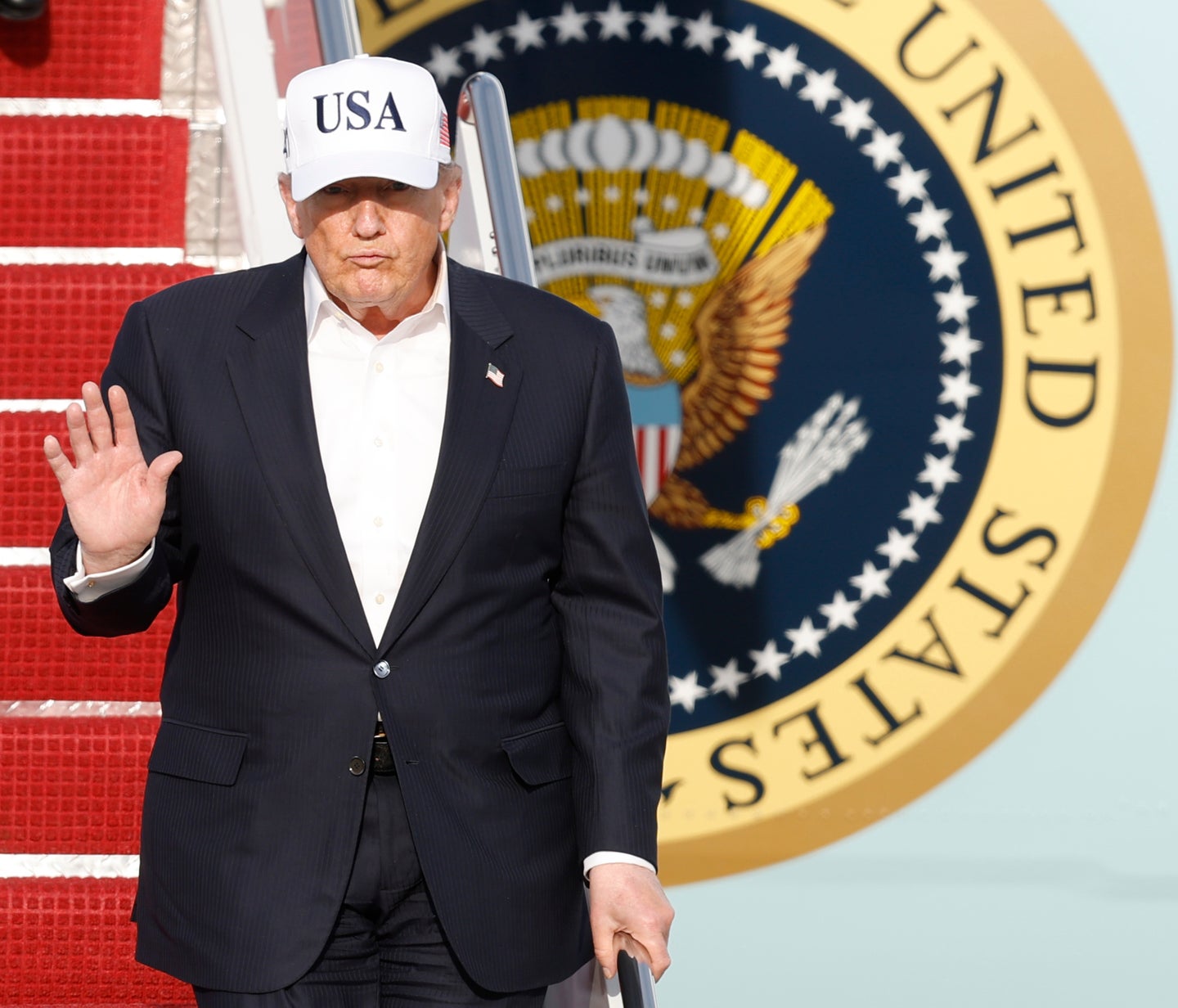
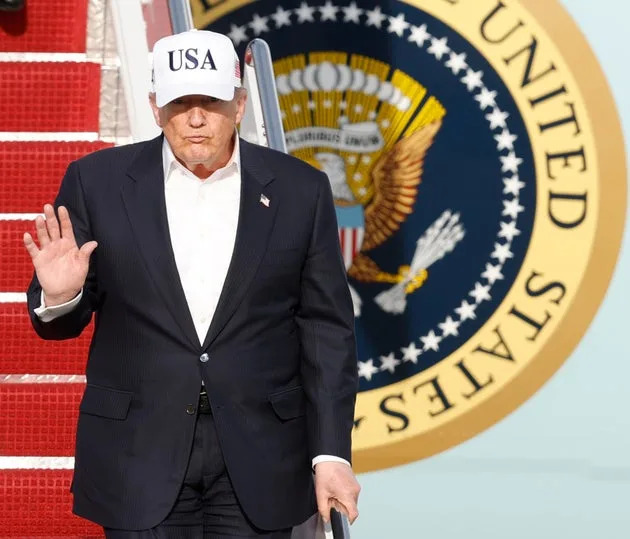
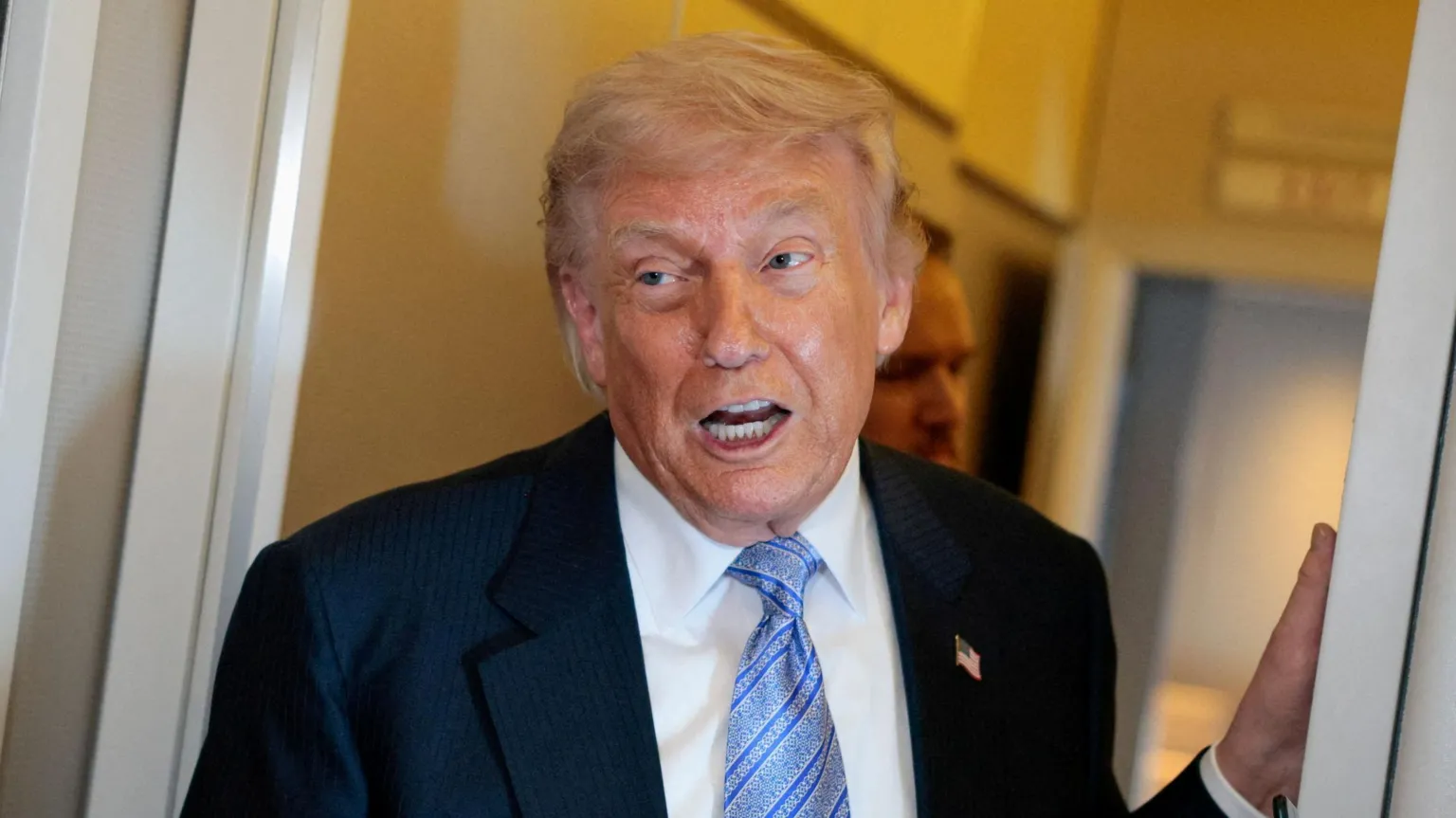
Trump stated he had agreed to “suspend the bombing and attack of Iran for a period of two weeks” if Tehran reopens the Strait of Hormuz, a vital shipping route for oil and other exports from the Gulf. In a post on Truth Social, Trump indicated he agreed to the provisional ceasefire because “we have already met and exceeded all military objectives.” This statement followed earlier warnings from Trump that the US could eliminate Iran “in one night” and that “a whole civilisation will die tonight, never to be brought back again” – threats that drew condemnation from UN Secretary General António Guterres and Pope Leo XIV.
Later on Wednesday, Trump mentioned that the US would be working closely with Iran and “talking tariff and sanctions relief.” On his Truth Social platform, he added in a separate post that “a country supplying military weapons to Iran will be immediately tariffed, on any and all goods sold to the United States of America, 50%, effective immediately. There will be no exclusions or exemptions.” US Defence Secretary Pete Hegseth stated that the US military would ensure Iran complies with the ceasefire and engages in negotiations for a deal. Troops will “stay put, stay ready, stay vigilant” and be “ready to re-start at a moment’s notice,” he added.
Iran has agreed to permit vessels through the Hormuz Strait for two weeks, with their passage coordinated by the Iranian military. The country has also issued a 10-point plan, which includes, among other things, the complete cessation of war in Iran, Iraq, Lebanon, and Yemen; “full commitment” to lifting sanctions on Iran; the release of Iranian funds and frozen assets held by the US; and “full payment of compensation for reconstruction costs” to Iran. It also states, “Iran fully commits to not seeking possession of any nuclear weapons.” “Iran’s victory in the field would also be consolidated in political negotiations,” Tehran’s Supreme National Security Council said in a statement.
According to Sharif, the ceasefire will also take effect in Lebanon, where Israel has been fighting the Iranian-backed armed group Hezbollah. Israel has backed the deal but stated it “does not include Lebanon,” renewing strikes on Wednesday in the Tyre and Nabatieh areas in the south of the country. Trump’s press secretary Karoline Leavitt later also confirmed that Lebanon was not included in the deal. The Iranian Revolutionary Guard Corps (IRGC) promised a “regret-inducing response” if strikes on Lebanon continue.
What has Israel stated?
Sirens sounded in Israel shortly after Trump’s announcement, with the Israel Defense Forces reporting they were intercepting missiles launched from Iran. Several loud booms were heard in Jerusalem late on Tuesday night. A few hours after the ceasefire was confirmed, Netanyahu stated: “Israel supports President Trump’s decision to suspend strikes against Iran for two weeks subject to Iran immediately opening the straits and stopping all attacks on the US, Israel, and countries in the region.” The statement added that the “ceasefire does not include Lebanon,” where Israel has ground troops. It is unclear how involved Netanyahu was in Trump’s decision-making, but at a news conference later on Wednesday, the Israeli leader said the ceasefire came into effect “in full coordination with Israel.” He added: “We have more goals to complete – and we will achieve them either by an agreement or by renewing the fighting. We are prepared to return to fighting at any moment necessary. Our finger is on the trigger.”
What’s Next?
Pakistan, which has been mediating the negotiations, has invited the delegations to meet in Islamabad on Friday “to further negotiate for a conclusive agreement to settle all disputes.” Leavitt acknowledged ongoing discussions about in-person talks but stated that “nothing is final until announced by the President or the White House.” She later announced that US Vice President JD Vance would attend the talks, along with the President’s envoy Steve Witkoff and his son-in-law Jared Kushner.
Whatever form they take, negotiations are expected to be very difficult. Strikes appeared to be continuing after the ceasefire, as Kuwait on Wednesday morning reported Iranian attacks that damaged power and desalination plants as well as oil facilities. “Kuwaiti air defenses have been engaging an intense wave of hostile Iranian attacks, dealing with 28 drones targeting the State of Kuwait,” the country’s military said in a statement on X. The US and Iran appear to have contradicting positions on what this ceasefire entails. Iran and the US have held two rounds of talks in the past year, both of which saw military tensions escalate in the middle of negotiations. The leaders of France, Italy, Germany, Britain, Canada, Denmark, the Netherlands, Spain, and the EU welcomed the ceasefire and, in a joint statement, urged a “swift and lasting end” to the war. “We call upon all sides to implement the ceasefire, including in Lebanon,” they said.
#USIranCeasefire #StraitOfHormuz #MiddleEastPeace #Diplomacy #IranNuclearDeal #Geopolitics #InternationalRelations #PakistanMediation #TrumpAdministration #RegionalSecurity


Leave a Reply