


Tankers navigating the Strait of Hormuz are being advised against paying transit fees to Iran. This guidance comes after a recent ceasefire agreement, intended to restore traffic through the vital waterway, failed to fully materialize. The agreement was supposed to include reopening the strait, but Iran has indicated that vessels must seek its permission for passage, warning that ships might otherwise be “targeted and destroyed.” The country has also suggested it could impose a fee in exchange for safe transit through the strait.
Industry Concerns and International Law
Phillip Belcher from Intertanko, a group representing tanker firms, stated, “We do not believe the payment of tolls is the right way to go about this.” He expressed surprise that this was a starting point for negotiations. Belcher emphasized that Intertanko, representing over half of the world’s oil tanker fleet, continues to advise members against using the strait due to ongoing safety concerns, asserting that “an attack could take place at any time.” He added that the strait is not considered safe until there is a lasting cessation of conflict, a halt to all attacks against ships, and some form of international oversight, without Iran having sole sovereignty.
Belcher further highlighted that charging a toll is “against the whole idea of international laws and free passage through international waterways.” He noted that the Strait of Hormuz is currently “under the de facto rule of the Iranian military.”
The Iranian Revolutionary Guard Corps (IRGC), a branch of the Iranian military overseeing much of Iran’s economic activity, has been designated a terrorist organization by the US and the EU. Belcher advised that “the payment of monies to a terrorist organization should be avoided.”
Diplomatic Efforts and Proposed Fees
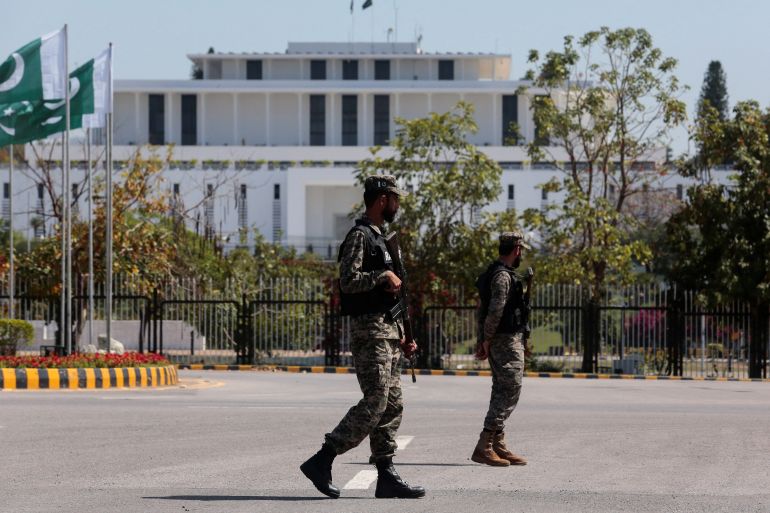
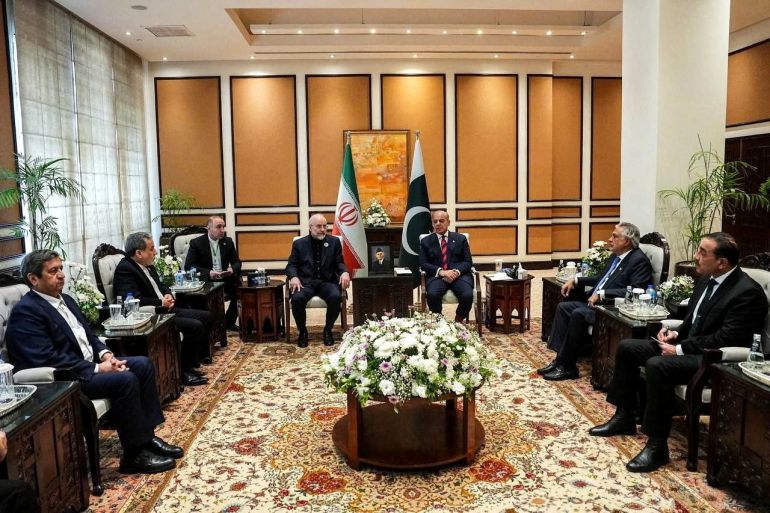
US Vice President JD Vance is scheduled to meet with representatives of the Iranian government in Islamabad, Pakistan, to finalize details of a ceasefire deal. This deal appears to be in jeopardy amidst continued air strikes in Israel and Lebanon and a stalemate over the critical shipping lane.
Media reports have suggested that Tehran’s plan might include demanding transit fees of up to $2 million (£1.5 million) per ship, with proceeds potentially shared between Iran and Oman, the two countries bordering the strait. Earlier, President Trump had suggested a “joint venture” where the US and Iran could levy fees, though he later appeared to backtrack, stating on social media, “They better not be and, if they are, they better stop now.”
International Maritime Organisation’s View
Arsenio Dominguez, Secretary General of the International Maritime Organisation (IMO), the UN agency responsible for shipping safety, affirmed that countries should respect the established right to freedom of navigation. He told the BBC, “International straits in accordance [with] international law are actually for the use of everyone and that’s why no toll restrictions should be imposed.”
Impact on Global Shipping and Trade
The ongoing situation has significantly reduced tanker traffic through the strait. Since Tuesday, only 15 vessels have made the passage, a stark contrast to the average of nearly 140 daily prior to the conflict. This vital waterway typically carries a fifth of the world’s oil and gas supplies. Almost 800 ships, many loaded with cargo, are currently stranded in the Gulf.
A prolonged blockage is expected to have a substantial impact on global supplies of oil, gas, and fertilizer, leading to a worldwide ripple effect on the prices of fuel, electricity, food, and medicines.
Shipping Industry’s Demand for Safety
Erik Hanell, CEO of Swedish tanker firm Stena Bulk, stated that his company would not use the disputed strait until they are “100% certain it was safe for the crews on board.” He emphasized the need for “safety guarantees” and noted the limited information available despite ongoing discussions between the US, shipping communities, and potentially Iran. Hanell confirmed that Stena Bulk would not pay any tolls “as a standalone company” or without official information. He likened paying fees for the Strait of Hormuz to paying to use the English Channel, calling it “not a world we would like to continue with. It’s definitely something we want to avoid in the long term.”
#StraitOfHormuz #MaritimeSecurity #GlobalShipping #Iran #OilTankers #InternationalLaw #FreedomOfNavigation #Geopolitics #EnergyMarkets #TradeRoutes



Leave a Reply