

For over two decades, Iran’s nuclear program has been subjected to intense international scrutiny, sanctions, and diplomatic negotiations. By stark contrast, Israel, widely believed to possess nuclear weapons – an assertion it consistently refuses to deny or confirm – faces little to no international pressure for transparency.
Over the past 10 months, Israel and the United States have reportedly waged two wars on Iran, arguing without evidence that the country was on the verge of having the capacity to build a nuclear weapon. These conflicts – including a 12-day conflict in June last year and a recent month of fighting this year – have reportedly resulted in the deaths of more than 2,600 Iranians and contributed to an unprecedented energy crisis.
This imbalance has led to complaints of double standards from Iran and proponents of nuclear non-proliferation worldwide. Observers note that the differing treatment of Iran and Israel is evident not only in international legal frameworks like the Treaty on the Non-Proliferation of Nuclear Weapons (NPT) but also reflects geopolitical realities and global power dynamics.
So, what is known about Israel’s nuclear arsenal, the scrutiny surrounding Iran’s nuclear program, and why critics argue a double standard is at play concerning the perceived threats from these two long-standing adversaries?
What Do We Know About Israel’s Nuclear Weapons?
It is an “open secret” that Israel is the only country in the Middle East possessing nuclear weapons, despite maintaining decades of opacity on the issue. When questioned about his country’s nuclear capability in a 2018 exchange, Israeli Prime Minister Benjamin Netanyahu stated, “We have always said that we won’t be the first to introduce it, and we haven’t introduced it… It’s as good an answer as you will get.”
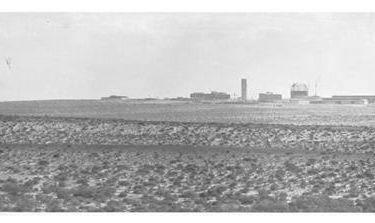
Experts trace the origins of Israel’s nuclear program back to the 1950s under founding Prime Minister David Ben-Gurion, when it began developing nuclear capabilities with foreign assistance, notably from France. The Dimona nuclear facility in the Negev desert has long been suspected of producing plutonium for weapons. According to experts, Israel possesses an estimated 80 to 200 nuclear warheads, though exact figures remain unknown.
Israel’s policy of secrecy faced a significant challenge in 1986 when Mordechai Vanunu, a technician at the Dimona facility, disclosed information and photographs to the United Kingdom’s Sunday Times newspaper. He was subsequently abducted by Israeli agents, tried in secret, and imprisoned for 18 years.
Adding to the lack of clarity is Israel’s refusal to sign the NPT, which came into force in 1970. This means it is not subject to the same international inspections as member states. The NPT is a global agreement aimed at curbing the spread of nuclear weapons, committing to nuclear disarmament, and encouraging the peaceful use of nuclear energy. A total of 191 United Nations member states are signatories, including Iran.
Analyst Shawn Rostker explains that Israel’s policy serves multiple purposes: “Ambiguity is meant to preserve deterrence while avoiding some of the diplomatic, legal and political costs that would come with an open declaration, especially given that Israel is not a party to the NPT and continues to sit outside that framework.” Rostker believes Israel is unlikely to join the NPT in the near future, stating, “A real shift would probably require a much broader regional security arrangement, potentially tied to a Middle East WMD-free zone or a major change in the threat environment, not outside pressure alone.”
Iran’s Nuclear Program: A Different Path?
Iran’s nuclear program began in the 1950s with US support but expanded significantly after the 1979 Islamic revolution. Iran, a signatory to the NPT, has consistently maintained that its nuclear program is for civilian purposes only, such as energy production and medical use.
In 1974, Iran signed a comprehensive safeguards agreement with the International Atomic Energy Agency (IAEA), and since then, it has been regularly monitored by the UN agency. Iran also joined the Joint Comprehensive Plan of Action (JCPOA) in 2015 alongside the US and other nations. Under this agreement, Iran committed to restricting uranium enrichment and subjecting itself to IAEA inspections.
Key provisions of the JCPOA included:
- Capping uranium enrichment at 3.67 percent for 15 years, levels unsuitable for nuclear weapons.
- Reducing centrifuge numbers.
- Allowing extensive monitoring by international inspectors, including 25 years of monitoring of Iran’s uranium mills and mines.
Under the JCPOA, IAEA inspectors, already present in Iran, began daily inspections of the country’s facilities to ensure Tehran adhered to its commitments. They found that it did.
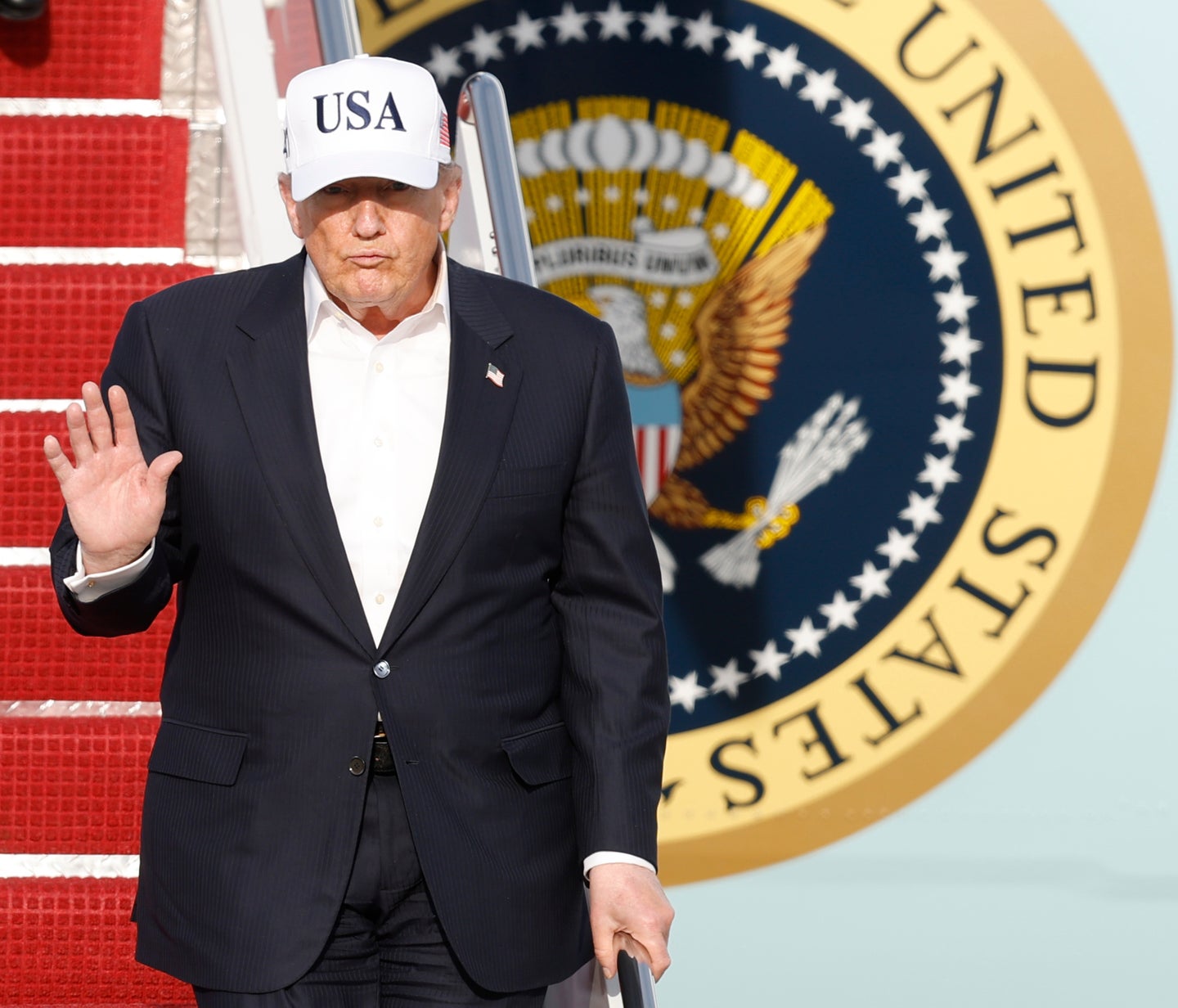
The US, under President Donald Trump, withdrew from the agreement in 2018, despite the IAEA confirming Iran’s compliance up to that point. Iran nevertheless continued to adhere to its JCPOA commitments for one year after the US exited the deal before restarting heightened levels of enrichment.
The US argument for why Iran represents a nuclear weapons threat – that it holds 400kg of 60 percent enriched uranium – is based on a recent IAEA report, underscoring how the UN agency has far greater visibility into Iran’s nuclear program than the world has into Israel’s. Uranium needs to be enriched to levels higher than 90 percent for it to become weapons-grade. The removal of this 60 percent-enriched uranium has been one of the US’s key demands during talks with Iran.
Proof of Iran’s Nuclear Weapons Capacity?
While Israel and the US have claimed for some time that Iran is close to building nuclear weapons, they have not offered any meaningful proof. In a past testimony to Congress, the US director of national intelligence stated that the US “continues to assess that Iran is not building a nuclear weapon and Supreme Leader Khamenei has not authorised the nuclear weapons program he suspended in 2003.”
Iran has long maintained it has no plans to build a nuclear weapon. In 2003, then-Supreme Leader Ayatollah Ali Khamenei publicly announced prohibiting the pursuit of such a weapon, stating it was against Islamic law.
After the US and Israel reportedly launched their latest war on Iran on February 28, the US intelligence community, in a new testimony before Congress, did not believe that Iran had resumed its nuclear program after the bombings of June last year.
Are Different Standards Applied to Israel and Iran?
Palestinian analyst Ahmed Najar is among many experts who assert there is “clearly a double standard” in how Israel’s nuclear program is treated compared with Iran’s, arguing that politics, rather than international norms, drives this disparity. In his view, Israel has been granted an exemption from the global non-proliferation regime due to its role as a Western-aligned power in the Middle East, while Iran’s status as a perceived “foe” invites maximum pressure.
“In that sense, international norms are applied selectively – rigorously enforced in some cases, and quietly set aside in others,” Najar explains. Beyond the political double standard, Najar argues that Israel’s longstanding policy of “nuclear ambiguity” raises deeper concerns about transparency amid the “opacity of Israel’s nuclear doctrine itself.” He adds, “There is ambiguity not only around capability, but around thresholds for use – and that exists without the accountability mechanisms applied elsewhere.”
Najar is pessimistic about any change to this approach without a “broader transformation” of international politics and power dynamics. “As long as strategic interests take precedence over consistent application of international law, Israel’s nuclear posture is likely to remain largely shielded from scrutiny,” he concludes.
#NuclearWeapons #IranNuclearDeal #IsraelNuclear #NPT #IAEA #DoubleStandards #NuclearNonProliferation #MiddleEastSecurity #Geopolitics #InternationalLaw





Leave a Reply