

A Momentous Meeting on the Horizon
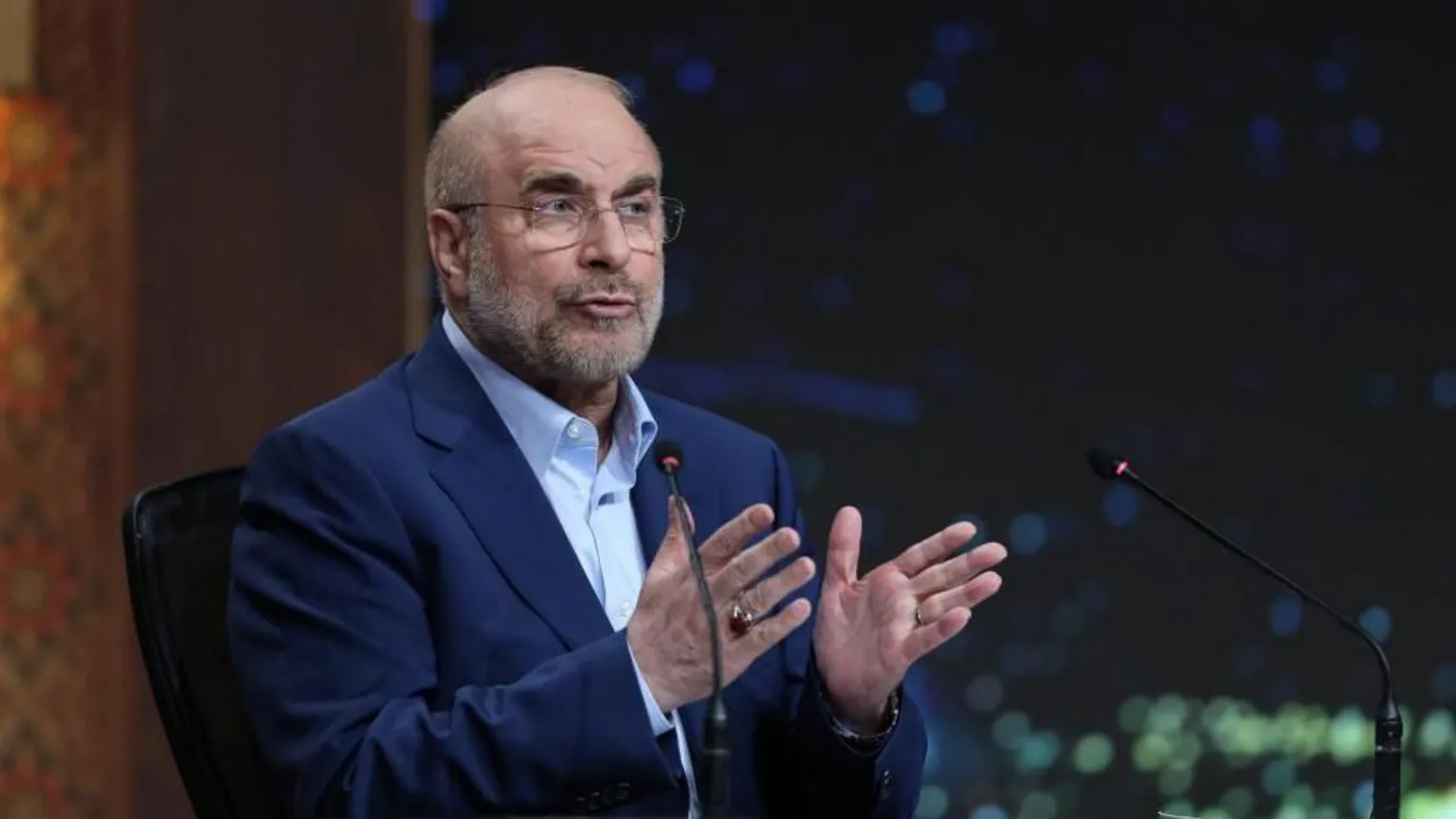
If a photograph emerges this weekend of US Vice-President JD Vance alongside Iran’s Parliamentary Speaker Mohammad Bagher Ghalibaf in Islamabad, it will undoubtedly be a historic image. This potential meeting would represent the highest-level face-to-face discussions between the Islamic Republic of Iran and the United States of America since the 1979 Islamic Revolution, an event that significantly altered their strategic relationship and continues to influence their interactions.
It is anticipated that the two leaders may not display overt warmth, perhaps not even shaking hands. Such a meeting would not instantly resolve the complex and often hostile relationship between the two nations. However, it would signal a mutual desire to de-escalate a conflict with global repercussions, avert further dangerous escalation, and explore diplomatic avenues for a resolution.
Challenges and Hopes for Diplomacy
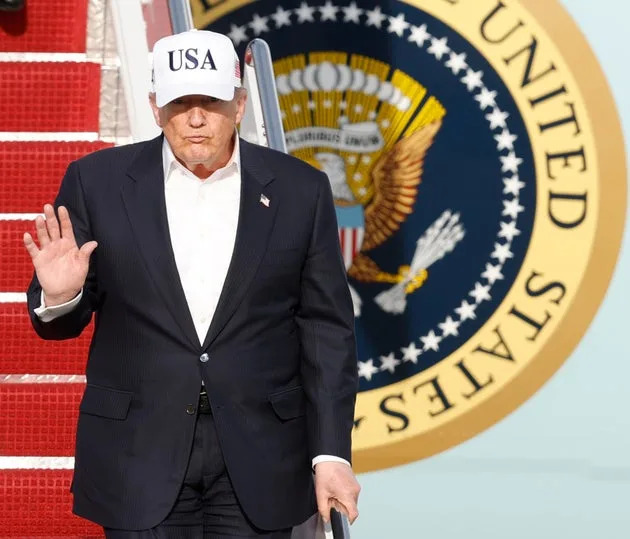
Despite optimistic predictions from US President Donald Trump about a “peace deal” within the current two-week ceasefire – a truce whose terms have been disputed and reportedly violated since its announcement – the path ahead is fraught with challenges. Even as the deadline approached, there was uncertainty regarding Iran’s participation, while Israel maintained its stance against a ceasefire in Lebanon.
Should serious and sustained discussions commence, they would mark the most significant diplomatic push since President Trump withdrew from the previous landmark nuclear agreement in 2018. That deal, a foreign policy achievement of the Obama administration, was characterized by Trump as the “worst deal in history.” Previous high-level engagements, including those between then-US Secretary of State John Kerry and Iran’s then-Foreign Minister Mohammad Javad Zarif, involved extensive rounds of talks over nearly 18 months, experiencing both breakthroughs and setbacks. Subsequent efforts, including during President Joe Biden’s term, yielded limited progress.
Ali Vaez of the International Crisis Group, a long-time observer of these dynamics, suggests that the involvement of senior officials and the high stakes for all parties could open new possibilities. However, he cautions that the current environment is “exponentially harder,” with significant gaps and profound distrust persisting between the two sides. This distrust is particularly pronounced for Tehran, especially after previous negotiation attempts in June 2025 and February of this year were disrupted by the onset of a US-Israeli conflict.
Contrasting Negotiating Approaches
The negotiating styles of the two nations are notably different. The US approach, under President Trump, has involved special envoys like Steve Witkoff and Jared Kushner. Iran, however, has expressed a preference for engaging with officials holding formal positions within the US administration, specifically requesting Vance, who is perceived as a strong skeptic of the current military campaign within Trump’s team. Iran has also emphasized indirect negotiations, often facilitated by Oman, a trusted mediator.
While some direct conversations reportedly occurred during indirect exchanges in Geneva in February, conservative factions within Iran, wary of this diplomatic track, are believed to have constrained negotiators. The contrast with negotiations a decade ago is stark; those discussions involved strong contingents of experienced diplomats and experts from both sides, bolstered by senior European diplomats and foreign ministers from other permanent members of the UN Security Council.
Recent rounds in February saw progress with the technical assistance of International Atomic Energy Agency (IAEA) head Rafael Grossi and seasoned international mediators. They reportedly narrowed some gaps, particularly on the nuclear file, where Iran offered new concessions, including the dilution of highly enriched uranium, before hostilities resumed.
Evolving Security Calculus and Demands
The recent hostilities have fundamentally altered the security calculations for all parties. Even prior to this conflict, some voices within Iran’s security establishment advocated for the development of a nuclear capability. Iran is now expected to insist on retaining its ballistic missile arsenal for self-defense and maintaining influence over the Strait of Hormuz, which provides significant leverage and a vital economic lifeline.
Conversely, most Gulf states, who initially opposed the 2015 nuclear deal but later pursued cautious rapprochement with Iran, are now demanding that missile attacks on their territories be addressed in negotiations. Israel, particularly Prime Minister Benjamin Netanyahu, is expected to actively ensure that its deep-seated concerns regarding Iran’s regional activities are thoroughly addressed.
Echoes of the Past, Hopes for the Future
This moment resonates with a historic period thirteen years ago when Iran’s late Supreme Leader Ayatollah Ali Khamenei reluctantly authorized intensified nuclear talks with the US, a policy termed “heroic flexibility.” Despite his distrust of the US, Iran’s then-newly elected reformist president, Hassan Rouhani, convinced him that severe economic pressures necessitated diplomatic engagement to lift international sanctions.
Today, Mojtaba Khamenei, who assumed a leadership role after his father’s passing, has reportedly given approval for Iranian negotiators to meet US envoys in Islamabad. However, the extent of his involvement and authority remains unclear, especially given the influence of powerful conservative institutions like the Islamic Revolutionary Guard Corps. Iran’s economy faces a deeper crisis, and the nation has experienced significant internal dissent following widespread protests earlier this year.
President Trump has asserted that the recent six weeks of conflict achieved “regime change” and describes Iran’s new leadership as “less radical, much more reasonable.” As a moment of truth approaches for all sides, it is worth noting that thirteen years ago, initial statements also highlighted the significant distance between the two parties. At that time, Iran demanded recognition of its right to enrich uranium, a demand the US rejected due to suspicions of nuclear weapon ambitions. Currently, the US appears open to recognizing this right, provided no enrichment occurs within Iran. History may not repeat itself precisely, but its themes often echo.
#VanceGhalibafTalks #IranUSDiplomacy #IslamabadSummit #MiddleEastPeace #NuclearNegotiations #Geopolitics #InternationalRelations #CeasefireTalks #RegionalSecurity #DiplomaticEfforts


Leave a Reply