

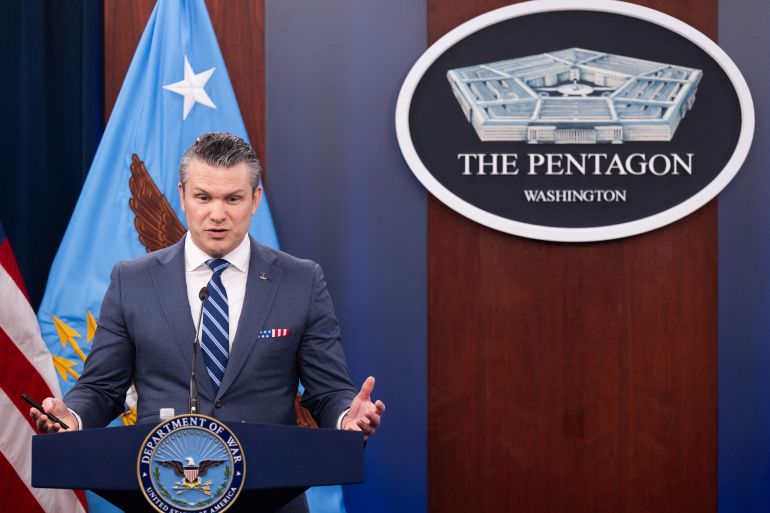
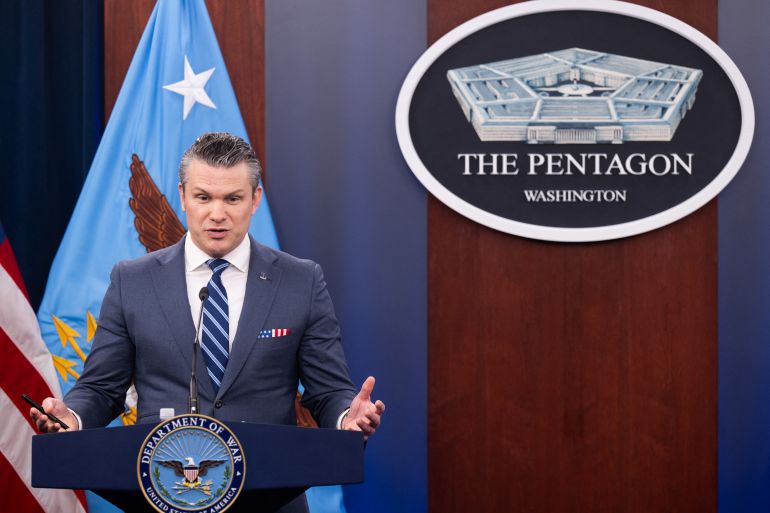
US Defense Secretary Pete Hegseth announced that the **military blockade of Iranian ports would persist indefinitely**, stating that Washington was prepared for potential attacks on Iran’s energy infrastructure.
Hegseth’s remarks on Thursday came amidst a fragile ceasefire, which began last week. The blockade of Iran’s ports in the Strait of Hormuz and the Gulf was initially declared by President Donald Trump on Monday, following the breakdown of US-Iran negotiations in Pakistan.
The Defense Secretary adopted an assertive stance, emphasizing that the US is closely monitoring Iran’s military activities during the current pause in hostilities, which is expected to last until early next week.
Hegseth asserted, “**We are rearming with unprecedented power and, more crucially, with superior intelligence.**” He further warned, “As your movements become visible to our surveillance, **we are prepared to target your critical dual-use infrastructure, remaining power generation, and energy sector.**”
Despite the strong rhetoric, the Pentagon chief also expressed a preference for a diplomatic resolution to the conflict, which originated from US-Israeli attacks on Iran on February 28. He urged Iran to “choose a prosperous future, a golden bridge,” expressing hope for the Iranian people. He reiterated that the blockade would continue, but warned that if Iran makes “poor choices,” it would face both the blockade and airstrikes on its infrastructure, power, and energy facilities.
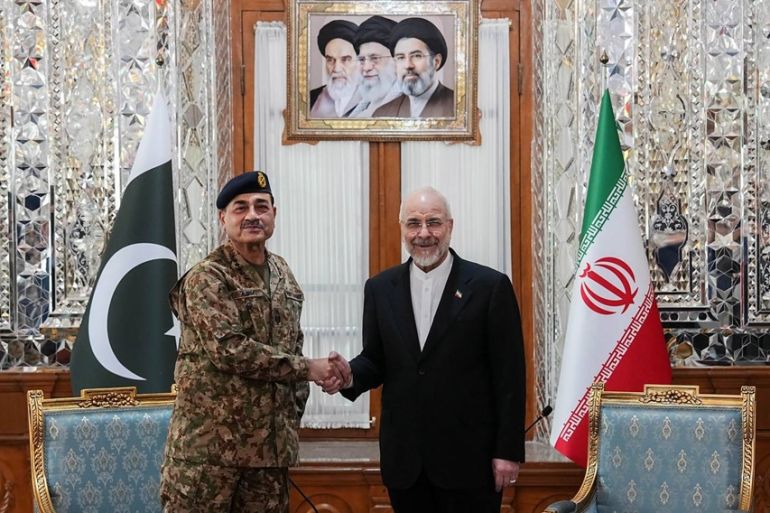
Meanwhile, a Pakistani delegation arrived in Tehran on Wednesday to facilitate a new round of discussions. While both the US and Iran have signaled openness to further negotiations, Major-General Ali Abdollahi, commander of the IRGC’s Khatam al-Anbiya Central Headquarters, cautioned that the US blockade could jeopardize the ongoing ceasefire.
White House spokesperson Karoline Leavitt, however, conveyed a positive outlook regarding future talks. She stated, “At this moment, **we remain very much engaged in these negotiations, in these talks.**”
However, Al Jazeera’s Ali Hashem, reporting from Tehran on Thursday, highlighted persistent deep-seated distrust. He noted that previous US attacks on Iran under the Trump administration, occurring during indirect talks on Iran’s nuclear program, have significantly impacted the current diplomatic efforts. Hashem observed, “While several messages have been conveyed to the Iranians, instead of fostering trust and optimism, **it appears that confidence has already been undermined.**” He added that a platform linked to Iran’s foreign ministry had tweeted, quoting a source who described media optimism as “hype,” primarily for public relations and President Trump’s market leverage.
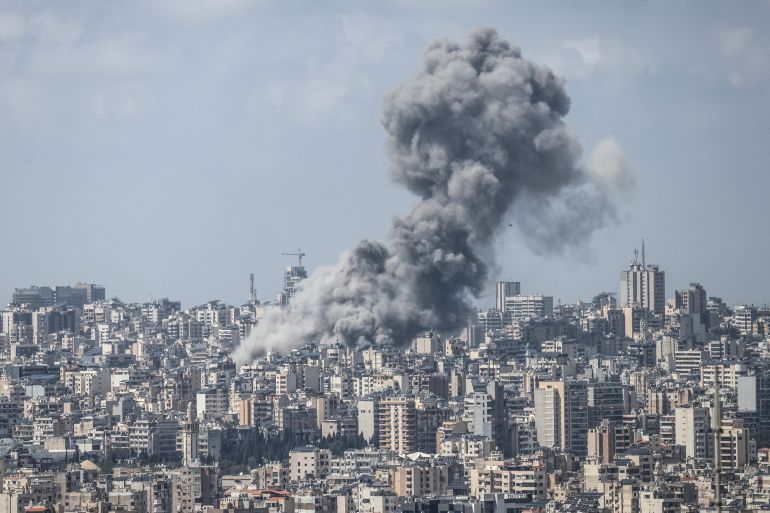
Separately, Iran’s Parliament Speaker Mohammad Bagher Ghalibaf, who headed the Iranian delegation in the talks, informed his Lebanese counterpart on Thursday that a ceasefire in Israel’s ongoing invasion and bombardment of Lebanon is considered “**as important**” as the current pause in fighting within Iran. Securing Israel’s agreement to a Lebanon ceasefire has emerged as a key obstacle in the negotiations, which also encompass issues like control of the Strait of Hormuz and the future of Iran’s nuclear program.
‘We Will Use Force’
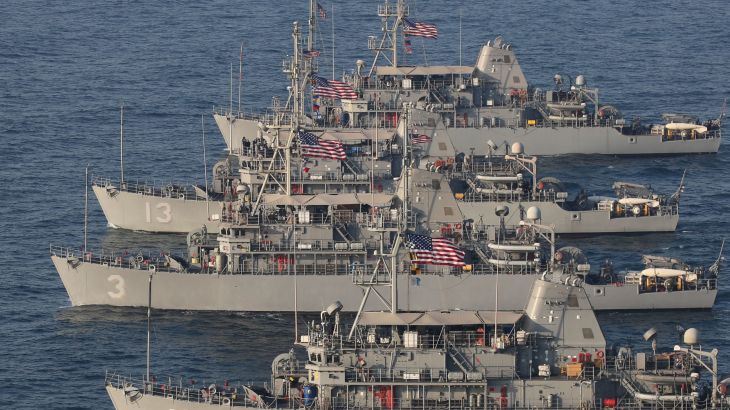
During the news conference, General Dan Caine, Chairman of the Joint Chiefs of Staff, reported that 13 ships attempting to depart Iranian ports had reversed course following US military warnings. Caine explicitly stated, “**If you do not comply with this blockade, we will use force.**”
Admiral Brad Cooper, head of US Central Command (CENTCOM), added that the US is utilizing the current conflict to rearm and reposition its forces. He emphasized, “**We’re rearming, retooling, and adjusting our tactics, techniques, and procedures.** No military in the world adapts like we do, and that’s precisely what we’re doing during this ceasefire.”
Responding to questions, Hegseth dismissed reports of China planning to supply weapons to Iran during the ceasefire, stating that Washington had received assurances from Beijing to the contrary.
Hegseth also dedicated a significant part of the news conference to criticizing US media coverage of the war, particularly its critiques of the Trump administration’s evolving objectives and justifications for the conflict. He labeled such coverage as “**incredibly unpatriotic.**”
#USIranTensions #IranBlockade #StraitOfHormuz #MiddleEastDiplomacy #EnergySecurity #MilitaryBlockade #CeasefireTalks #Geopolitics #InternationalRelations #PentagonBriefing


Leave a Reply