


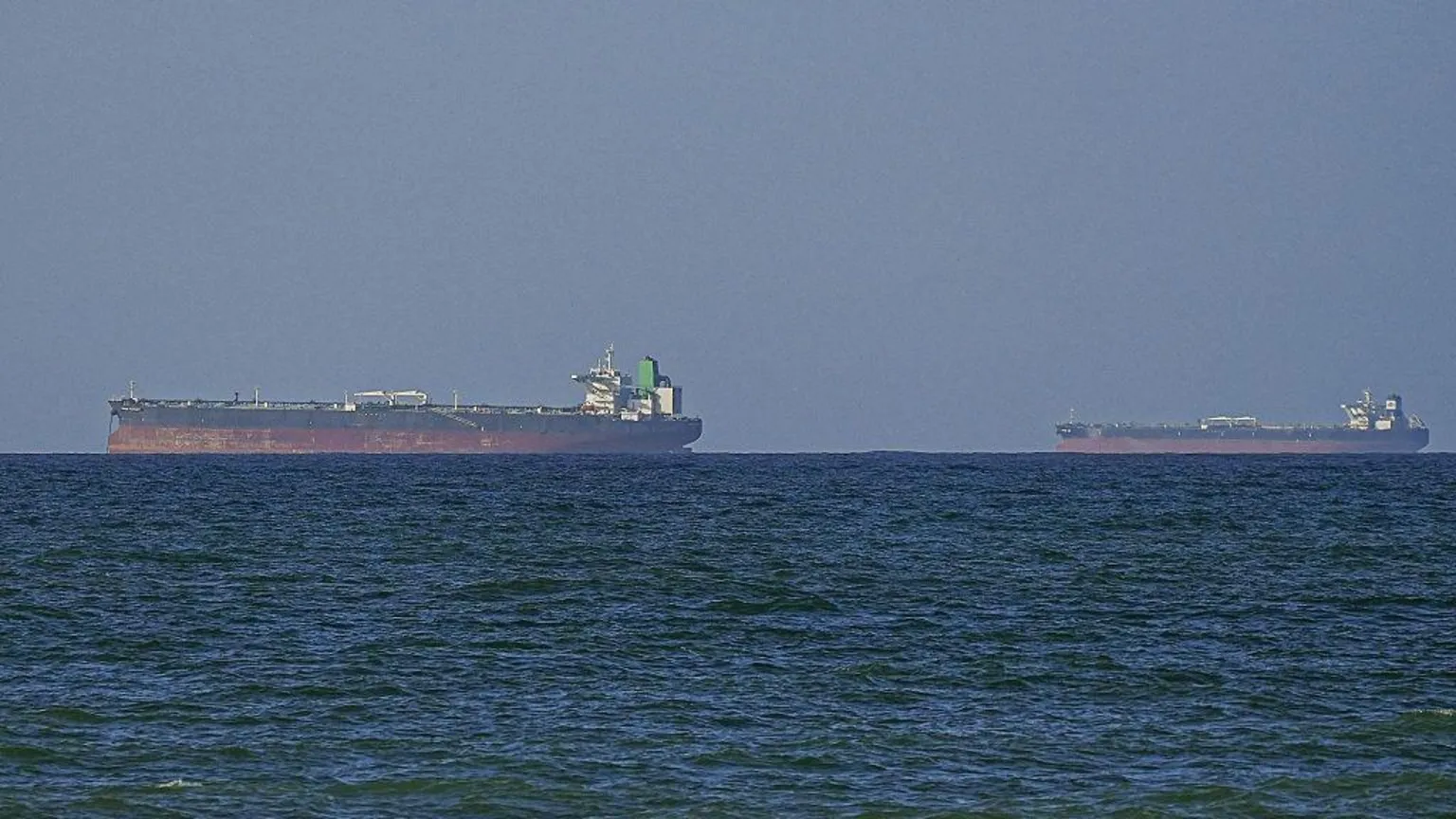
Twenty-one hours of high-level talks in Islamabad proved insufficient to bridge 47 years of animosity between Iran and the United States. The historic discussions, held amidst a pause in a devastating war, were always considered a long shot to yield a definitive resolution. While the marathon session didn’t result in an agreement, labeling it a complete failure might understate the immense challenge of addressing complex issues, from deep-seated suspicions about Iran’s nuclear program to the new crisis surrounding Iran’s control of the strategic Strait of Hormuz, whose closure is causing global economic disruption. Overcoming profound distrust was also a significant hurdle.
Just a day prior, the prospect of the two sides even meeting, let alone sitting in the same room, seemed remote, marking a significant political taboo broken. The pressing question now is the path forward. What becomes of the fragile two-week ceasefire that averted a wider conflict following US President Donald Trump’s threat to decimate an “entire civilization” in Iran? Will the US president be inclined to send his negotiators back to the table?
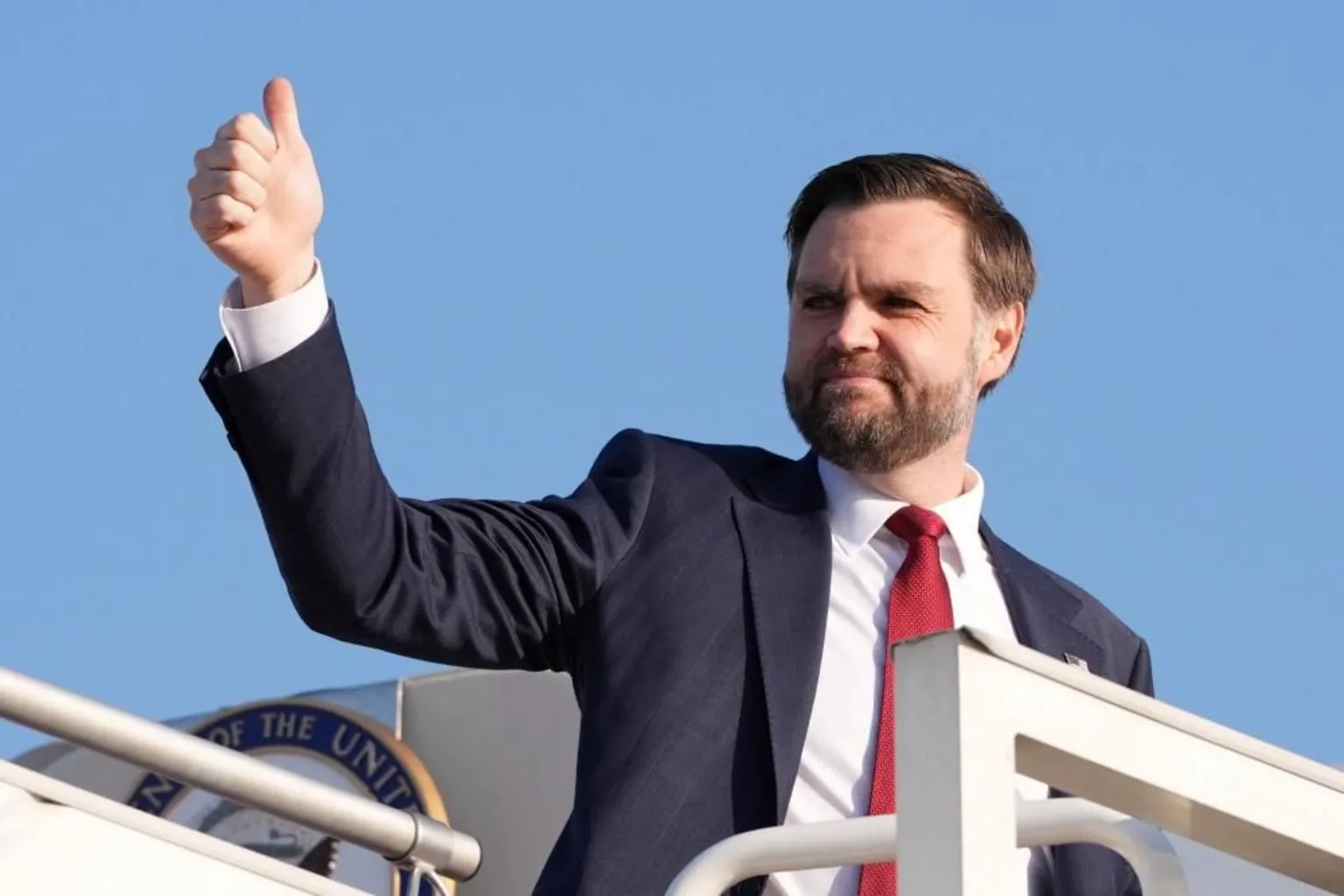
Reports from Islamabad suggest some conversations continued even after US Vice-President JD Vance departed at sunrise, having declared the US delegation’s “final and best offer.” The world now watches to see if the US will choose escalation or renewed negotiation. Details from the tightly guarded five-star hotel where talks extended late into the night remain scarce, with only limited information on the disputes and discussions, which were facilitated by Pakistani mediators and involved numerous calls to experts, advisers, and even dozens to President Trump himself, according to Vance.
During a brief dawn news conference, Vice-President Vance outlined the US’s “core goal”: “We need to see an affirmative commitment that [Iran] will not seek a nuclear weapon and they will not seek the tools that would enable them to quickly achieve a nuclear weapon,” he stated. In previous talks in February, before renewed military strikes, Iran had offered concessions, including diluting its 440kg stockpile of 60% enriched uranium, a level dangerously close to weapons-grade. However, Iran maintains its “right” to enrich and has resisted giving up this stockpile, which is now reportedly buried under rubble from last year’s US and Israeli air strikes. Iran has also repeatedly refused demands to reopen the Strait of Hormuz, crucial for the free flow of oil, gas, and other vital goods, without a new agreement.
Both the US and Iranian delegations arrived in Islamabad confident in their positions, knowing that failure left the option of continued conflict, despite the escalating human and economic costs. Dr. Sanam Vakil of Chatham House noted a “limited psychological understanding of the adversary and what compromises are needed for a real deal.” Vance acknowledged both good news – “we’ve had a number of substantive negotiations” – and bad news: “We have not reached an agreement.” He emphasized that this was “bad news for Iran much more than the United States of America.”
Iran’s foreign ministry spokesman Esmail Baghaei criticized the US’s “excessive demands and unlawful requests” on X, while parliamentary speaker Mohammad Bagher Ghalibaf, who led Iran’s team, stated that the “opposing side ultimately failed to gain the trust of the Iranian delegation.” Iran has indicated a willingness to continue dialogue. Pakistan’s Foreign Minister Ishaq Dar urged all parties to uphold the fragile ceasefire and pledged ongoing efforts to encourage dialogue, a sentiment echoed by other concerned nations.
Historical precedent suggests that the 2015 nuclear deal between Iran and world powers took 18 months of breakthroughs and breakdowns. However, President Trump has expressed a desire to avoid protracted negotiations, and Vance previously warned against Tehran attempting to “play us.” Pakistani journalist Kamran Yousef, among many who worked tirelessly for updates, described this round as “no breakthrough but no breakdown either.” The world now awaits the next chapter.
#IranTalks #USIran #NuclearDiplomacy #StraitOfHormuz #Ceasefire #MiddleEastConflict #Geopolitics #InternationalRelations #PeaceNegotiations #IranNuclearDeal





Leave a Reply