

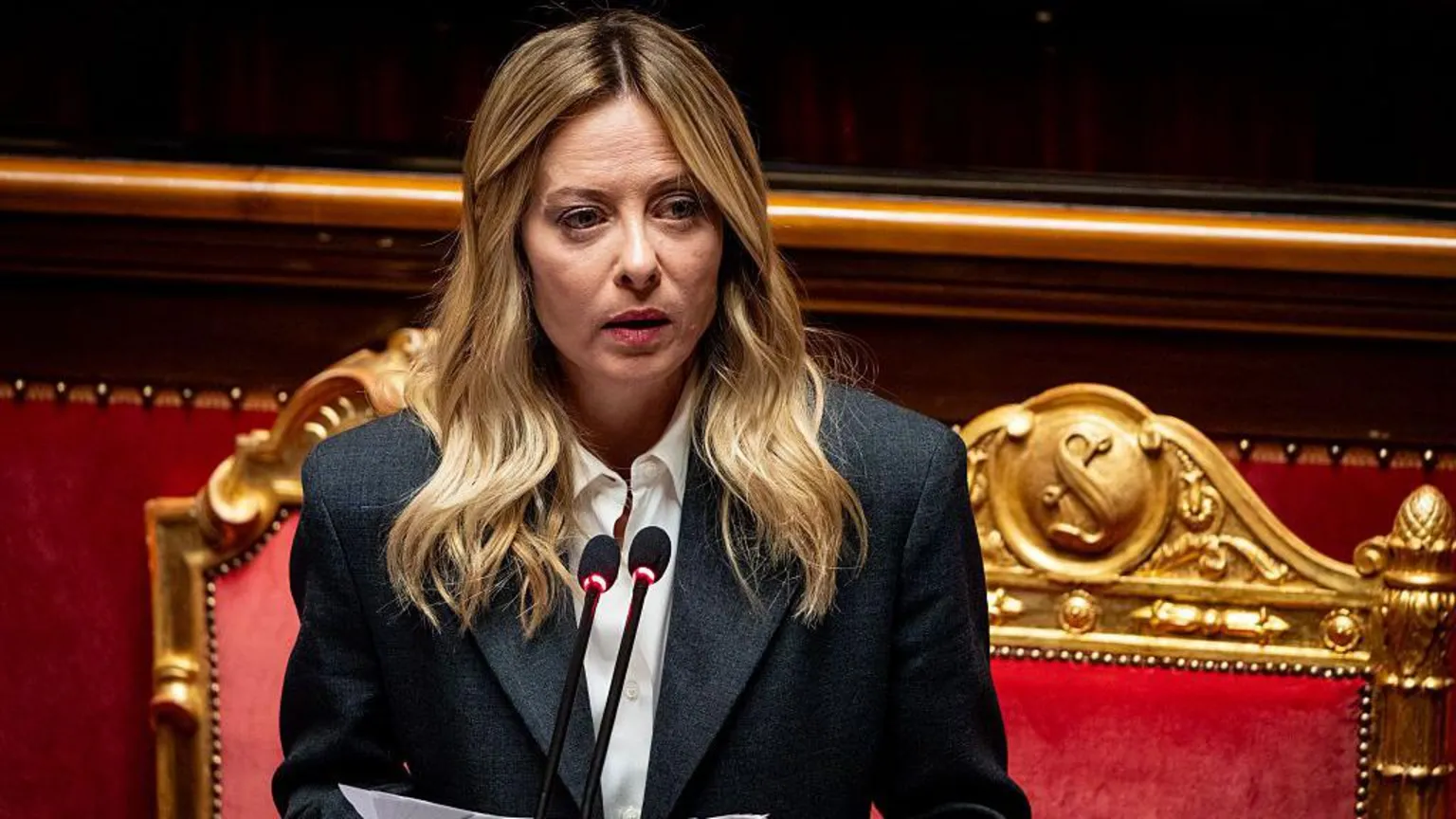
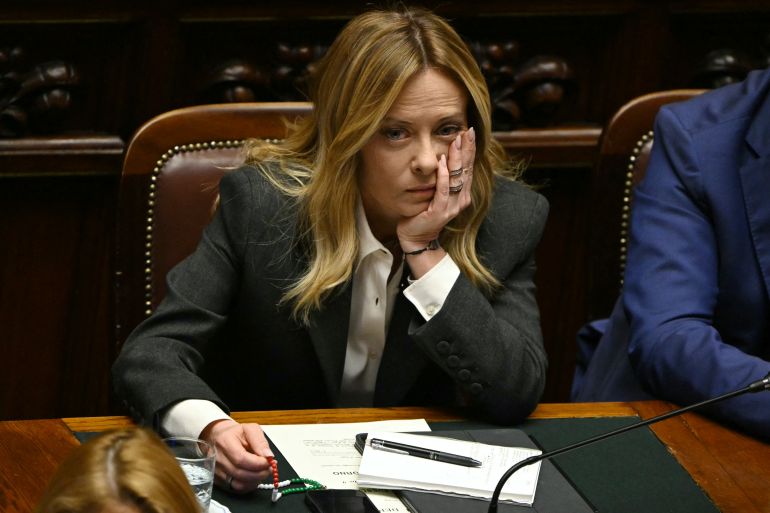
Italy has announced it will not renew its defence agreement with Israel, a move confirmed by Italian Prime Minister Giorgia Meloni. Meloni stated that her government decided to suspend the renewal, typically occurring every five years, citing the “current situation” without providing further specifics.
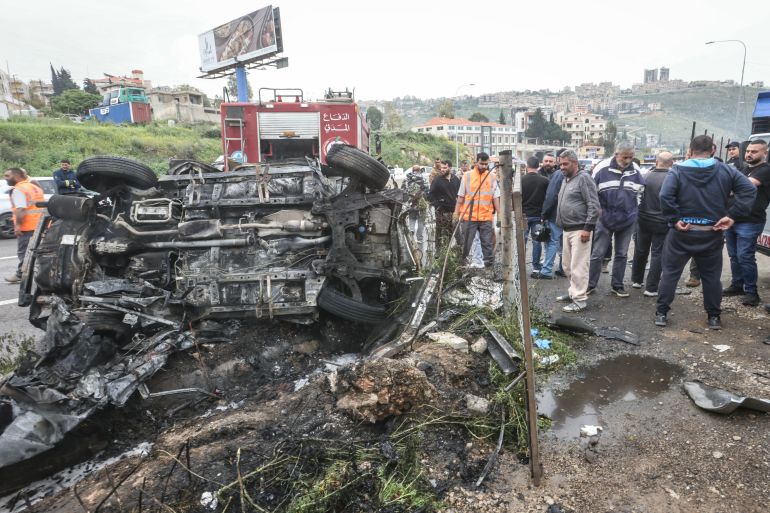
This decision comes amidst a recent downturn in relations between Rome and Tel Aviv, which have historically been strong. Tensions escalated last week when Italy summoned the Israeli ambassador after Israeli forces reportedly fired warning shots at a convoy of Italian UN peacekeepers in Lebanon, causing damage to one vehicle but no injuries. Subsequently, Israel summoned Italy’s ambassador to protest comments made by Italian Foreign Minister Antonio Tajani, who had condemned Israel’s “unacceptable attacks” on civilians in Lebanon.
Italy stands as the third-largest arms exporter to Israel, according to data from the Stockholm International Peace Research Institute (Sipri), though this constitutes only 1.3% of Israeli arms imports between 2021 and 2025, with the US and Germany being the primary suppliers. Several other European nations have also paused or restricted arms exports to Israel following its military actions in Gaza, which were triggered by the Hamas-led attack on Israel on October 7, 2023. That attack resulted in approximately 1,200 deaths and 251 hostages taken to Gaza. Since then, over 72,330 people have been killed by Israeli military action in Gaza, including 757 since a ceasefire began on October 10, 2025, according to the Hamas-run health ministry in the territory.
Domestically, the Italian government has faced increasing public pressure, with numerous protests and strikes calling for similar actions. Despite this, Meloni’s right-wing coalition has remained one of Israel’s staunchest allies in Europe, notably resisting calls to recognize Palestinian statehood.
However, a recent defeat in a judicial constitutional reform referendum in late March was widely interpreted as a gauge of her government’s popularity, particularly concerning its foreign policy, including relations with Israel and the United States. With the next general election 18 months away, Meloni appears to be adjusting her rhetoric to distance herself from associations that are becoming increasingly unpopular among Italian voters.
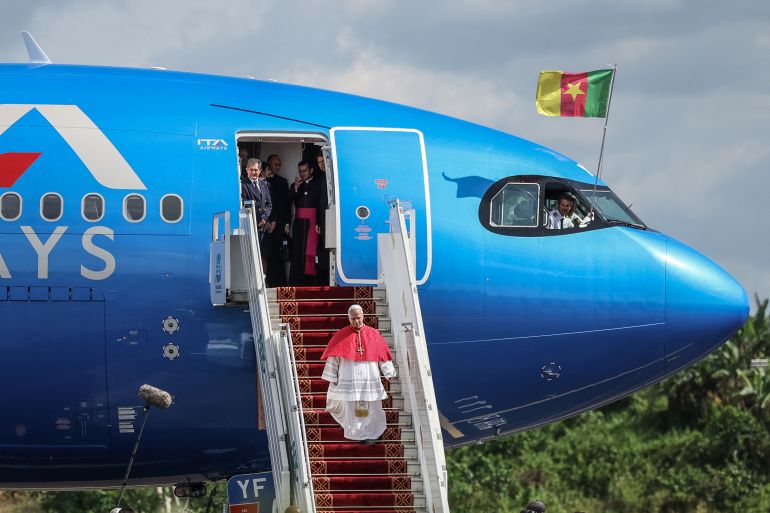
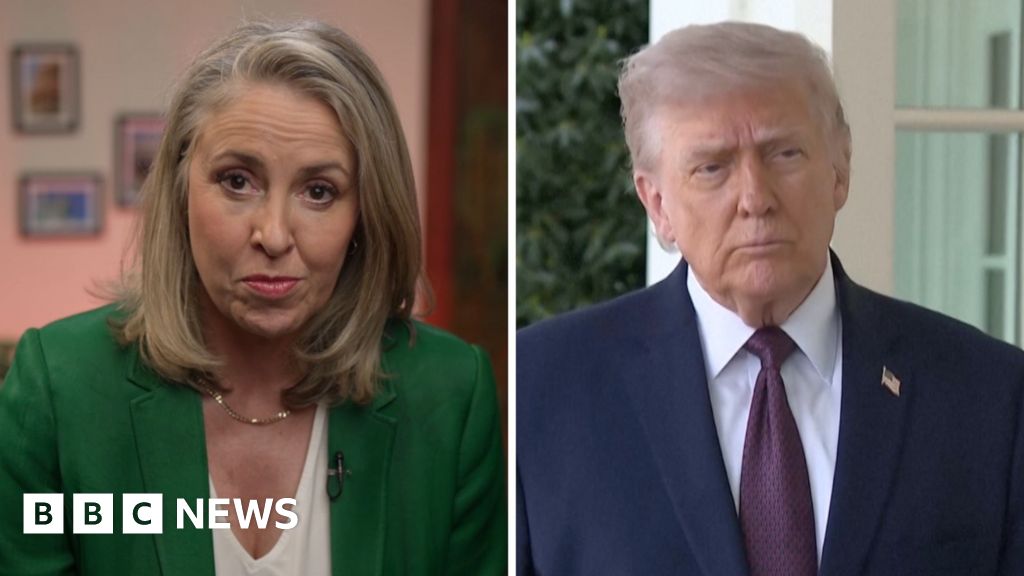
Recent examples include her description of the US-Israeli conflict with Iran as part of a dangerous trend of interventions “outside the scope of international law.” She also issued a rare criticism of Donald Trump on Monday, calling his disparaging comments about Pope Leo XIV “unacceptable” and expressing her “solidarity” with the pontiff. This drew a swift rebuke from Trump, who told an Italian newspaper he was “shocked at her” and questioned her courage and concern for Italy’s security.
Meloni’s shift in stance and the emerging cracks in the Italy-US relationship may be an attempt to regain voter support ahead of the upcoming election. While Trump’s previous sympathy for Meloni was once seen as an asset, his growing unpopularity, as evidenced by a January survey showing 63% of Italian voters hold a negative opinion of the US, now poses a potential liability.
In response to Trump’s comments, Meloni’s allies quickly came to her defense. Foreign Minister Antonio Tajani affirmed on X that Italy’s alliance with the US is “built on mutual loyalty, respect, and honesty,” adding that the Prime Minister “said exactly what all of us Italians think” regarding Pope Leo XIV. Defence Minister Guido Crosetto emphasized that being allies “does not mean accepting everything in silence, but having the courage to clearly state what one believes to be right.”
#Italy #Israel #DefenseAgreement #InternationalRelations #GazaConflict #GiorgiaMeloni #Diplomacy #ArmsExports #EuropeanPolitics #MiddleEast



Leave a Reply