


The Food and Agriculture Organization (FAO) has issued a stark warning: a sustained disruption in the Strait of Hormuz could trigger a global food “catastrophe.” This comes as vital agricultural input shipments remain stalled in the crucial waterway, a consequence of the US-Israel conflict with Iran.
According to Maximo Torero, the UN body’s chief economist, food prices have not yet escalated because current stocks are effectively absorbing the initial shock. He made this statement in a Monday interview, joined by David Laborde, director of FAO’s agrifood economics division.
However, Laborde cautioned that if maritime traffic through the strait does not resume, the ripple effects on energy and fertilizer markets will inevitably lead to increased commodity and retail prices, impacting consumers later this year and extending into 2027.
The FAO highlights that a significant portion, between 20 and 45 percent, of essential agrifood inputs depend on sea transit through the Strait of Hormuz.
“We are currently facing an input crisis; our goal is to prevent it from escalating into a catastrophe,” Laborde stated, emphasizing that “the outcome hinges on the actions we choose to take.”
Torero further explained, “Presently, we are not experiencing a food crisis due to the availability of food.” He pointed out that, for instance, rising gas and oil prices have not yet translated into higher costs for staples like bread and wheat, largely thanks to abundant supplies from a successful harvest season. “But this is the current situation,” he clarified.
The global agricultural sector is particularly vulnerable to disruptions in the Strait of Hormuz, as nearly half of the world’s traded urea—the most commonly used fertilizer—along with substantial quantities of other fertilizers, are exported from Gulf nations through this strait.
Already, recent interruptions in gas supplies and shipping have compelled fertilizer plants, which rely on natural gas for production, both within the Gulf region and elsewhere, to either cease operations or significantly reduce their output.
Torero warned that if traffic continues to be obstructed in this critical chokepoint, farmers will face the difficult choice of either producing with reduced fertilizer inputs or passing on increased costs to consumers.
“It is therefore crucial that the ceasefire holds, and equally vital that it’s not merely a ceasefire, but that vessels resume movement,” he urged, adding, “The clock is ticking.”
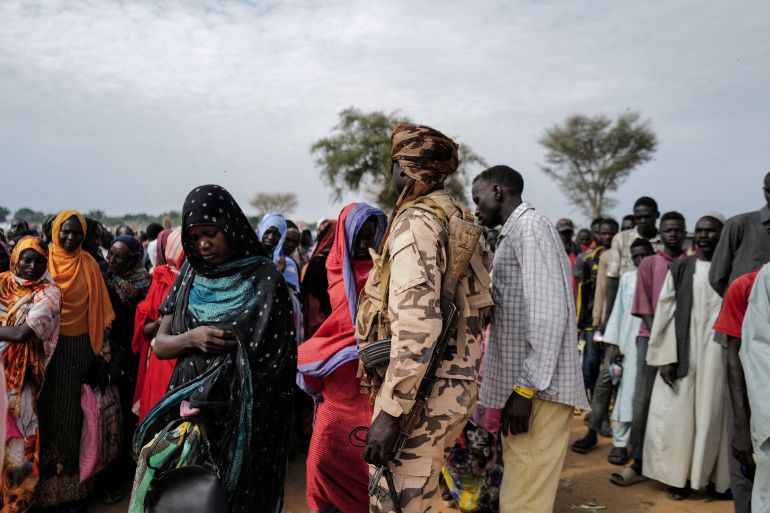
Torero further highlighted that poorer nations are most susceptible to these disruptions. Their planting schedules mean that any delays in accessing essential inputs could swiftly lead to reduced agricultural output, escalating inflation, and a deceleration of global economic growth.
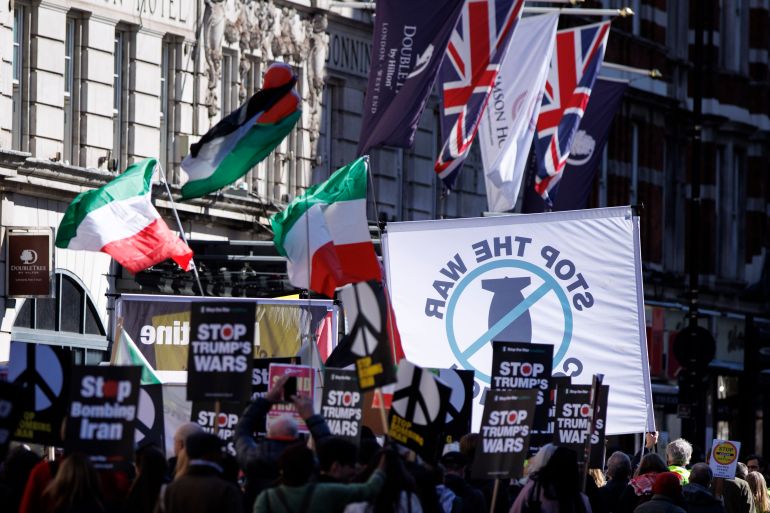
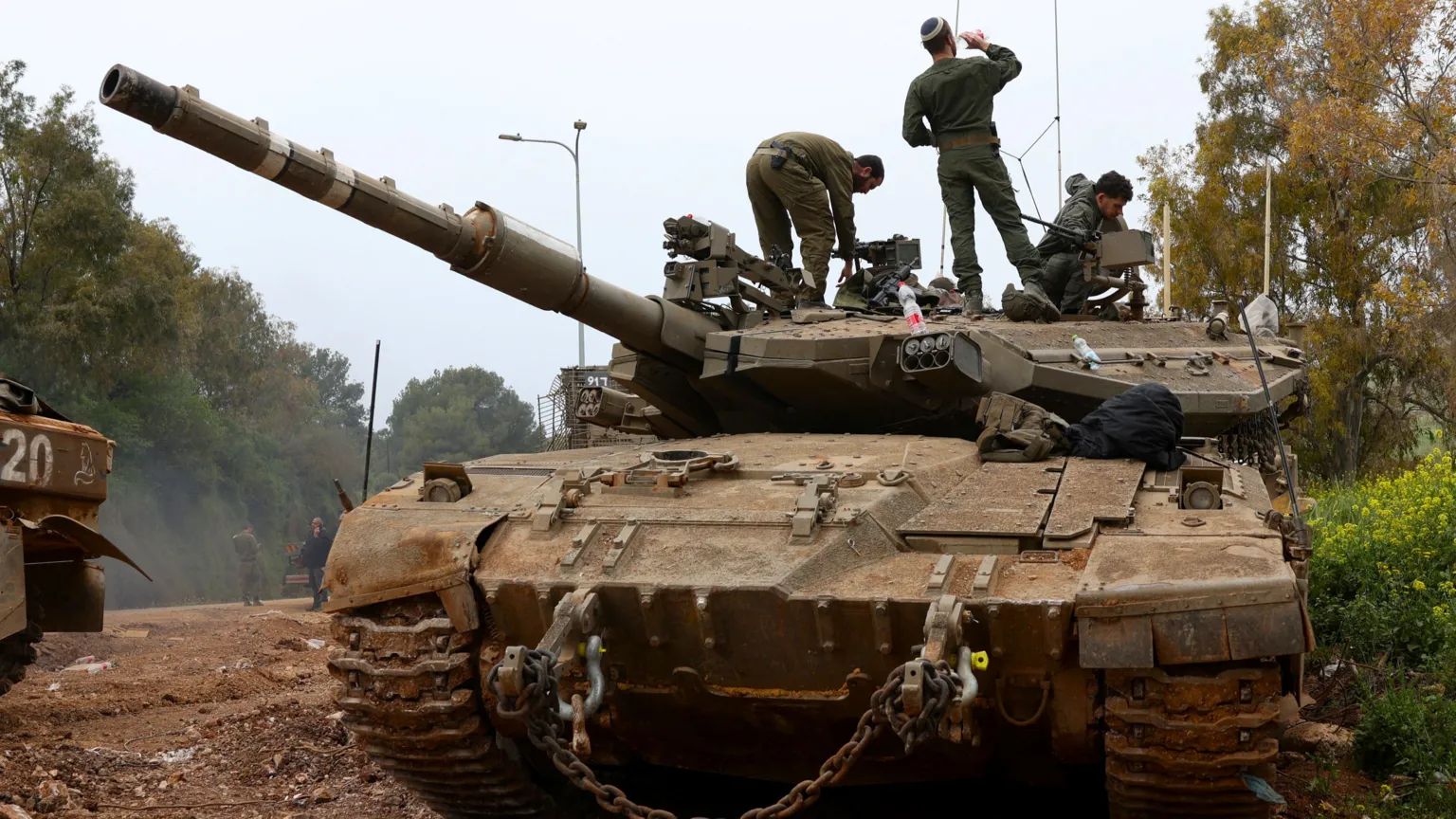
Iran has nearly halted all traffic through the strait, a response to attacks from the United States and Israel, who initiated a conflict against Tehran on February 28, resulting in the death of Supreme Leader Ayatollah Ali Khamenei.
This action has ignited a global energy crisis, with oil and gas prices occasionally doubling compared to pre-war levels.
Over the weekend, Iranian and US representatives engaged in a 21-hour marathon negotiation session aimed at securing a permanent ceasefire, but ultimately failed to achieve a breakthrough.
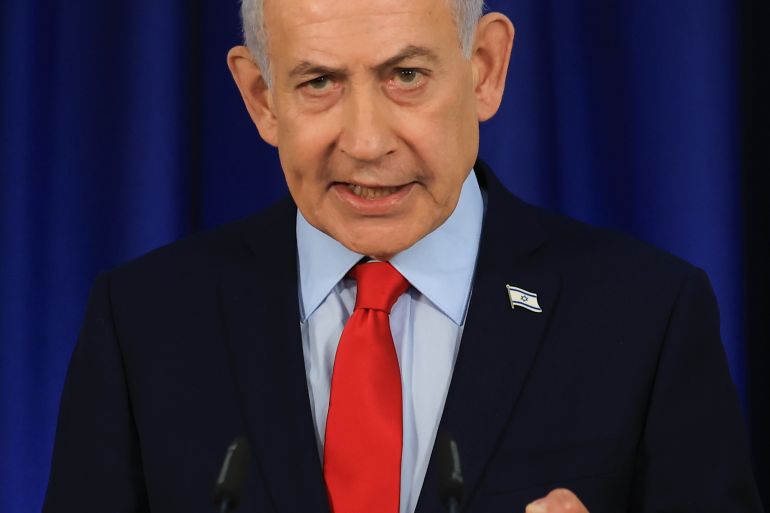
Subsequently, US President Donald Trump announced a naval blockade on the strait. He stated that the navy would pursue and intercept ships in international waters found to have paid Iran a toll for passage through the strait.
The US military later declared its intention to block all maritime traffic entering and exiting Iranian ports, encompassing those in the Gulf and the Gulf of Oman.
#StraitOfHormuz #FoodSecurity #GlobalCrisis #FAO #FertilizerCrisis #EnergyCrisis #USIsraelIranWar #Geopolitics #SupplyChain #EconomicImpact






Leave a Reply