

Israel and Lebanon have announced a 10-day ceasefire, intended to facilitate negotiations for a more enduring security and peace agreement. The truce, declared by United States President Donald Trump on Thursday, became effective at 21:00 GMT.
This ceasefire follows six weeks of intense fighting between Israel and the Iran-backed Lebanese group, Hezbollah. During its military operations in Lebanon, Israel has reportedly caused the deaths of at least 2,196 people and displaced over one million. However, on Friday morning, Lebanon’s army reported several violations of the ceasefire by Israeli forces.
Will the ceasefire last? What are its terms? Here’s what we know:
What Are the Terms of the Ceasefire?
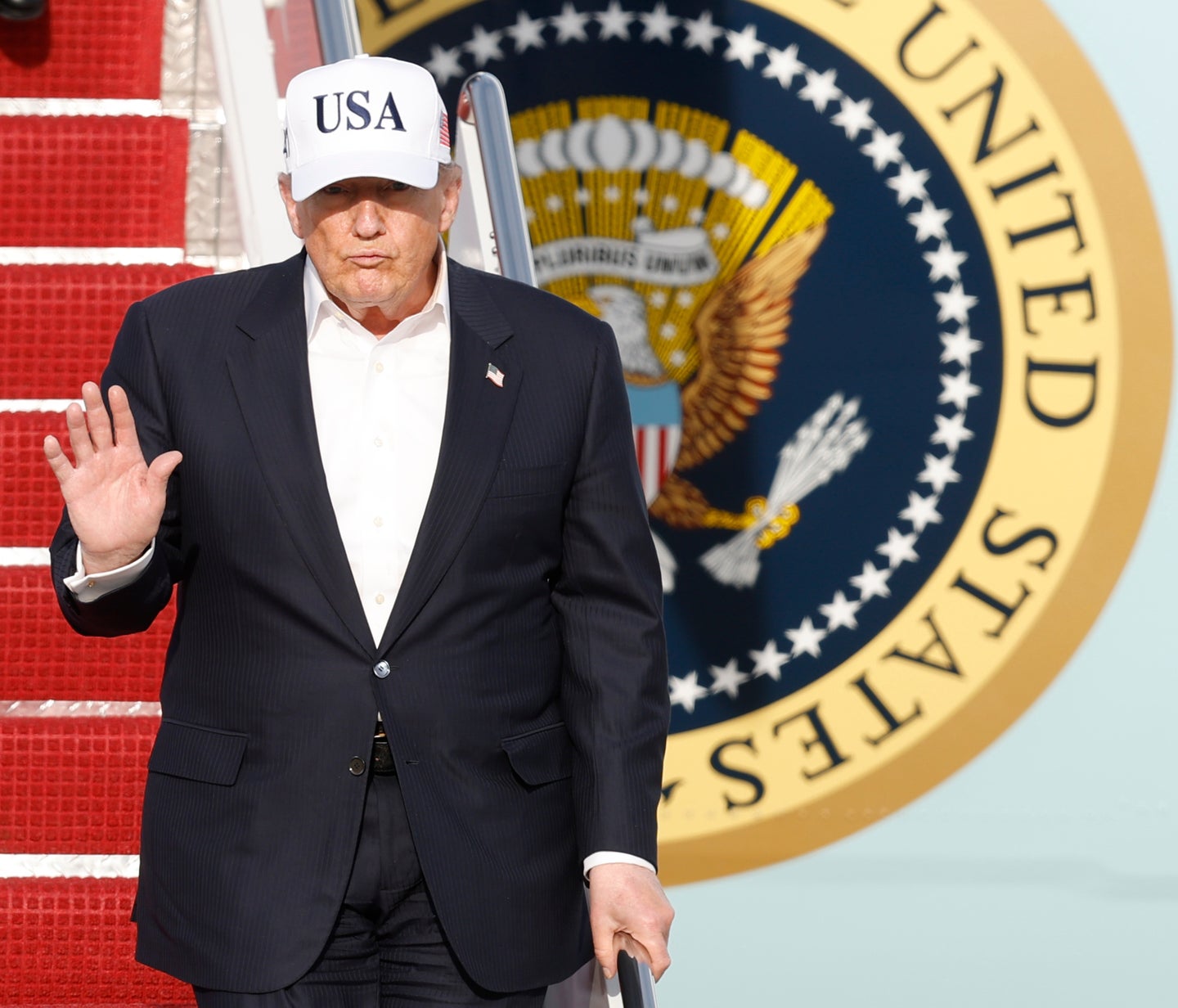
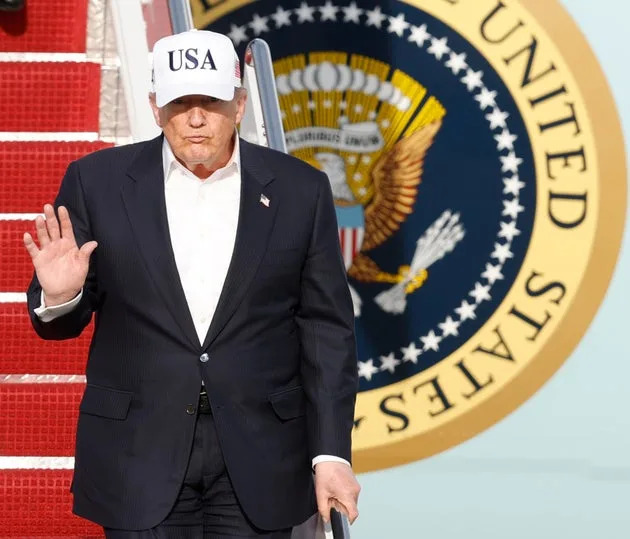
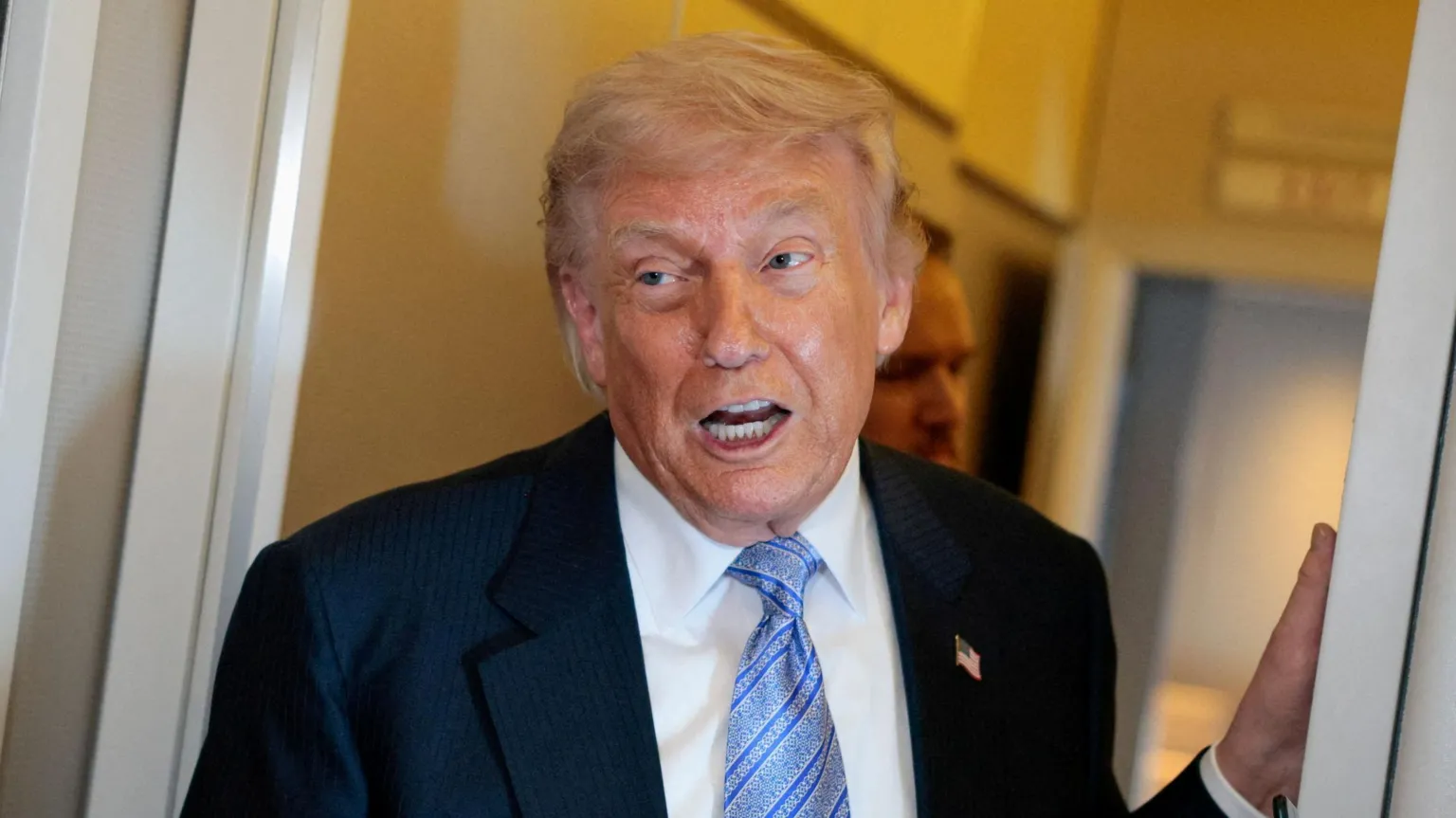
Announcing the ceasefire, President Trump hailed it as a “historic day,” further stating on Truth Social, “May have been a historic day for Lebanon. Good things are happening.”
According to a statement from the US State Department, the agreement allows Israel to “preserve its right to take all necessary measures in self-defence,” while refraining from “any offensive military operations.” The statement clarified that Israel could exercise this right “at any time, against planned, imminent, or ongoing attacks,” and that this would “not be impeded by the cessation of hostilities.”
Trump confirmed that the 10-day truce includes Hezbollah, expressing hope that the group would “act nicely and well during this important period of time.” He added, “No more killing. Must finally have PEACE!”
What Has Hezbollah Said?
Hezbollah was not directly involved in the negotiations between Israeli and Lebanese officials in Washington on Tuesday and had opposed the ceasefire talks.
On Thursday, Ali Fayyad, a Hezbollah politician, informed Al Jazeera Arabic that the group would approach the newly announced ceasefire with “caution and vigilance.” He warned that any targeting of Lebanese sites by Israeli forces would constitute a breach of the truce. Fayyad described the upcoming phase as “thorny and fraught with pitfalls and challenges,” noting that the “worst-case scenario” for Lebanon would be a resumption of civil strife.
Israel has consistently demanded that the Lebanese government disarm Hezbollah, a demand the group refuses as long as Israeli forces remain in Lebanon and pose a perceived threat.
What Has Israel Said About the Ceasefire?
Late on Thursday, Israel’s Prime Minister Benjamin Netanyahu stated that his government now has an opportunity to “make a historic deal” with Beirut. He confirmed Israel’s agreement to the temporary 10-day ceasefire but asserted that Israeli forces would maintain an “extensive” security zone in Lebanon, extending up to the Syrian border.
Netanyahu reiterated Israel’s key demand for Hezbollah’s disarmament and rejected Hezbollah’s request for Israeli troop withdrawal beyond its border. Former Israeli diplomat Alon Pinkas dismissed Netanyahu’s framing of the deal, telling Al Jazeera that Netanyahu was “coerced into this by President Trump” and that it was “not a ceasefire that he wanted.” Pinkas also expressed skepticism about a lasting peace agreement given Hezbollah’s continued armament.
Israel’s opposition leader, Yair Lapid, also criticized the ceasefire, stating that the government’s promises were “crashing against the ground of reality.” He emphasized that the confrontation in Lebanon could only end with the “permanent removal of the threat to the northern settlements.”
What Does This Mean for People in Lebanon?
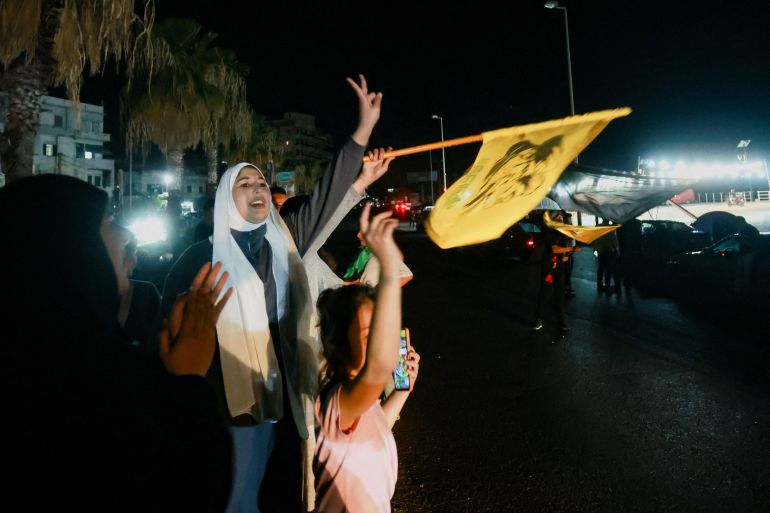
Following the ceasefire announcement, celebratory gunfire was heard in Beirut. However, displaced individuals in downtown Beirut expressed distrust of Israel’s commitment to the truce, preferring to wait before returning home.
On Friday, the Lebanese military reported several ceasefire violations, including “Israeli attacks… in addition to intermittent shelling targeting a number of villages.” The Lebanese army also urged citizens to “exercise caution in returning to southern villages and towns.”
Lebanon 24 reported an incident where Israeli forces allegedly fired a machinegun and an artillery shell towards an ambulance team in Kunin, southern Lebanon, resulting in casualties. Earlier, Israeli military spokesperson Avichay Adraee issued an “urgent message” to southern Lebanese residents, warning them to remain north of the Litani River, citing “ongoing terrorist activities” by Hezbollah.
Hezbollah also cautioned displaced people, urging them to “be patient and not to head to the targeted areas in the South, the Bekaa and the southern suburbs of Beirut, until the course of events becomes fully clear.” Analyst Alon Pinkas highlighted that key details, particularly regarding a “Hezbollah kill zone” in southern Lebanon, remain unresolved, potentially making the ceasefire partial.
Despite the reported violations, people expressed eagerness to return home, with Al Jazeera’s Zeina Khodr reporting from Nabatieh that residents are determined to hold onto their land.
What Does This Mean for People in Northern Israel?
On Thursday night, prior to the ceasefire, Hezbollah claimed 38 attacks on Israeli forces in Lebanese territory and 37 in northern Israel. However, on Friday morning, missile strike sirens remained silent across Israel.
Leaders of regional councils in northern Israel, heavily impacted by the conflict, expressed dissatisfaction with the ceasefire. Moshe Davidovich, head of the Mateh Asher Regional Council, called the ceasefire and the establishment of a security zone up to the Litani River “not a diplomatic achievement” but a risk for further violence. Shimon Guetta, head of the Ma’ale Yosef Regional Council, demanded “complete disarmament of Hezbollah” and “absolute security” for northern communities.
Political commentator Abed Abou Shhadeh told Al Jazeera that Israelis, particularly in the north, were frustrated, surprised by Hezbollah’s sustained capabilities, and felt that promises of “absolute victory” and a buffer zone in southern Lebanon were unfulfilled. He added that many Israelis felt they were being misled by their government regarding the American-Iranian ceasefire agreement.
Could This Truce Reset Israel-Lebanon Ties?
This ceasefire follows a previous one, ostensibly in effect since November 27, 2024, which saw over 10,000 Israeli violations and hundreds of Lebanese deaths. Israel maintains that Hezbollah must be disarmed for any truce to last.
Hezbollah, though weakened by the war, retains significant support within Lebanon’s Shia community. The Lebanese government has expressed unease about Hezbollah’s influence and had outlawed its military wing at the start of the latest conflict. However, Israel claimed in January that Hezbollah was rebuilding its military capabilities faster than the Lebanese army could dismantle them.
Rami Khouri, a public policy fellow at the American University of Beirut, described Hezbollah as being at the “centre of the ceasefire, but behind a curtain,” highlighting the complex relationship between Hezbollah and the Lebanese government. He noted that the Lebanese army would likely avoid forcibly disarming Hezbollah to prevent sectarian tensions.
Lebanese Prime Minister Nawaf Salam welcomed the ceasefire as “a central Lebanese demand.” However, Lebanon’s President Joseph Aoun previously refused direct talks with Netanyahu. Sami Nader, director of the Institute of Political Science at Saint Joseph University, suggested the truce could be a significant opportunity for resetting relations, contingent on constructive engagement, Hezbollah’s disarmament, and external support.
President Trump indicated that Netanyahu and President Aoun might meet in Washington soon. However, Al Jazeera’s Zeina Khodr expressed skepticism, noting the vastly different positions of both governments, making a permanent peace unlikely within a 10-day truce.
Is This Ceasefire All About Getting an Iran-US Deal?
Ori Goldberg, an independent Israeli analyst, suggested that the Israel-Lebanon ceasefire is “mostly about Iran and the US,” with Iranians seeking a comprehensive regional solution. Following the ceasefire announcement, Trump stated that a deal to end the war on Iran was “very close.” Iran’s Foreign Ministry also welcomed the ceasefire, framing it as part of a broader agreement with the US to pause the regional conflict.
Chris Featherstone, a political scientist, noted that Iran had insisted on an Israel-Lebanon ceasefire as part of any US-Iran deal, suggesting this truce could pave the way for further negotiations. However, Featherstone also pointed out that this could be another instance of Trump seeking credit for “ending wars” as part of his campaign.
Sami Nader, while acknowledging potential US-Iran dynamics, emphasized that the Lebanese track remains “fundamentally and legally distinct.” He explained that it revolves around bilateral concerns between Lebanon and Israel, such as border delimitation and security, rather than Iran’s nuclear program or ballistic capabilities.
#IsraelLebanonCeasefire #MiddleEastPeace #DonaldTrump #Hezbollah #LebanonCrisis #IsraelSecurity #RegionalDiplomacy #HumanitarianCrisis #USDiplomacy #Geopolitics




Leave a Reply