

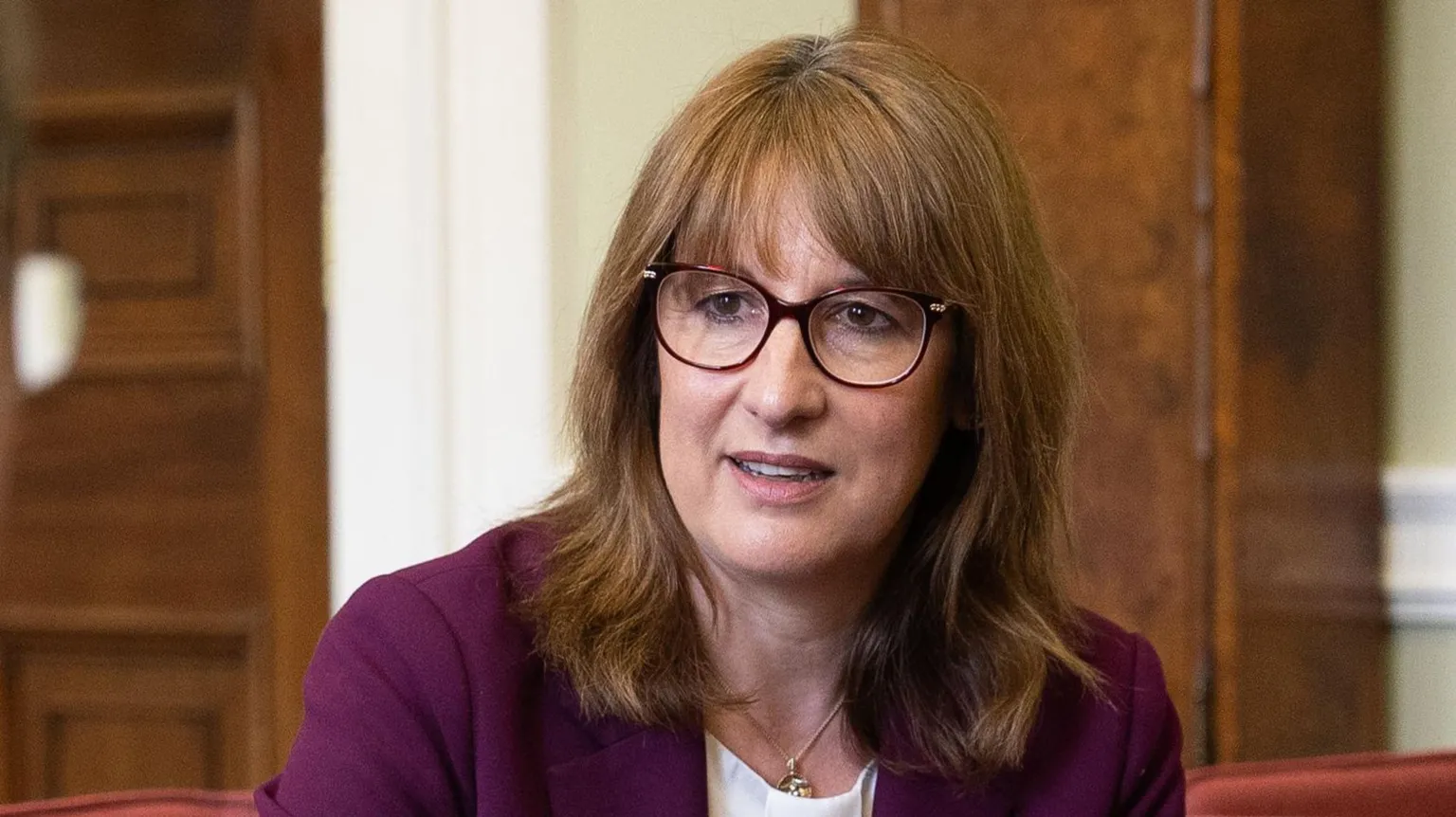
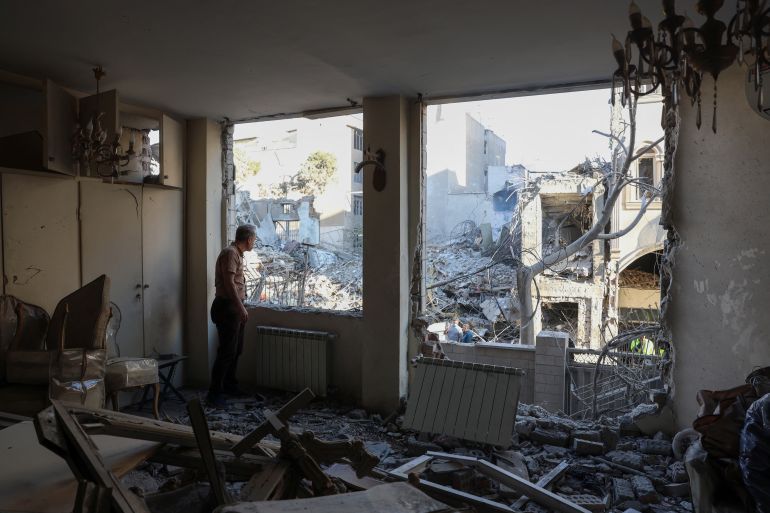
The UK government is grappling with the economic fallout of the war in Iran, a reality underscored by the International Monetary Fund. This conflict has intensified calls, notably from former NATO Secretary General Lord Robertson, for a rapid and substantial increase in defence spending. However, boosting defence expenditure becomes significantly more challenging amidst an economy that has been struggling for years. The Chancellor’s frustration was evident in an interview with The Mirror, where she described initiating the conflict without clear objectives as “folly.” Rachel Reeves stated, “This is a war that we did not start. It was a war that we did not want. I feel very frustrated and angry that the US went into this war without a clear exit plan, without a clear idea of what they were trying to achieve.” Her anger is understandable. Reeves was already facing immense challenges, and the war has added another layer of complexity, derailing tentative efforts by her and other senior ministers, including Prime Minister Sir Keir Starmer, to suggest that the economic situation was slowly improving. Earlier in the year, the Prime Minister had declared “we are turning a corner,” with ministers privately and publicly highlighting more promising economic indicators. The outbreak of the conflict, however, swiftly altered this narrative. This has intensified a vicious cycle. A struggling economy fosters a restless, perhaps irritable, electorate and complicates decisions regarding public spending. The ongoing conflicts, including both Iran and Ukraine, prompted Lord Robertson to sharply criticize the Chancellor, accusing “non-military experts in the Treasury” of “vandalism.” Yet, the Treasury’s mandate is to meticulously oversee public expenditure, and accusations of waste within the Ministry of Defence have been a recurring theme in Westminster discussions for years. Lord Robertson further targeted a sensitive point for Labour by asserting that “the cold reality of today’s dangerous world is that we can’t defend Britain with our ever-expanding welfare Budget.” Last summer, the Prime Minister faced a defeat from his own backbenchers over efforts to curb the rising benefits bill. While there’s internal government discussion about revisiting welfare system reforms, such moves are politically fraught, especially for the Labour Party. The long-awaited Defence Investment Plan, intended to detail how the Ministry of Defence will fund its requirements, was initially due last autumn. Despite the passing of winter and the changing of clocks, the plan remains conspicuously absent. This delay is perhaps unsurprising given the myriad political, fiscal, and international pressures currently facing the government. Whenever the plan is finally unveiled, it will undoubtedly broaden the debate: How will this government, its successors, and society as a whole address the choices necessitated by a more robust defence posture? With the tax burden projected to reach a historic high of 38% of national income by 2031, can budgets for health, welfare, and defence all continue to increase simultaneously? What sacrifices will be made, and when? These questions are set to dominate political discourse for years, if not decades. #LabourParty #IranWar #UKPolitics #DefenceSpending #EconomicChallenges #RachelReeves #KeirStarmer #PublicSpending #Westminster #InternationalRelations
Chris Mason: The Iran War’s Vicious Cycle Traps Labour





Leave a Reply