

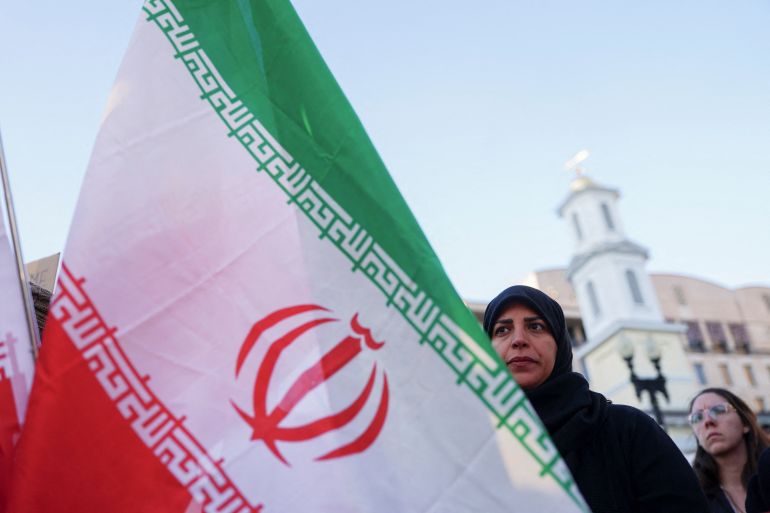
Iran and the United States have both declared victory in their recent conflict, having agreed to a two-week ceasefire. This agreement came just before a looming deadline set by US President Donald Trump, who had threatened to “obliterate” Iranian “civilisation” if Tehran did not accept a deal.
The conflict, which began on February 28 with US-Israel strikes on Iran, has reportedly claimed the lives of at least 2,076 people in Iran, with thousands more killed across the broader region. The war has also significantly disrupted global energy supplies, leading to stranded oil tankers and a surge in prices, marking what many describe as the biggest shock to the industry in history.
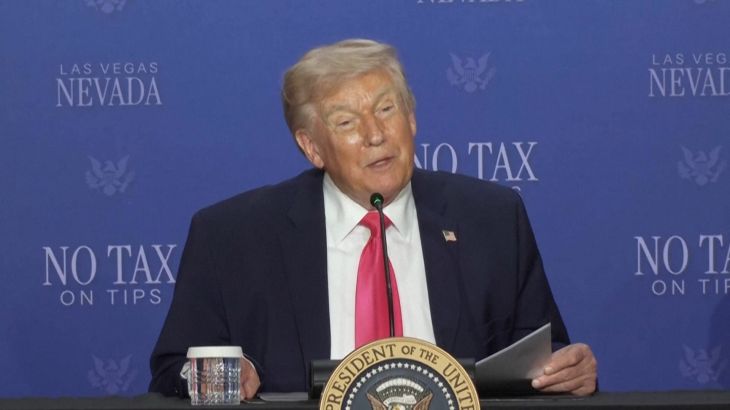
On Tuesday, President Trump announced on Truth Social that the US would halt its bombing campaign against Iran. He cited a 10-point ceasefire proposal from Iran, which he deemed “workable,” and stated that “almost all of the various points of past contention have been agreed to.”
Iran, in turn, confirmed it would permit ships to resume passage through the Strait of Hormuz. This decision, however, has been met with anger from some within the country who denounce their government’s apparent capitulation to pressure.
Both nations are expected to continue their Pakistan-mediated discussions in Islamabad starting Friday.
Despite the public posturing, both the US and Iran appear to have moved away from some of their previously stated “red lines” to reach Tuesday’s agreement. Analysts caution that these unresolved issues could resurface, complicating future negotiations.
Here’s what we know about what they both wanted and what concessions have been made so far:
**What are the terms of Tuesday’s agreement?**
The US committed to a two-week suspension of bombing in Iran. Trump explained this decision by stating that all military objectives had been met or exceeded, and that a “definitive Agreement concerning Longterm PEACE with Iran, and PEACE in the Middle East” was nearing finalization. The two-week period, he added, would allow the agreement to be “finalized and consummated.” Trump did not immediately confirm if US negotiators would attend the Islamabad talks.
Chris Featherstone, a political scientist at the University of York, told Al Jazeera that for Trump, the primary achievement is getting Iran to the negotiating table after escalating threats. He noted that while Trump presents this as a success, he will need tangible concessions from Iran for it to be a long-term victory.
Meanwhile, Iran’s Foreign Minister Abbas Araghchi stated that Iran would cease “defensive operations” if attacks on the country stopped and that its armed forces would ensure safe passage through the Strait of Hormuz.
Analysts suggest that many Iranians are expressing anger and faulting Tehran for agreeing to a ceasefire, given the heightened distrust of the US following previous incidents. Foad Izadi, a professor at the University of Tehran, highlighted the deep pessimism in Iran, referencing past US bombings during negotiations, specifically the June 12-day war with Israel and the February 28 US-Israeli strikes.
**What were Iran and the US’s earlier demands?**
**The US’s 15-point plan**
On March 25, the US presented a 15-point plan to Iran via Pakistan, though Tehran initially denied any talks. While the full framework wasn’t publicly released, Iran rejected it as “excessive.” Key reported elements included:
* A 30-day ceasefire.
* Immediate opening of the Strait of Hormuz by Tehran for safe passage.
* Decommissioning of Iranian nuclear facilities at Fordow, Natanz, and Isfahan.
* Permanent commitment against nuclear weapons and total cessation of uranium enrichment.
* Transfer of existing stockpiles to the International Atomic Energy Agency (IAEA) and full monitoring access.
* Cessation of arming and funding regional proxies like Hezbollah.
* Strict limits on ballistic missiles for self-defense only.
In return, the US would lift all sanctions, including the “snapback” United Nations mechanism, and provide support for electricity at Iran’s Bushehr nuclear power plant.
**Iran’s 10-point plan**
Iran responded with a 10-point plan. After Trump’s threats on the 38th day of the war, he acknowledged receiving this plan via Pakistani mediators, initially calling it a “significant step” but “not good enough.” However, in his ceasefire announcement, he deemed it “workable” as a basis for a final agreement. Analysts noted some controversial points likely to face resistance from Washington and Israel. Key Iranian demands included:
* Fundamental commitment to non-aggression from the US.
* Controlled passage through the Strait of Hormuz in coordination with Iranian armed forces, maintaining Iranian leverage.
* Acceptance of Iran’s nuclear enrichment program.
* Lifting of all primary and secondary sanctions and resolutions against Iran.
* End of all resolutions against Iran at the IAEA and by the United Nations Security Council (UNSC).
* Withdrawal of US combat forces from all bases in the region.
* Full compensation for damages suffered by Iran during the war, potentially via payments from ships passing through the Strait of Hormuz.
* Release of all Iranian assets and properties frozen abroad.
* Ratification of all these matters in a binding UNSC resolution.
**What have the two sides conceded so far?**
**From Iran:**
* **Permanent ceasefire:** Iran, initially vowing no negotiations until US/Israel were deterred, yielded to pressure from Pakistan (and reportedly China) to negotiate and accepted a two-week ceasefire instead of an immediate, permanent one.
* **Reparations:** President Masoud Pezeshkian had demanded reparations for damages as a ceasefire condition. Iran’s current proposal suggests using fees from Strait of Hormuz passage for reconstruction instead.
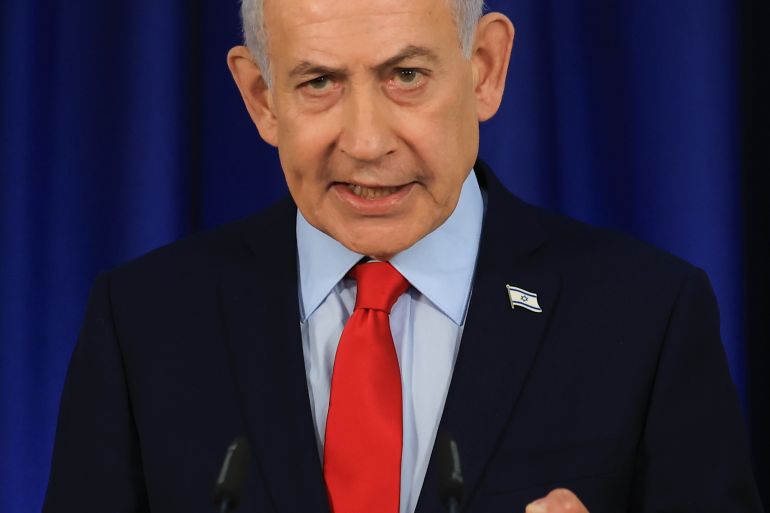
* **Attacks on Lebanon:** Iran had insisted any ceasefire extend to allies like Hezbollah in Lebanon. While Pakistan’s Prime Minister Shehbaz Sharif stated it would cover Lebanon, Israeli Prime Minister Benjamin Netanyahu denied this. Hours later, Israel launched a major bombing campaign on Beirut, causing hundreds of casualties. The consensus on Lebanon’s inclusion and whether Israel violated it remains unclear. Samir Puri of King’s College London noted Israel’s “veto power” here, while Featherstone suggested Tehran would likely not drop the issue to maintain regional influence.
**From the US:**
* **Strait of Hormuz:** Trump had demanded free passage, even threatening to bomb civilian infrastructure. However, under the public ceasefire agreement (which Trump shared), Iran will maintain control of the strait and is expected to continue seeking fees for reconstruction.
* **Iran’s missile capabilities:** The US had insisted on degrading or dismantling Iran’s ballistic missile program. Trump’s recent statements regarding the ceasefire have notably omitted any mention of Iran’s missiles.
**What next?**
Tough negotiations are expected to begin Friday. Analysts are speculating on potential final concessions and “non-starter” issues. One such “no-go area” for Washington is ending the US military presence in the Middle East, which has lasted over 65 years with thousands of troops across 19 sites. Iran argues these bases became liabilities for Gulf countries during the war.
Izadi of the University of Tehran noted that while the experience with US bases wasn’t good for southern neighbors, the decision for US withdrawal rests with the independent governments in the Persian Gulf.
#IranUSConflict #Ceasefire #MiddleEastPeace #StraitOfHormuz #NuclearDeal #Diplomacy #Geopolitics #TrumpAdministration #IranNuclearProgram #RegionalSecurity


Leave a Reply