

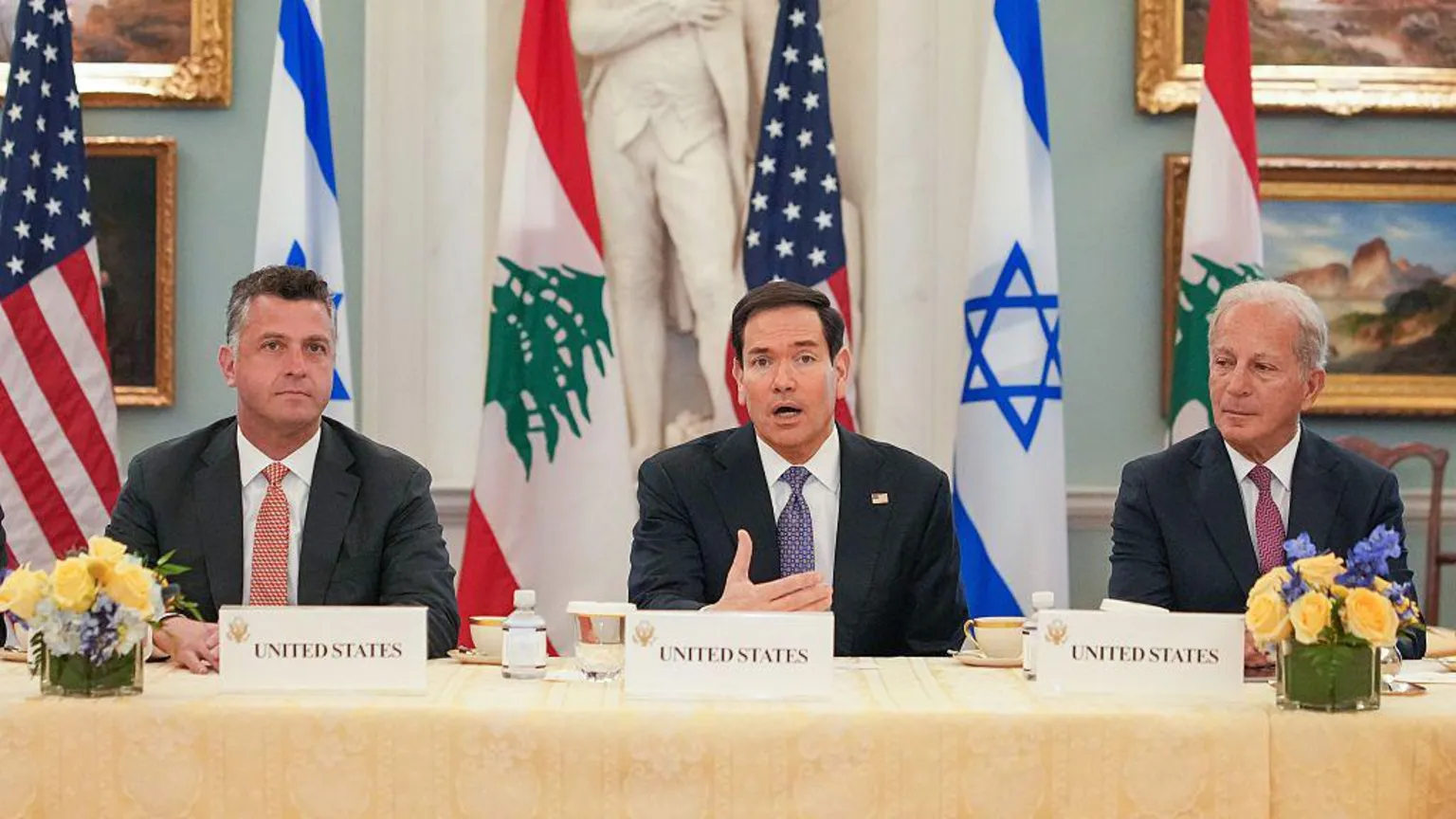
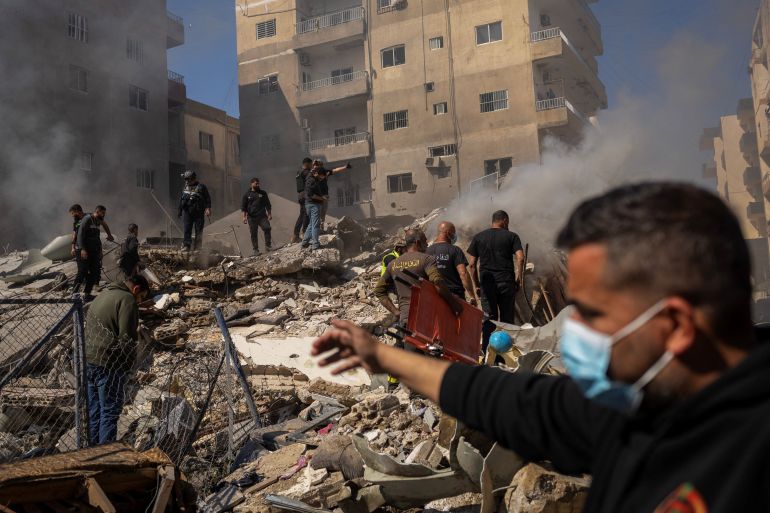
Lebanon and Israel have engaged in their first diplomatic talks in over three decades, a significant event aimed at de-escalating the conflict between Israel and the Iran-backed Hezbollah group. US Secretary of State Marco Rubio, who facilitated the discussions, described it as a “historic opportunity” to curb Hezbollah’s influence. A US statement confirmed that both sides agreed to initiate direct negotiations, with the specific time and location yet to be determined. Israel expressed its intention to disarm all non-state terror groups, a clear reference to Hezbollah. Lebanon, in turn, called for a ceasefire and urgent measures to address its humanitarian crisis. The two nations lack formal diplomatic relations, and their last direct, high-level talks occurred in 1993. The region has seen significant violence, with over 2,000 casualties since Israeli military operations in Lebanon commenced on March 2, shortly after US and Israeli strikes began in Iran. During the Washington meeting on Tuesday, Hezbollah claimed responsibility for at least 24 attacks on Israel and Israeli forces in Lebanon, leading to drone and rocket alarms across northern Israel throughout much of the day. Israel maintains that its operations in Lebanon are designed to disarm and dismantle Hezbollah, a group it also confronted in 2023 and 2024 amid the ongoing conflict in Gaza. Tommy Pigott, a spokesman for the US State Department, stated after the talks that both Israel and Lebanon committed to working towards reducing Hezbollah’s influence. He added that the Lebanese delegation also sought a “ceasefire and concrete measures to address and alleviate the severe humanitarian crisis” within the country. Concurrently, the US reiterated its “support for Israel’s right to defend itself” from Hezbollah’s aggressions. Ahead of the meeting, Rubio characterized the talks as “a process,” acknowledging that “This will take time, but we believe it is worth this endeavour. It’s a historic gathering that we hope to build on.” Lebanese President Joseph Aoun, in a statement, voiced his hope that the talks would “mark the beginning of the end of the suffering of the Lebanese people in general, and those in the south in particular.” He asserted that the “only solution” to the conflict would involve the Lebanese armed forces “being solely responsible for the security of the area.” However, the Lebanese government’s capacity to confront Hezbollah remains limited. Prior to the talks, a senior Hezbollah member informed the AP news agency that the group would not adhere to any agreement reached in Washington. Wafiq Safa, a member of Hezbollah’s political council, stated, “We are not bound by what they agreed to.” Hezbollah, a well-armed and sophisticated militia established in 1982, wields considerable power in Lebanon’s predominantly Shia south and the southern suburbs of Beirut. Politicians affiliated with the group also hold two cabinet positions within the government. Its relationship with Lebanon’s central government has become increasingly strained since the group intervened in the conflict between Israel and Iran, its primary benefactor. In separate discussions between the US and Iran in Pakistan, Iranian negotiators insisted on Lebanon’s inclusion in any ceasefire, a demand rejected by both the US and Israel. A US State Department official told the BBC that the Israel-Lebanon talks were scheduled a month in advance, predating the confirmation of the Iran talks in Islamabad. Beyond the more than 2,000 fatalities, approximately one million people have been displaced by the conflict since the most recent hostilities erupted. #IsraelLebanonTalks #MiddleEastDiplomacy #PeaceProcess #HezbollahConflict #USMediation #RegionalSecurity #CeasefireNow #HumanitarianAid #InternationalRelations #ConflictResolution
Israel and Lebanon hold first direct talks since 1993



Leave a Reply