

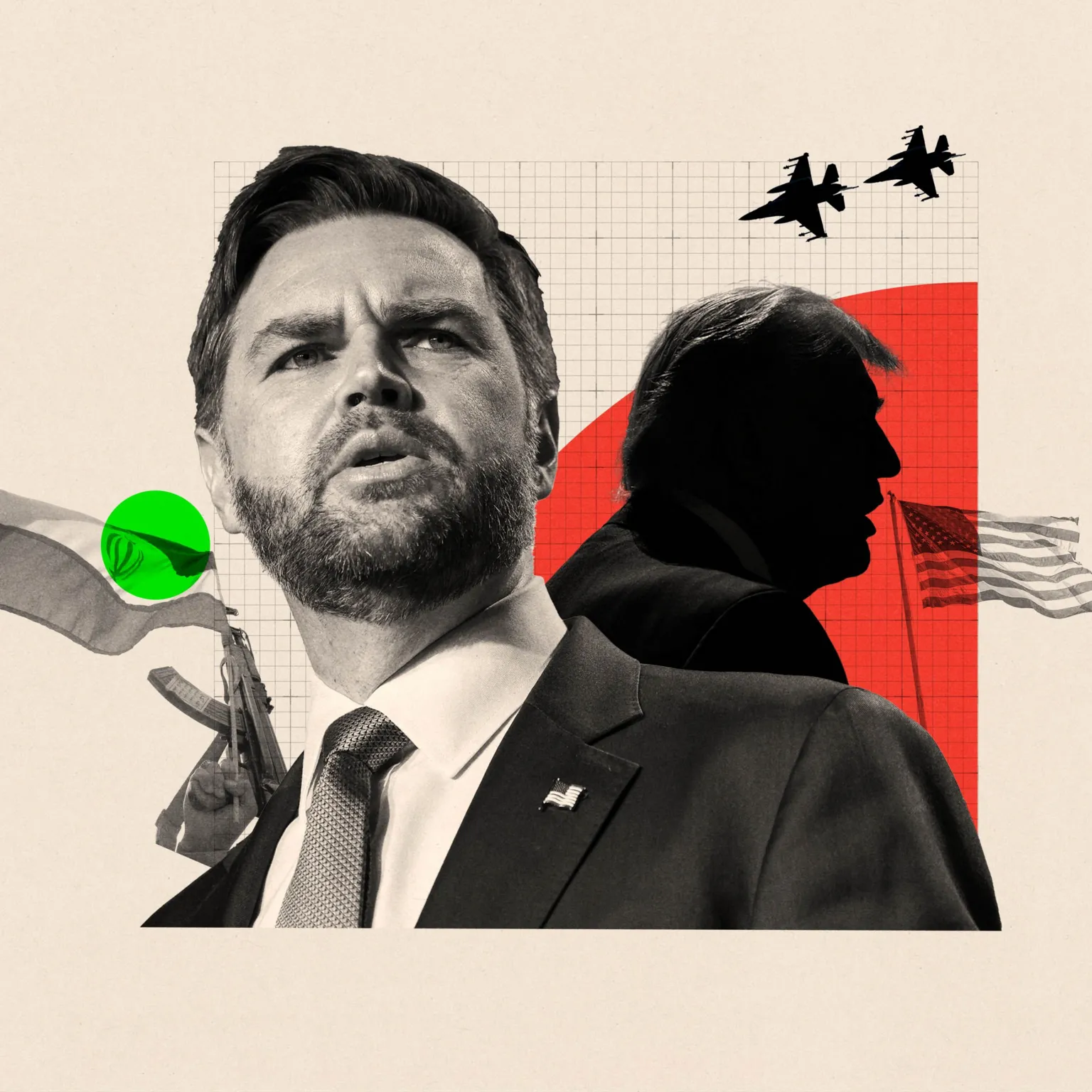
Vance’s High-Stakes Diplomatic Mission
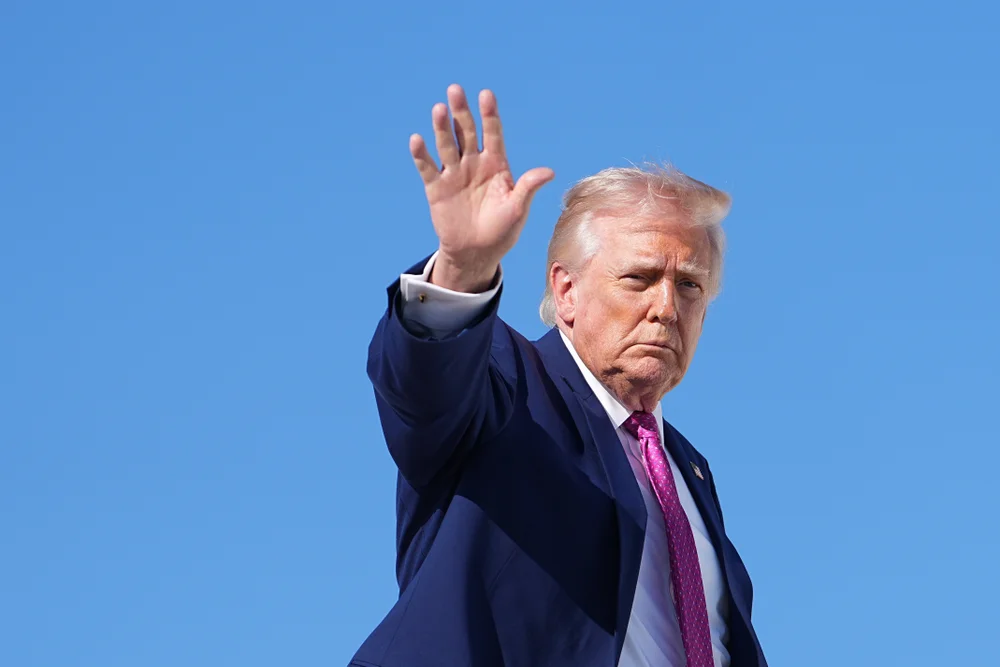
During an Easter lunch at the White House, President **Donald Trump** humorously addressed speculation surrounding Vice President **JD Vance**’s role in brokering a deal to end the conflict in **Iran**. “If it doesn’t happen, I’m blaming **JD Vance**,” Trump quipped, drawing laughter from senior administration officials. He then added, “if it does happen, I’m taking full credit.” These remarks perfectly encapsulate **Vance**’s current predicament as he leads a US delegation in talks with **Iran** in **Pakistan** – a challenging assignment with limited upside and significant risks if negotiations falter.
Navigating a Political Minefield
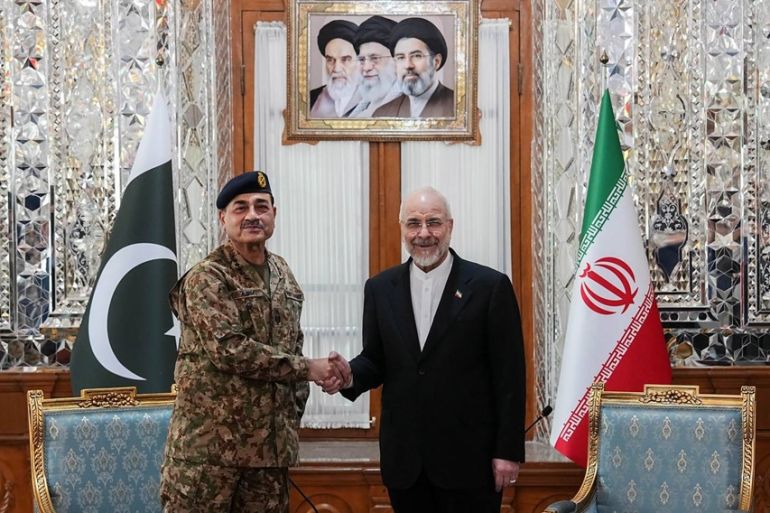
**Vance**’s diplomatic journey to **Islamabad** is a political minefield. To achieve a permanent agreement to end the war, he must satisfy numerous stakeholders with competing interests. These parties, including US allies, a weakened but resilient regime in **Tehran**, and an ally in **Israel**, harbor mutual distrust following a six-week military campaign that has engulfed the **Middle East** and roiled the global economy. A European official, speaking anonymously, emphasized that **Vance** “needs to step into the room and deliver something,” or risk being diminished.
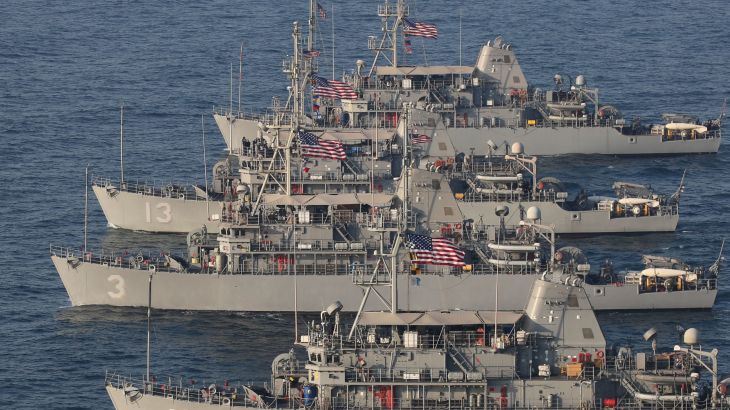
Any potential deal requires the support of **President Trump**, who has shown a tendency to vacillate between calls for peace and threats against **Iran**. It also needs the backing of **Tehran**, which has tightened control over the **Strait of Hormuz**, and **Israel**, wary of a region-wide ceasefire. European allies, who oppose the conflict and have been reluctant to aid in reopening the strait, also need to be convinced. Furthermore, **Vance** faces pressure to satisfy **Trump**’s “Make America Great Again” (MAGA) base, many of whom oppose foreign interventions and will scrutinize his trip for clues about his potential 2028 presidential bid.
A Demanding Boss and Conflicting Stances
A former Marine who served in Iraq, **Vance** has historically opposed US entanglements abroad. Reports suggest he privately expressed deep skepticism about launching strikes on **Iran**. **Jeff Rathke**, president of the American-German Institute, noted that **Vance**’s desire for restraint in American foreign policy is “pretty hard to square with the American war against **Iran**.”
The central question for **Vance** in **Islamabad** is whether he can appease all parties. Success could mean a fully-formed **peace deal** or merely productive initial talks that preserve the temporary **ceasefire**. A White House official confirmed that **Trump** tasked **Vance** with leading the negotiations, with spokeswoman Anna Kelly adding that **Vance** is collaborating with special envoy **Steve Witkoff** and the president’s son-in-law **Jared Kushner**, both accompanying him to **Pakistan**.
Before departing Washington, **Vance** tempered expectations, stating, “If the Iranians are willing to negotiate in good faith, we are certainly willing to extend an open hand.” He also cautioned **Iran** against “playing us” and mentioned **Trump** provided “pretty clear guidelines.” However, **Vance** and his team face the added challenge of representing **Trump**, a mercurial boss whose rationales for the conflict have varied since its launch in late February.
On Friday afternoon, when asked about his message to **Vance**, **Trump** simply said, “I wish him luck. He’s got a big thing.” He added that he was sending a “good team” and would “see how it all turns out.”
Trump’s Volatile Negotiating Style
**Trump**’s volatile negotiating style was evident in the lead-up to Tuesday’s **ceasefire** deal. Within 36 hours, **Trump** issued an ultimatum to **Iran**, warned on Truth Social that “a whole civilization will die” if **Iran** refused to cooperate, and then announced a **ceasefire** with less than two hours remaining before his escalation deadline. A second senior European diplomat described Tuesday’s tense hours as among the most nerve-wracking of **Trump**’s second term. The diplomat suggested that serving as **Trump**’s Vice President is difficult under normal circumstances, but especially so for **Vance** given his reservations about foreign conflicts. “**Vance** has tried to distance himself from the **Iran** campaign,” the source said, adding, “This war is absolutely not in his playbook.”
Ambassador for ‘America First’
Representing **Trump** in high-stakes negotiations is challenging, yet **Vance** has been preparing for this moment since taking office. He has earned **Trump**’s trust, gaining a seat at the table in high-profile meetings with foreign policy leaders globally. **Vance** made headlines with a speech at the Munich Security Conference, where he criticized Europe’s handling of immigration and free speech. He later accused Ukrainian President Volodymyr Zelensky of ingratitude for US aid during a contentious Oval Office meeting. This week, he traveled to Hungary to support the re-election bid of Prime Minister **Viktor Orbán**, a close **Trump** ally.
At every turn, **Vance** has positioned himself as a loyal lieutenant to **Trump**, serving as a sharp-elbowed ambassador for “**America First**.” **Mark Bednar**, who worked on the Trump-Vance transition team, described the Vice President as the “perfect surrogate” due to his “firm understanding of President **Trump**’s goals” and the trust he commands from the president.
However, **Vance** has not always agreed with the president. **Trump**’s foreign policy has sometimes placed **Vance** in the awkward position of publicly supporting interventions abroad that he previously argued against, with **Iran** being a prime example. As a US senator in 2023, **Vance** published an op-ed in The Wall Street Journal stating his support for **Trump** because he didn’t start foreign wars. On the eve of the **Iran** conflict, **Vance** told The Washington Post that **Trump** wouldn’t let the US be drawn into another “forever war” in the **Middle East**.
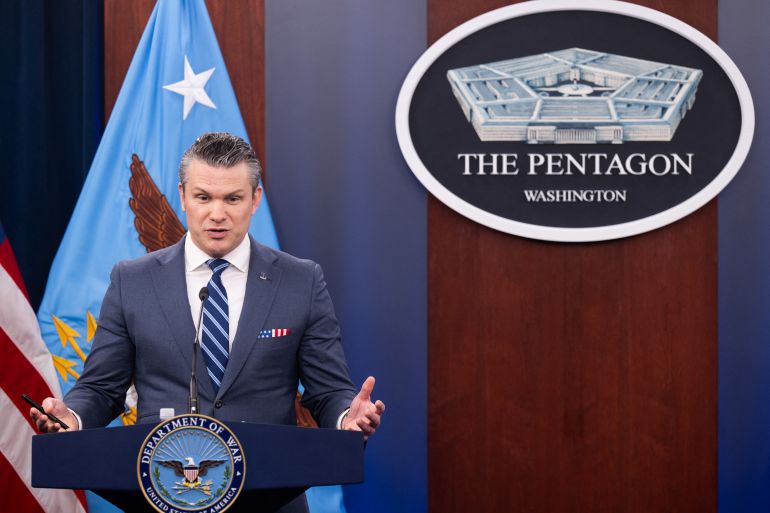
During the current conflict, **Vance** has publicly echoed **Trump**’s argument that war was necessary to prevent **Iran** from developing nuclear weapons. Yet, his support for the war effort has been less vocal than other administration officials, particularly Defence Secretary Pete Hegseth. **Vance**’s rhetoric has also occasionally diverged from **Trump**’s, as seen this week when he referred to the temporary **ceasefire** as a “fragile truce.” Despite these nuances, **Trump** chose **Vance** to lead the US delegation to **Islamabad**. This choice raised questions about whether **Trump** intentionally handed **Vance** a no-win assignment. While **Vance**’s office declined to comment, a US official, who requested anonymity, stated that **Vance** was chosen to signal to **Iran** the **Trump** administration’s seriousness about reaching a deal.
No Easy Fix
Regional US allies welcomed **Vance**’s inclusion, seeing it as a sign of the administration’s commitment to a durable peace. “It shows that America is seriously coming to the table,” said **Assaf Orion**, a retired Israeli brigadier general.
**Vance** will need to ignore domestic chatter to deliver in negotiations with **Iran**. His past confrontations with Zelensky and trips to Munich and Budapest showcased his ability to act as an “attack dog.” **Mark Bednar** noted that **Vance** would not shy away from being argumentative if he felt something was not going right for the United States. However, in **Pakistan**, he assumes a different diplomatic role, requiring him to navigate tense relations between adversaries in a volatile region. **Vance** and his team must also address complex issues like reopening the **Strait of Hormuz** and ending **Iran**’s **nuclear program**, which are highly technical and lack easy solutions.
**Vance** was not deeply involved in the indirect US-Iran talks preceding the **ceasefire**. Recent negotiations were led by **Witkoff** and **Kushner**, who also spearheaded other peace talks during **Trump**’s second term. The success of the talks will partly depend on who handles the technical aspects of **Iran**’s **nuclear program**, according to **Orion**. “**Kushner** and **Witkoff** did Ukraine, **Iran** and Gaza. I think it’s very challenging to be a detailed expert in all three issues at the same time,” **Orion** commented, questioning who else is on the team in **Islamabad**.
Nevertheless, **Vance** will command the most attention. He cannot rely on a deep well of personal relationships with foreign leaders, being only 41 and relatively new to the national political stage and international relations. **Trump** has thrown him into the deep end, and **Vance** is now under pressure to deliver a victory for the president without damaging his own political future. “He’s not negotiating **JD Vance**’s agreement with the Iranians. He’s there in **Islamabad** to try to get the best deal the president can agree to,” said **Rathke**. He warned of risks for the Vice President if **Trump** later loses enthusiasm for an agreed deal and tries to blame the negotiator.
#JDVance #IranNegotiations #MiddleEastPeace #USDiplomacy #TrumpAdministration #ForeignPolicy #IslamabadTalks #Geopolitics #StraitOfHormuz #NuclearProgram

Leave a Reply