

Anticipation of a Major Breakthrough
Pakistani officials are anticipating a “major breakthrough” in discussions between Iran and the United States regarding Tehran’s nuclear program, sources have informed Al Jazeera. This comes as Islamabad intensifies its diplomatic efforts to conclude a conflict that has claimed thousands of lives.
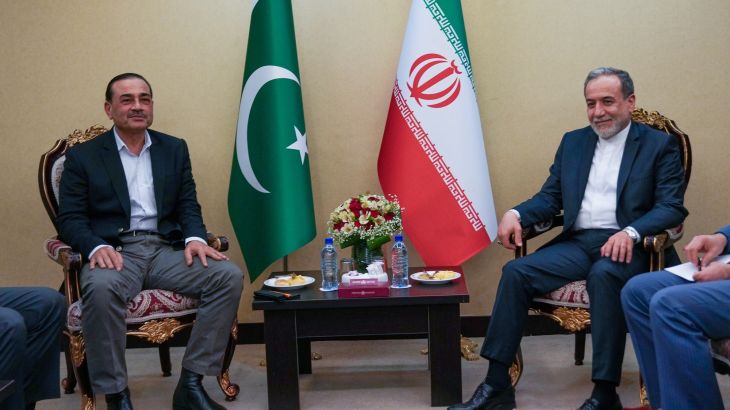
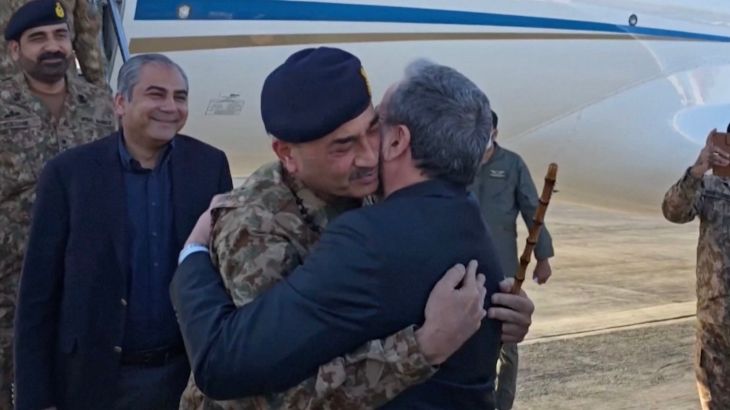
This optimism emerged on Wednesday as a high-level Pakistani delegation, led by Army Chief Asim Munir, arrived in Tehran. Their mission, according to Iran’s Press TV, was to deliver a message from the US to the Iranian leadership.
He was received by Iran’s Foreign Minister Abbas Araghchi, who expressed gratitude for Pakistan’s “gracious hosting of dialogue.” Press TV also reported that Munir is working to prepare for a second round of talks between the US and Iran.
Osama Bin Javaid of Al Jazeera, who has been covering the US-Iran discussions, noted that Pakistani officials anticipate “a major breakthrough on the nuclear front,” with delegates continuously relaying messages between Washington and Tehran.
The primary point of contention remains the duration of any enrichment freeze by Iran and the nation’s stockpile of 440 kilograms of highly enriched uranium.
“We know that both sides are essentially stuck between five years of no enrichment and 20 years of no enrichment. There is a solution in the middle,” Bin Javaid stated.
“There’s also discussion about what Iran will do with the 440kg of nuclear-enriched material it possesses. Multiple options are being considered, including sending it abroad to a third party or reducing it to either natural uranium or up to 3 percent enrichment,” he explained.
“According to these sources, significant progress has been made, and they anticipate Pakistan will be able to convince Tehran,” he added.
Shuttle Diplomacy Efforts
Pakistan’s shuttle diplomacy follows weekend talks between the US and Iran in Islamabad that concluded without a war-ending agreement. Mediators are pushing for a compromise on three key issues: Iran’s nuclear program, control of the Strait of Hormuz (which Tehran has effectively closed, leading to a surge in global oil prices), and compensation for wartime damages.
The conflict, initiated by the US and Israel on February 28, has resulted in over 3,000 deaths in Iran and prompted retaliatory attacks by Tehran on Gulf countries. It has also reignited a conflict between Israel and Hezbollah in Lebanon, where Israeli forces have killed more than 2,000 people since March 2.
A ceasefire between Tehran and Washington on April 8 has paused attacks in Iran and the Gulf, but Israeli forces’ strikes on Lebanon have persisted.
Regional Diplomatic Tour
Separately on Wednesday, Pakistan’s Prime Minister Shehbaz Sharif embarked on a regional tour, including stops in Saudi Arabia, Qatar, and Turkiye. Al Jazeera’s Bin Javaid described Sharif’s tour as part of a “double-pronged strategy.”
“While the Iranians are engaging with the Pakistani military chief, the Pakistani prime minister and foreign minister are holding discussions with the Saudis and Qataris. The following day, they will proceed to Turkiye,” he stated, with the objective of neutralizing any detractors to a deal.
Bin Javaid identified these detractors as including elements within Tehran, Washington, DC, and most notably, Israel, “which does not desire a peace deal and seeks perpetual conflict in the region.”
Optimistic Outlook from US President
The diplomatic push seems strengthened by optimistic remarks from US President Donald Trump, who stated late on Tuesday that the world should prepare for an “amazing two days” and that the war on Iran is “very close to over.”
White House Press Secretary Karoline Leavitt later indicated that further negotiations would likely take place in Islamabad, describing the Pakistan-mediated discussions as “productive and ongoing.”
“We feel good about the prospects of a deal,” she commented on Wednesday.
In Tehran, Iran’s Ministry of Foreign Affairs confirmed that communications with the US have persisted since the conclusion of talks in Islamabad. Spokesman Esmaeil Baghaei stated that “several messages have been exchanged through Pakistan” and that Iranian “positions have been expressed in those exchanges.”
Lingering Tensions
Tensions, however, persist.
A US Navy blockade on Iranian ports, which commenced after the talks concluded, remains in effect in the Strait of Hormuz. The US Central Command reported turning back nine vessels as of Wednesday.
Iran’s military has condemned the blockade as a violation of the April 8 ceasefire. Separately, Iran’s Fars News Agency reported that a sanctioned Iranian supertanker had traversed the Strait of Hormuz despite the blockade, though it provided no additional details.
Ali Abdollahi, commander of Iran’s joint military command, has also threatened to halt regional trade if the US does not lift its blockade. He warned that Iran would retaliate by blocking trade routes through the Red Sea, the Gulf, and the Sea of Oman.
#USIranTalks #PakistanMediation #NuclearProgram #StraitOfHormuz #Diplomacy #MiddleEastPeace #IranNuclearDeal #RegionalSecurity #Ceasefire #InternationalRelations
Leave a Reply