

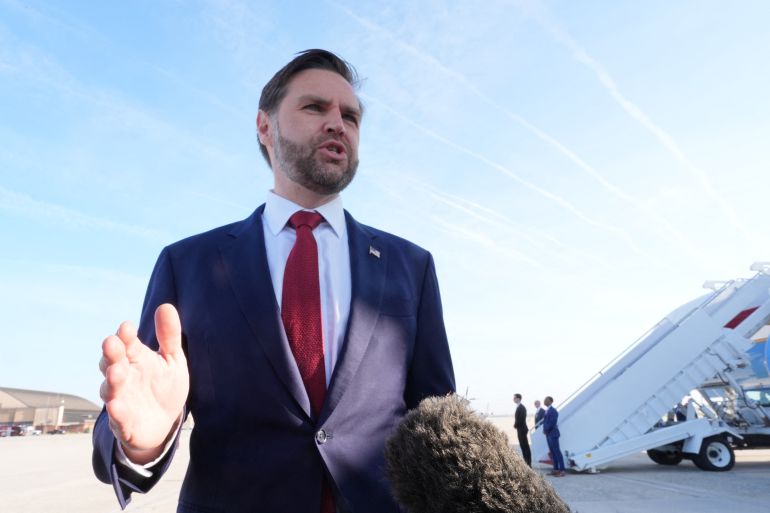
United States Vice President JD Vance has departed for Pakistan, where he will engage in crucial talks aimed at de-escalating the ongoing US-Israeli conflict with Iran. Vance expressed optimism, stating he expects “positive” outcomes from the negotiations.
Speaking briefly to reporters on Friday as he boarded his flight to Islamabad, Vance remarked, “We’re looking forward to the negotiation. I think it’s going to be positive. We’ll, of course, see.” He also indicated that President Donald Trump had provided him with **“pretty clear guidelines”** for the upcoming meeting.
“If the Iranians are willing to negotiate in good faith, we are certainly willing to extend an open hand,” Vance affirmed. However, he also cautioned, “If they’re going to try to play us, they’re going to find that the negotiating team is not that receptive.”
Significance of Vance’s Role
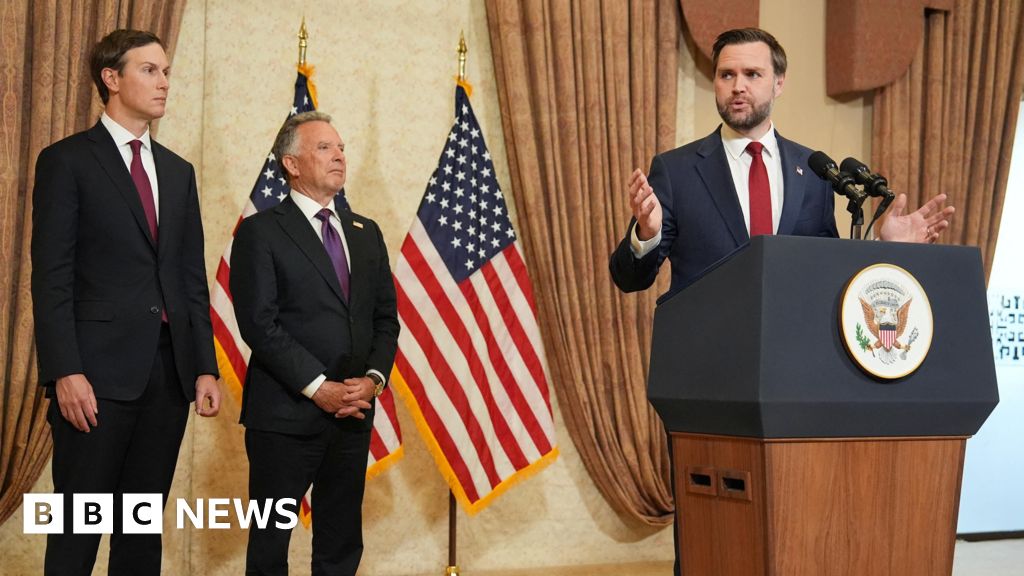
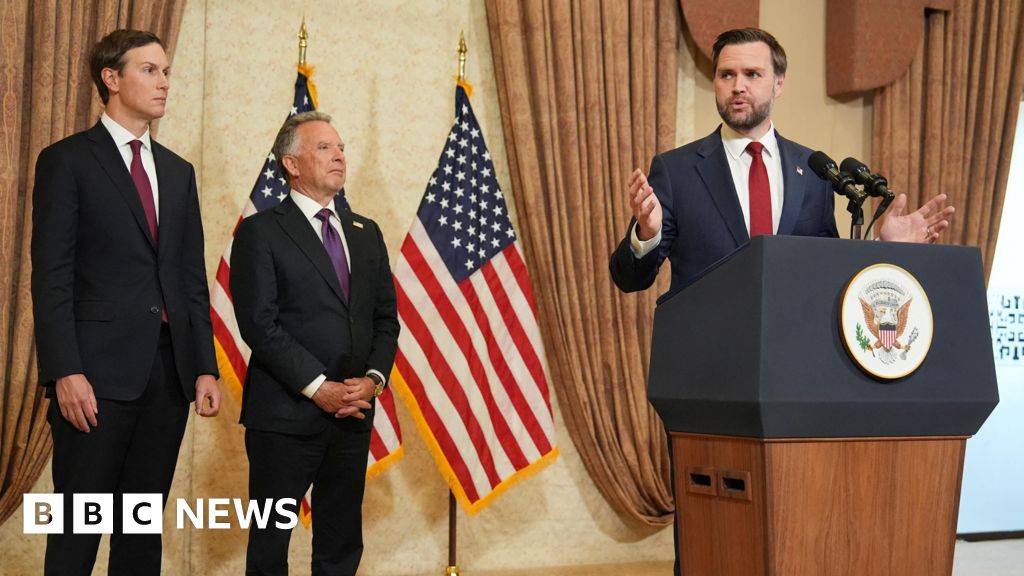
Some observers view the last-minute decision to have Vance lead the US delegation as a significant move, possibly reflecting Iran’s preference for dealing with him over other envoys such as US Special Envoy Steve Witkoff and Trump’s son-in-law Jared Kushner. Both Witkoff and Kushner, who had previously led indirect negotiations on Iran’s nuclear program, are still expected to attend Saturday’s talks.
The current conflict follows a 12-day war initiated by Israel against Iran in June 2025, which concluded with US strikes on three key Iranian nuclear sites. The latest escalation between the US, Israel, and Iran began on February 28.
Vance, a former US Marine Corps member during the 2003 Iraq war, is known for his loyalty to President Trump but is also perceived as less hawkish than many other senior administration officials. He represents the anti-interventionist faction within Trump’s “Make America Great Again” (MAGA) movement.
Al Jazeera correspondent Mike Hanna reported from Washington, DC, that Vance’s selection is “interesting” given his limited prior role, suggesting it might be due to **“the Iranians had expressed their preference for dealing with Vance.”**
Iranian Delegation and Negotiation Format
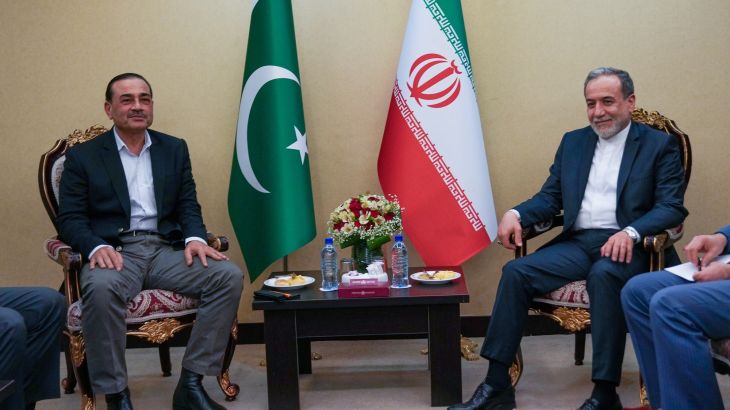
The Iranian delegation is expected to be led by Parliament Speaker Mohammad Bagher Ghalibaf and Foreign Minister Abbas Araghchi. It remains unclear whether any representative from Iran’s Islamic Revolutionary Guard Corps (IRGC) will participate. The format of the negotiations—whether US and Iranian officials will meet face-to-face or through intermediaries—had not been disclosed as of Friday.
From Threats to Talks: An Extraordinary Week
Saturday’s talks will conclude an extraordinary week marked by intense rhetoric. President Trump had previously threatened strikes on Iran’s civilian infrastructure, including power plants and bridges, if his terms were not met—threats that international law experts suggested could constitute war crimes. On Tuesday, hours before a temporary ceasefire was announced, Trump escalated his warnings, stating that a **“whole civilization will die tonight”** if a deal was not reached.
While the ceasefire has largely held, both sides have offered conflicting accounts of the agreed-upon terms. The Trump administration claimed it accepted a 10-point plan from Iran, but maintained it differed from a previous proposal it had rejected. Key issues, including control over the Strait of Hormuz, the future of Iran’s nuclear program, and the status of Israel’s operations in Lebanon, lack clarity. Both the US and Israel assert that pausing operations in Lebanon was not part of the initial ceasefire, contradicting claims from Iran and Pakistan.
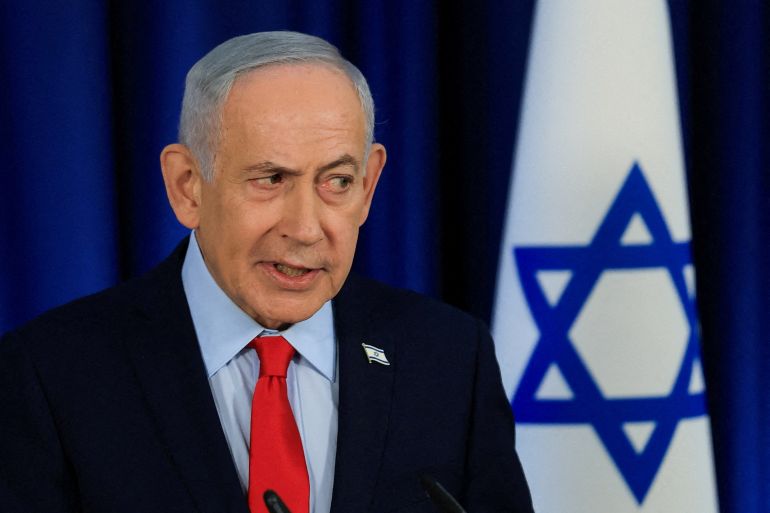
However, in a phone interview on Thursday, Trump reportedly told Israeli Prime Minister Benjamin Netanyahu to keep operations in Lebanon more **“low key”** to avoid jeopardizing the talks in Pakistan. On Friday, Trump reiterated his threats in an interview with the New York Post, stating the US was **“loading up the ships with the best ammunition, the best weapons ever made”** should the negotiations fail.
Meanwhile, Iranian Parliament Speaker Ghalibaf expressed skepticism about the negotiations proceeding, stating on X (formerly Twitter) that two conditions of the initial agreement—a ceasefire in Lebanon and the release of Iran’s blocked assets—had not yet been fulfilled. **“These two matters must be fulfilled before negotiations begin,”** he wrote.
Deep-Seated Mistrust and the Path Forward
Iran’s Deputy Foreign Minister for Political Affairs, Majid Takht Ravanchi, welcomed the Pakistan dialogue but expressed wariness that it could be a deception covering renewed escalation. He emphasized Iran’s desire for an agreement with guarantees against future attacks.
According to Ali Vaez, Iran project manager at the International Crisis Group, the two sides appear **“miles apart, and there’s tremendous amounts of mistrust”** even before the meeting. Vaez noted, “I would argue that they’re beginning from a negative starting point now, because of their recent experience of the Trump administration bombing them twice in the middle of negotiations in the past year.”
Despite the deep mistrust, Vaez believes that all other options—sanctions, economic, and military coercion—have led to a “lose-lose scenario.” He suggested that if both sides are practical, they will realize that **“it is so much better and less costly … to do concessions at the negotiating table.”**
Al Jazeera correspondent Osama Bin Javaid, reporting from Islamabad, cited sources indicating that **“some ground progress is already being made”** ahead of the main negotiators’ arrival. However, it remains uncertain whether the US and Iran will resume talks from their February discussions on Iran’s nuclear program in Oman and Switzerland, or if negotiations will start from scratch given the recent developments.
#USIranTalks #PakistanDiplomacy #JDVance #MiddleEastPeace #CeasefireNegotiations #TrumpAdministration #IranNuclearDeal #Geopolitics #InternationalRelations #CrisisResolution
Leave a Reply